

Give the Gift of Choice!
Too many options? Treat your friends and family to their favourite stores with a Bayshore Shopping Centre gift card, redeemable at participating retailers throughout the centre. Click below to purchase yours today!Purchase HereHome
Architecture, Empire, and Trade: The United Africa Company
Coles
Loading Inventory...
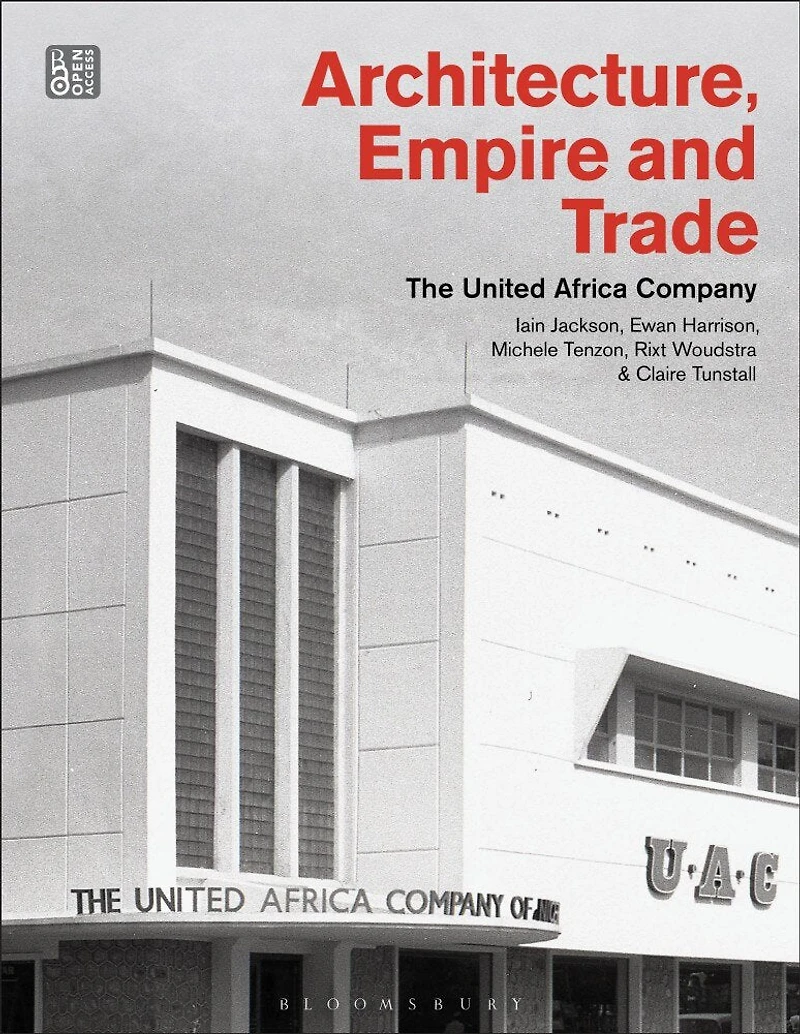
Architecture, Empire, and Trade: The United Africa Company in Ottawa, ON
Current price: $51.50

Architecture, Empire, and Trade: The United Africa Company in Ottawa, ON
Current price: $51.50
Loading Inventory...
Size: Paperback
*Product information may vary - to confirm product availability, pricing, shipping and return information please contact Coles
This open access book tells a new and untold history of the architecture of West Africa in the colonial era, as revealed for the first time through the archives of the United Africa Company (UAC). From the imperial Royal Niger Company's charter in the 1890s through to its suave African department stores of the 1960s, the UAC - a British company firmly embedded in the economies of colonialism, extraction, and exploitation - became the largest commercial firm in West Africa, involved in almost every commercial enterprise and sector, and responsible for procuring architecture, infrastructure, and city real-estate across a vast region. Based on unprecedented access to the UAC archives, this book pieces together a new architectural history of West Africa from the high colonial period through to independence. It reproduces an extraordinary array of newly-uncovered material - from photographs of streetscapes, buildings, and West African everyday life to civic reports and city plans - and presents these alongside critical and theoretical discussions to reveal an alternative account of the architecture of the region which stands in contrast to more conventional state-focused histories. The book explores technological, aesthetic, and political shifts through an architectural lens, and brings to the fore an awareness of the violence and appropriation which underlie each architectural episode, showing how the UAC, as a case-study, presents a unique opportunity to investigate how architecture manifests power, culture, and identity in colonial and post-colonial contexts. The ebook editions of this book are available open access under a CC BY-NC-ND 4.0 licence on bloomsburycollections.com. Open access was funded by the University of Liverpool.
This open access book tells a new and untold history of the architecture of West Africa in the colonial era, as revealed for the first time through the archives of the United Africa Company (UAC). From the imperial Royal Niger Company's charter in the 1890s through to its suave African department stores of the 1960s, the UAC - a British company firmly embedded in the economies of colonialism, extraction, and exploitation - became the largest commercial firm in West Africa, involved in almost every commercial enterprise and sector, and responsible for procuring architecture, infrastructure, and city real-estate across a vast region. Based on unprecedented access to the UAC archives, this book pieces together a new architectural history of West Africa from the high colonial period through to independence. It reproduces an extraordinary array of newly-uncovered material - from photographs of streetscapes, buildings, and West African everyday life to civic reports and city plans - and presents these alongside critical and theoretical discussions to reveal an alternative account of the architecture of the region which stands in contrast to more conventional state-focused histories. The book explores technological, aesthetic, and political shifts through an architectural lens, and brings to the fore an awareness of the violence and appropriation which underlie each architectural episode, showing how the UAC, as a case-study, presents a unique opportunity to investigate how architecture manifests power, culture, and identity in colonial and post-colonial contexts. The ebook editions of this book are available open access under a CC BY-NC-ND 4.0 licence on bloomsburycollections.com. Open access was funded by the University of Liverpool.
You May Also Like













More About Coles at Bayshore Shopping Centre
Coles is renowned for its outstanding customer service and great selection of books. Along with the vast array of magazines, stationary, audio-books, children's literature, fiction, non-fiction and reference books, you can find accessories to make your reading experience more pleasurable. We can recommend the very best in reading today. We will help you search our titles for exactly what you need, and if we do not have it in stock, we will order it for you.
100 Bayshore Dr, Nepean, ON K2B 8C1, Canada
Find Coles at Bayshore Shopping Centre in Ottawa, ON
Visit Coles at Bayshore Shopping Centre in Ottawa, ON