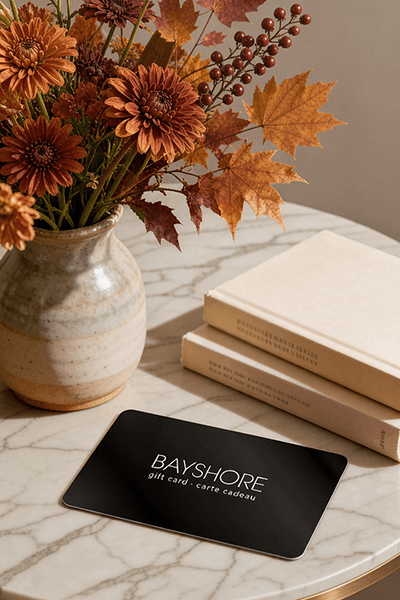
Too many options? Treat your friends and family to their favourite stores with a Bayshore Shopping Centre gift card, redeemable at participating retailers throughout the centre. Click below to purchase yours today!Purchase Here
Coles Archival Anxiety Documentary and Mockumentary Horror at Bayshore Shopping Centre in Ottawa, ON
*Product information may vary - to confirm product availability, pricing, shipping and return information please contact Coles
This study concerns a the dark, sensorial epistemologies emerging from intersections of documentary and horror cinema. From the ineffable subjects of horror documentaries and pseudo-documentaries, to the obsessive chroniclers of mockumentary horror cinema, the films examined here express generalized millennial and 21st-century archival anxiety around an unsettled and unsettling hypermediated reality. Part I focuses on gothumentaries, nonfiction works evoking the Gothic’s unreadable subjects and undetected realities. Case studies show key documentary films such as Capturing the Friedmans, Cropsey, and The Hellstrom Chronicle bringing Gothic-horror tropes and conventions to bear upon documentary subject matter to produce skepticism of American environmental, social, and national stability from the 1970s onward. Part II explores mockumentary, fake found-footage, and screen life horror cinema that turns to strategies of documentary and factual discourse to express an archival anxiety around human interaction with recording technologies. Case studies of pivotal films such as The Blair Witch Project, Diary of the Dead, Lake Mungo, Unfriended, Sickhouse, and We Are All Going to the World’s Fair turn to Gothic reflexivity as a way of expressing the subject’s relationship to, and experience of, a modernity that overwhelms in terms of its immensity, speed, and recordability.
This study concerns a the dark, sensorial epistemologies emerging from intersections of documentary and horror cinema. From the ineffable subjects of horror documentaries and pseudo-documentaries, to the obsessive chroniclers of mockumentary horror cinema, the films examined here express generalized millennial and 21st-century archival anxiety around an unsettled and unsettling hypermediated reality. Part I focuses on gothumentaries, nonfiction works evoking the Gothic’s unreadable subjects and undetected realities. Case studies show key documentary films such as Capturing the Friedmans, Cropsey, and The Hellstrom Chronicle bringing Gothic-horror tropes and conventions to bear upon documentary subject matter to produce skepticism of American environmental, social, and national stability from the 1970s onward. Part II explores mockumentary, fake found-footage, and screen life horror cinema that turns to strategies of documentary and factual discourse to express an archival anxiety around human interaction with recording technologies. Case studies of pivotal films such as The Blair Witch Project, Diary of the Dead, Lake Mungo, Unfriended, Sickhouse, and We Are All Going to the World’s Fair turn to Gothic reflexivity as a way of expressing the subject’s relationship to, and experience of, a modernity that overwhelms in terms of its immensity, speed, and recordability.
Coles is renowned for its outstanding customer service and great selection of books. Along with the vast array of magazines, stationary, audio-books, children's literature, fiction, non-fiction and reference books, you can find accessories to make your reading experience more pleasurable. We can recommend the very best in reading today. We will help you search our titles for exactly what you need, and if we do not have it in stock, we will order it for you.