

Give the Gift of Choice!
Too many options? Treat your friends and family to their favourite stores with a Bayshore Shopping Centre gift card, redeemable at participating retailers throughout the centre. Click below to purchase yours today!Purchase HereHome
Armagh
Coles
Loading Inventory...
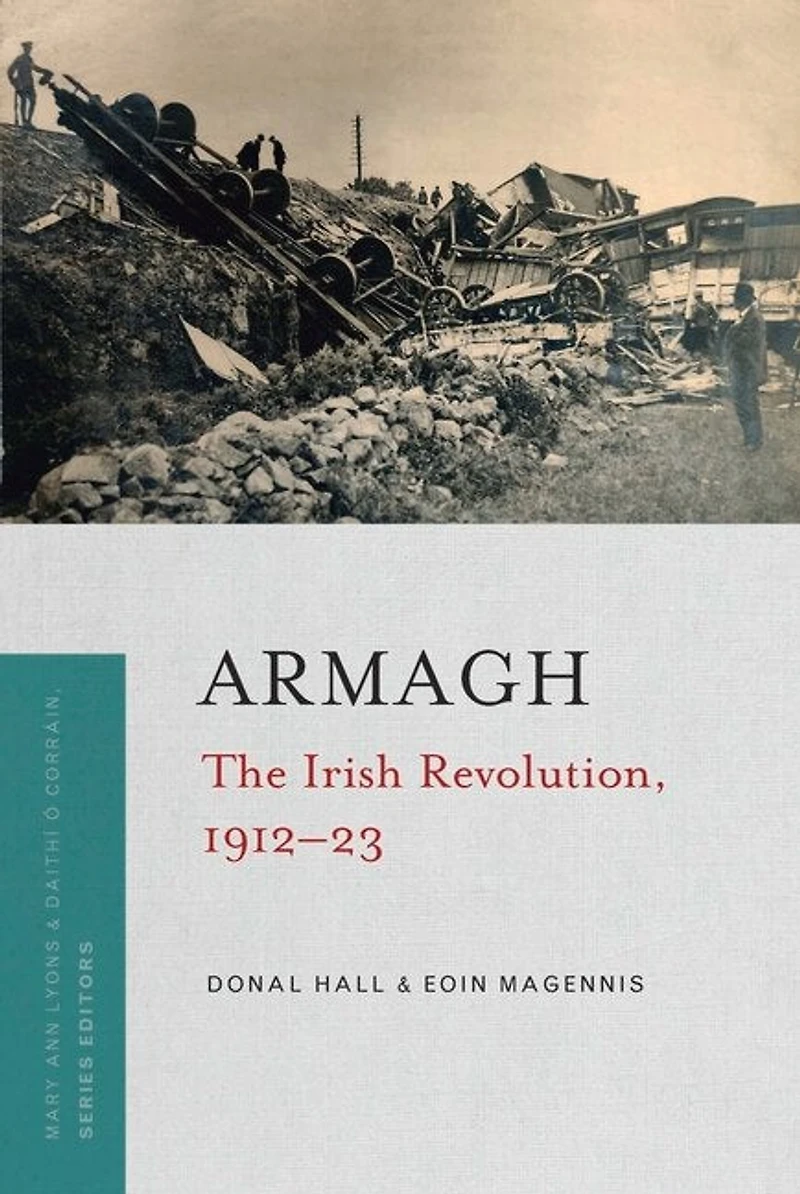
Armagh in Ottawa, ON
Current price: $47.00

Armagh in Ottawa, ON
Current price: $47.00
Loading Inventory...
Size: Paperback
*Product information may vary - to confirm product availability, pricing, shipping and return information please contact Coles
County Armagh was one of the most controversial theatres of political and military conflict during the 1912– 23 period. The county’ s long-standing antipathy between unionism and nationalism intensified during the third home rule crisis of 1912– 14. To the alarm of nationalists, unionists mobilized politically and militarily to oppose home rule and demanded a partitioned Ireland to preserve their hegemony in Ulster. The political changes brought about by the First World War and the 1916 Rising were less apparent in Armagh, and during the War of Independence the IRA struggled to gain the upper hand in a hostile landscape dominated by resilient Crown forces. While the conflict took on a sectarian hue and civilian casualties exceeded those of combatants, unionists grew increasingly secure under the new Northern Ireland government. The IRA was largely forced from Armagh by 1922 and many volunteers were interned by the governments on both sides of the new border. After the Boundary Commission debacle of 1925, Armagh nationalists remained under the jurisdiction of an unsympathetic Northern Ireland government that they did not identify with. Using both official and private archives, this study offers new perspectives on the continuities, changes and wider social and economic dynamics which shaped County Armagh during a tumultuous decade.
County Armagh was one of the most controversial theatres of political and military conflict during the 1912– 23 period. The county’ s long-standing antipathy between unionism and nationalism intensified during the third home rule crisis of 1912– 14. To the alarm of nationalists, unionists mobilized politically and militarily to oppose home rule and demanded a partitioned Ireland to preserve their hegemony in Ulster. The political changes brought about by the First World War and the 1916 Rising were less apparent in Armagh, and during the War of Independence the IRA struggled to gain the upper hand in a hostile landscape dominated by resilient Crown forces. While the conflict took on a sectarian hue and civilian casualties exceeded those of combatants, unionists grew increasingly secure under the new Northern Ireland government. The IRA was largely forced from Armagh by 1922 and many volunteers were interned by the governments on both sides of the new border. After the Boundary Commission debacle of 1925, Armagh nationalists remained under the jurisdiction of an unsympathetic Northern Ireland government that they did not identify with. Using both official and private archives, this study offers new perspectives on the continuities, changes and wider social and economic dynamics which shaped County Armagh during a tumultuous decade.
You May Also Like










More About Coles at Bayshore Shopping Centre
Coles is renowned for its outstanding customer service and great selection of books. Along with the vast array of magazines, stationary, audio-books, children's literature, fiction, non-fiction and reference books, you can find accessories to make your reading experience more pleasurable. We can recommend the very best in reading today. We will help you search our titles for exactly what you need, and if we do not have it in stock, we will order it for you.
100 Bayshore Dr, Nepean, ON K2B 8C1, Canada
Find Coles at Bayshore Shopping Centre in Ottawa, ON
Visit Coles at Bayshore Shopping Centre in Ottawa, ON