

Give the Gift of Choice!
Too many options? Treat your friends and family to their favourite stores with a Bayshore Shopping Centre gift card, redeemable at participating retailers throughout the centre. Click below to purchase yours today!Purchase HereHome
Armies Afloat: How the Development of Amphibious Operations Europe Helped Win World War II
Coles
Loading Inventory...
Armies Afloat: How the Development of Amphibious Operations Europe Helped Win World War II in Ottawa, ON
Current price: $60.95

Armies Afloat: How the Development of Amphibious Operations Europe Helped Win World War II in Ottawa, ON
Current price: $60.95
Loading Inventory...
Size: Hardcover
*Product information may vary - to confirm product availability, pricing, shipping and return information please contact Coles
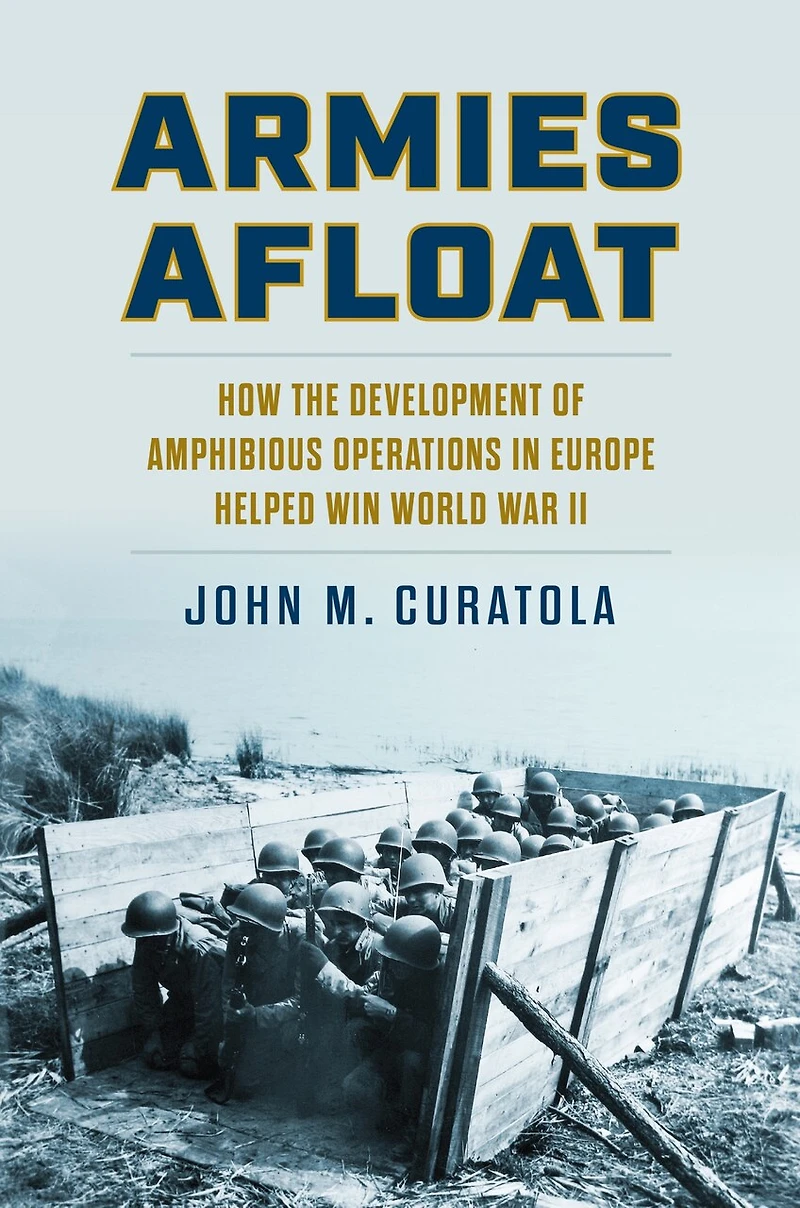
How the US services prepared for the largest amphibious operation in history. American forces storming the beaches of Normandy on D-Day, June 6, 1944, is one of the most famous moments in US military history. But behind this iconic assault is the long-overlooked history of learning and innovation. Significantly, the amphibious forces taken ashore that day were overwhelmingly army soldiers, with sailors and airmen in support. Before the army could launch such an endeavor, however, it had to learn how to conduct amphibious operations against a contested shore. Creating this capability required a concerted, deliberate effort. Involving an extensive joint endeavor of air, naval, and ground forces, amphibious assault strategy developed over the course of four years. In Armies Afloat , John Curatola leads readers through US Army’s amphibious development and capabilities by examining six components: command relationships, ship-to-shore movement, naval surface fire support, air support, beachhead establishment, and logistics and communication. The men, material, processes, and coordination involved in developing such a large-scale amphibious capability was something truly new in warfare. Through a constant process of assessment and review, US forces adjusted methodologies at all levels of war and successfully outpaced—and ultimately defeated—the European Axis powers.
How the US services prepared for the largest amphibious operation in history. American forces storming the beaches of Normandy on D-Day, June 6, 1944, is one of the most famous moments in US military history. But behind this iconic assault is the long-overlooked history of learning and innovation. Significantly, the amphibious forces taken ashore that day were overwhelmingly army soldiers, with sailors and airmen in support. Before the army could launch such an endeavor, however, it had to learn how to conduct amphibious operations against a contested shore. Creating this capability required a concerted, deliberate effort. Involving an extensive joint endeavor of air, naval, and ground forces, amphibious assault strategy developed over the course of four years. In Armies Afloat , John Curatola leads readers through US Army’s amphibious development and capabilities by examining six components: command relationships, ship-to-shore movement, naval surface fire support, air support, beachhead establishment, and logistics and communication. The men, material, processes, and coordination involved in developing such a large-scale amphibious capability was something truly new in warfare. Through a constant process of assessment and review, US forces adjusted methodologies at all levels of war and successfully outpaced—and ultimately defeated—the European Axis powers.
You May Also Like










More About Coles at Bayshore Shopping Centre
Coles is renowned for its outstanding customer service and great selection of books. Along with the vast array of magazines, stationary, audio-books, children's literature, fiction, non-fiction and reference books, you can find accessories to make your reading experience more pleasurable. We can recommend the very best in reading today. We will help you search our titles for exactly what you need, and if we do not have it in stock, we will order it for you.
100 Bayshore Dr, Nepean, ON K2B 8C1, Canada
Find Coles at Bayshore Shopping Centre in Ottawa, ON
Visit Coles at Bayshore Shopping Centre in Ottawa, ON