

Give the Gift of Choice!
Too many options? Treat your friends and family to their favourite stores with a Bayshore Shopping Centre gift card, redeemable at participating retailers throughout the centre. Click below to purchase yours today!Purchase HereHome
Arminius and the Reformed Tradition: Grace Doctrine of Salvation
Coles
Loading Inventory...
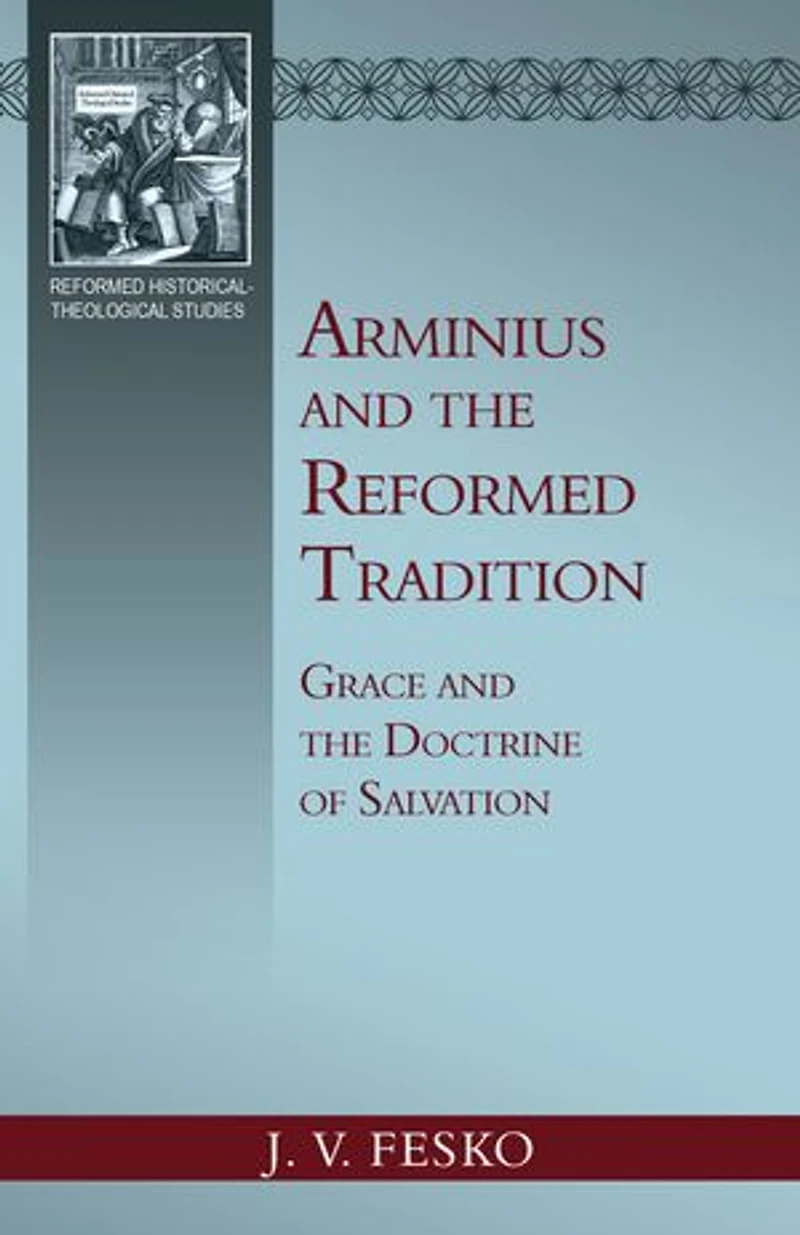
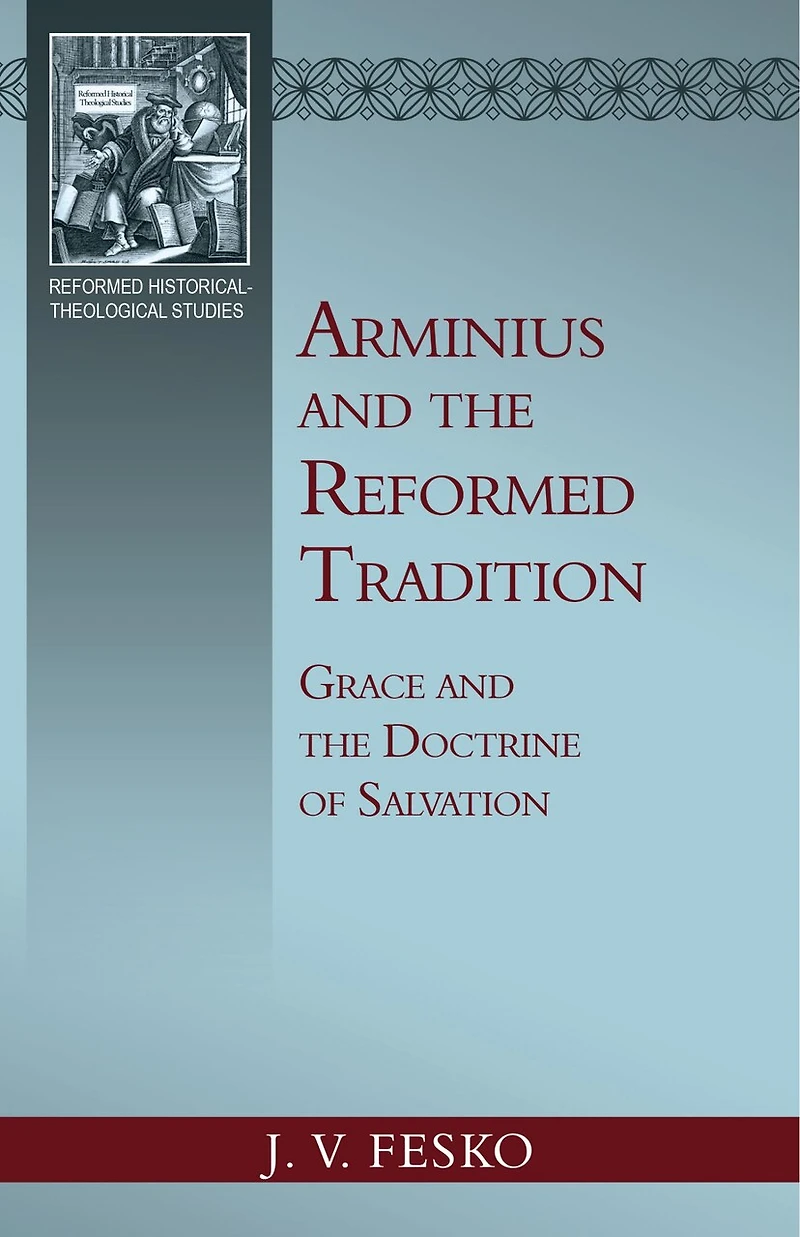
Arminius and the Reformed Tradition: Grace Doctrine of Salvation in Ottawa, ON
Current price: $27.19
Original price: $33.93

Arminius and the Reformed Tradition: Grace Doctrine of Salvation in Ottawa, ON
Current price: $27.19
Original price: $33.93
Loading Inventory...
Size: Kobo eBook
*Product information may vary - to confirm product availability, pricing, shipping and return information please contact Coles
Some scholars argue that Jacob Arminius was a Reformed theologian and held to the basic tenets of Reformed soteriology. But is this the best way to understand Arminius? In this perceptive set of essays, J. V. Fesko reassesses the context and meaning of Arminius’s writings on topics such as predestination, effectual calling, union with Christ, justification, and perseverance. Granting that Arminius ministered within the Reformed church and held many theological points of continuity with Reformed orthodoxy, Fesko demonstrates that Arminius’s understanding of salvation differed significantly enough from confessional norms to conclude that he presented an alternative Protestant conception of soteriology. To view his soteriology as anything less is an effort to rewrite history and even to disrespect Arminius’s work.
Some scholars argue that Jacob Arminius was a Reformed theologian and held to the basic tenets of Reformed soteriology. But is this the best way to understand Arminius? In this perceptive set of essays, J. V. Fesko reassesses the context and meaning of Arminius’s writings on topics such as predestination, effectual calling, union with Christ, justification, and perseverance. Granting that Arminius ministered within the Reformed church and held many theological points of continuity with Reformed orthodoxy, Fesko demonstrates that Arminius’s understanding of salvation differed significantly enough from confessional norms to conclude that he presented an alternative Protestant conception of soteriology. To view his soteriology as anything less is an effort to rewrite history and even to disrespect Arminius’s work.
You May Also Like










More About Coles at Bayshore Shopping Centre
Coles is renowned for its outstanding customer service and great selection of books. Along with the vast array of magazines, stationary, audio-books, children's literature, fiction, non-fiction and reference books, you can find accessories to make your reading experience more pleasurable. We can recommend the very best in reading today. We will help you search our titles for exactly what you need, and if we do not have it in stock, we will order it for you.
100 Bayshore Dr, Nepean, ON K2B 8C1, Canada
Find Coles at Bayshore Shopping Centre in Ottawa, ON
Visit Coles at Bayshore Shopping Centre in Ottawa, ON