

Give the Gift of Choice!
Too many options? Treat your friends and family to their favourite stores with a Bayshore Shopping Centre gift card, redeemable at participating retailers throughout the centre. Click below to purchase yours today!Purchase HereHome
Arsenic and Estrogen Toxicity and Neuroprotection in Rat Neurons
Coles
Loading Inventory...
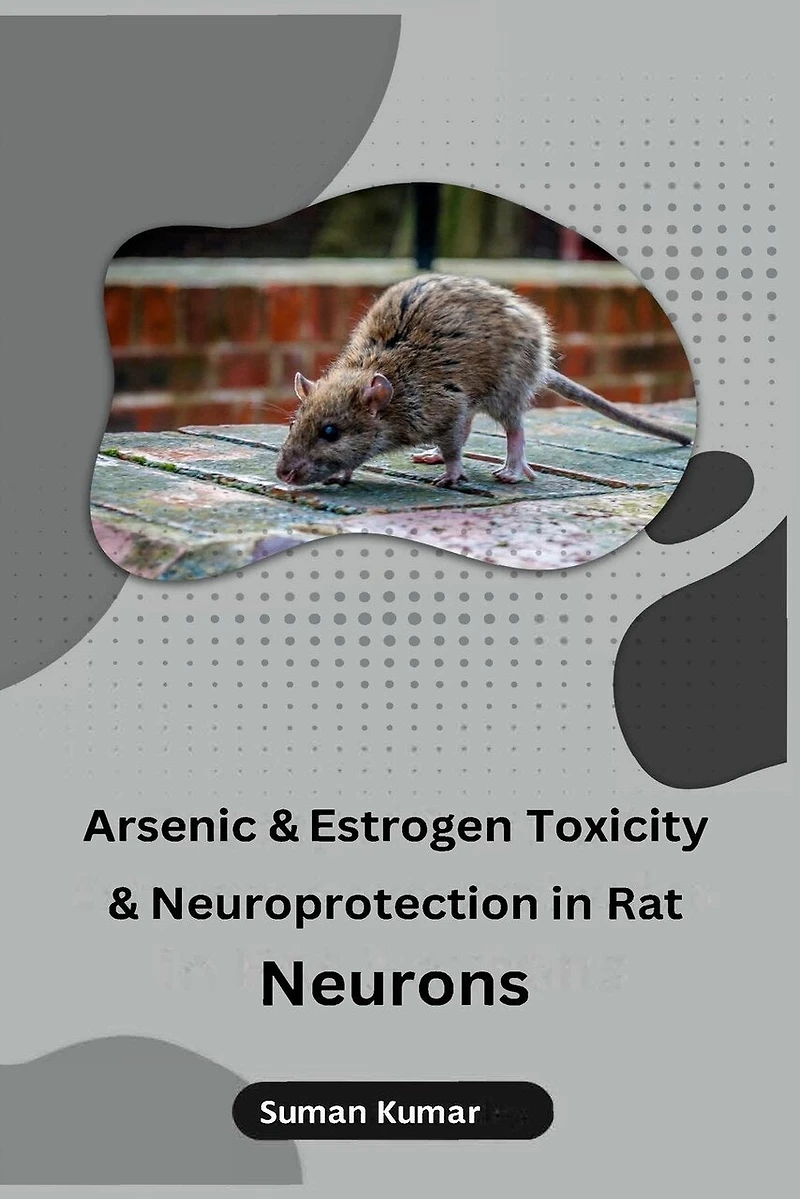
Arsenic and Estrogen Toxicity and Neuroprotection in Rat Neurons in Ottawa, ON
Current price: $37.99

Arsenic and Estrogen Toxicity and Neuroprotection in Rat Neurons in Ottawa, ON
Current price: $37.99
Loading Inventory...
Size: Paperback
*Product information may vary - to confirm product availability, pricing, shipping and return information please contact Coles
The study of arsenic toxicity and estrogen neuroprotection is an important area of research in the field of neuroscience. Rukmani Pandey, a leading expert in this field, has conducted extensive research on the impact of arsenic exposure on hippocampal neurons in adult rats and the potential protective role of estrogen. Arsenic is a toxic metalloid that is found in the environment and can cause a range of health problems. Exposure to arsenic can lead to neurotoxicity, oxidative stress, apoptosis, and neurodegeneration. Hippocampal neurons, which are critical for learning and memory, are particularly vulnerable to the toxic effects of arsenic. Estrogen, a hormone that plays a key role in the neuroendocrine system, has been shown to have neuroprotective effects in the brain. It can protect against neuronal damage caused by toxicants, heavy metals, and other environmental toxins. Estrogen acts through its receptors and through estrogenic compounds, such as those found in hormone therapy and some neurohormones. The study of arsenic toxicity and estrogen neuroprotection involves investigating the mechanisms of neurotoxicity and neuroprotection pathways. This includes cellular signaling, neural signaling, synaptic plasticity, and neuronal survival. Understanding these mechanisms is critical for developing effective neuroprotective agents and treatments for neurodegenerative diseases. Rukmani Pandey's research has shed light on the complex interplay between arsenic toxicity and estrogen neuroprotection. Her work has important implications for understanding the impact of chemical exposure and pollutants on brain function and cognitive impairment, particularly in aging and menopause. Overall, the study of arsenic toxicity and estrogen neuroprotection is a rapidly evolving field that has the potential to improve our understanding of neurobiology, neurochemistry, neuroscience, neurophysiology, and neuropharmacology.
The study of arsenic toxicity and estrogen neuroprotection is an important area of research in the field of neuroscience. Rukmani Pandey, a leading expert in this field, has conducted extensive research on the impact of arsenic exposure on hippocampal neurons in adult rats and the potential protective role of estrogen. Arsenic is a toxic metalloid that is found in the environment and can cause a range of health problems. Exposure to arsenic can lead to neurotoxicity, oxidative stress, apoptosis, and neurodegeneration. Hippocampal neurons, which are critical for learning and memory, are particularly vulnerable to the toxic effects of arsenic. Estrogen, a hormone that plays a key role in the neuroendocrine system, has been shown to have neuroprotective effects in the brain. It can protect against neuronal damage caused by toxicants, heavy metals, and other environmental toxins. Estrogen acts through its receptors and through estrogenic compounds, such as those found in hormone therapy and some neurohormones. The study of arsenic toxicity and estrogen neuroprotection involves investigating the mechanisms of neurotoxicity and neuroprotection pathways. This includes cellular signaling, neural signaling, synaptic plasticity, and neuronal survival. Understanding these mechanisms is critical for developing effective neuroprotective agents and treatments for neurodegenerative diseases. Rukmani Pandey's research has shed light on the complex interplay between arsenic toxicity and estrogen neuroprotection. Her work has important implications for understanding the impact of chemical exposure and pollutants on brain function and cognitive impairment, particularly in aging and menopause. Overall, the study of arsenic toxicity and estrogen neuroprotection is a rapidly evolving field that has the potential to improve our understanding of neurobiology, neurochemistry, neuroscience, neurophysiology, and neuropharmacology.
You May Also Like
















More About Coles at Bayshore Shopping Centre
Coles is renowned for its outstanding customer service and great selection of books. Along with the vast array of magazines, stationary, audio-books, children's literature, fiction, non-fiction and reference books, you can find accessories to make your reading experience more pleasurable. We can recommend the very best in reading today. We will help you search our titles for exactly what you need, and if we do not have it in stock, we will order it for you.
100 Bayshore Dr, Nepean, ON K2B 8C1, Canada
Find Coles at Bayshore Shopping Centre in Ottawa, ON
Visit Coles at Bayshore Shopping Centre in Ottawa, ON