

Give the Gift of Choice!
Too many options? Treat your friends and family to their favourite stores with a Bayshore Shopping Centre gift card, redeemable at participating retailers throughout the centre. Click below to purchase yours today!Purchase HereHome
Art as Information Ecology: Artworks, Artworlds, and Complex Systems Aesthetics
Coles
Loading Inventory...
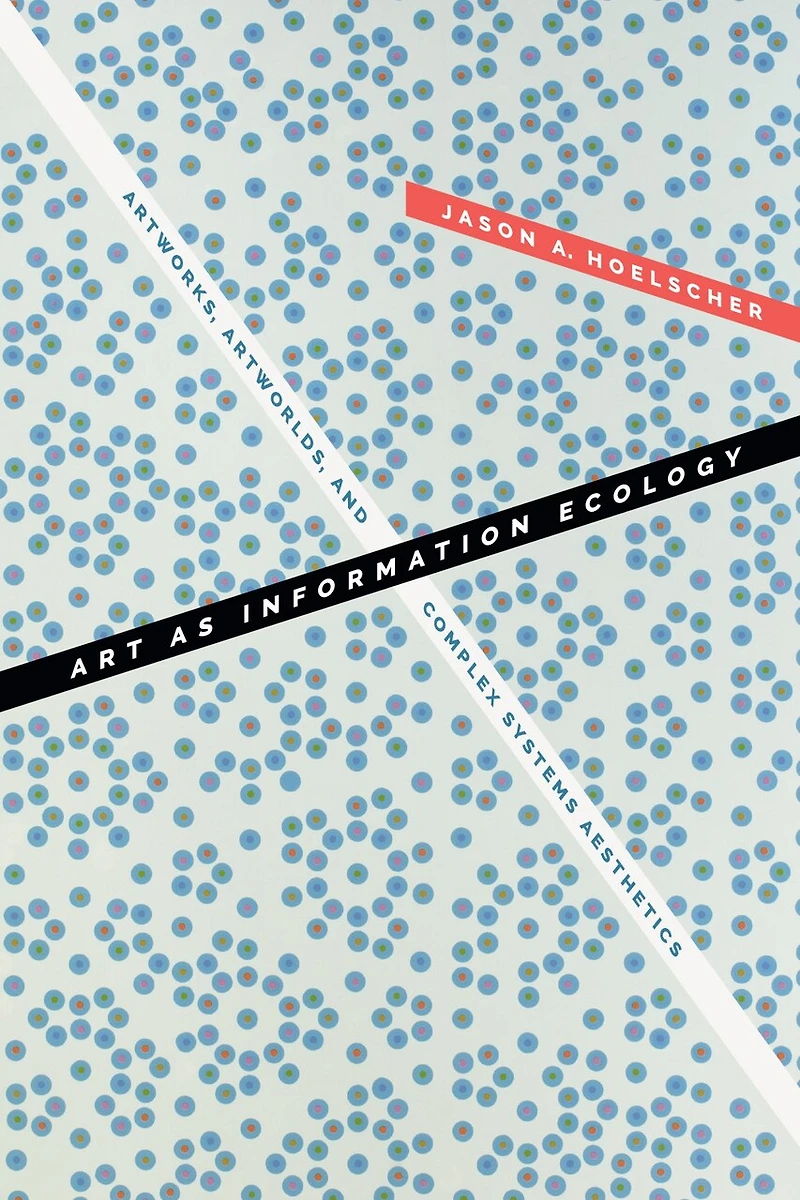
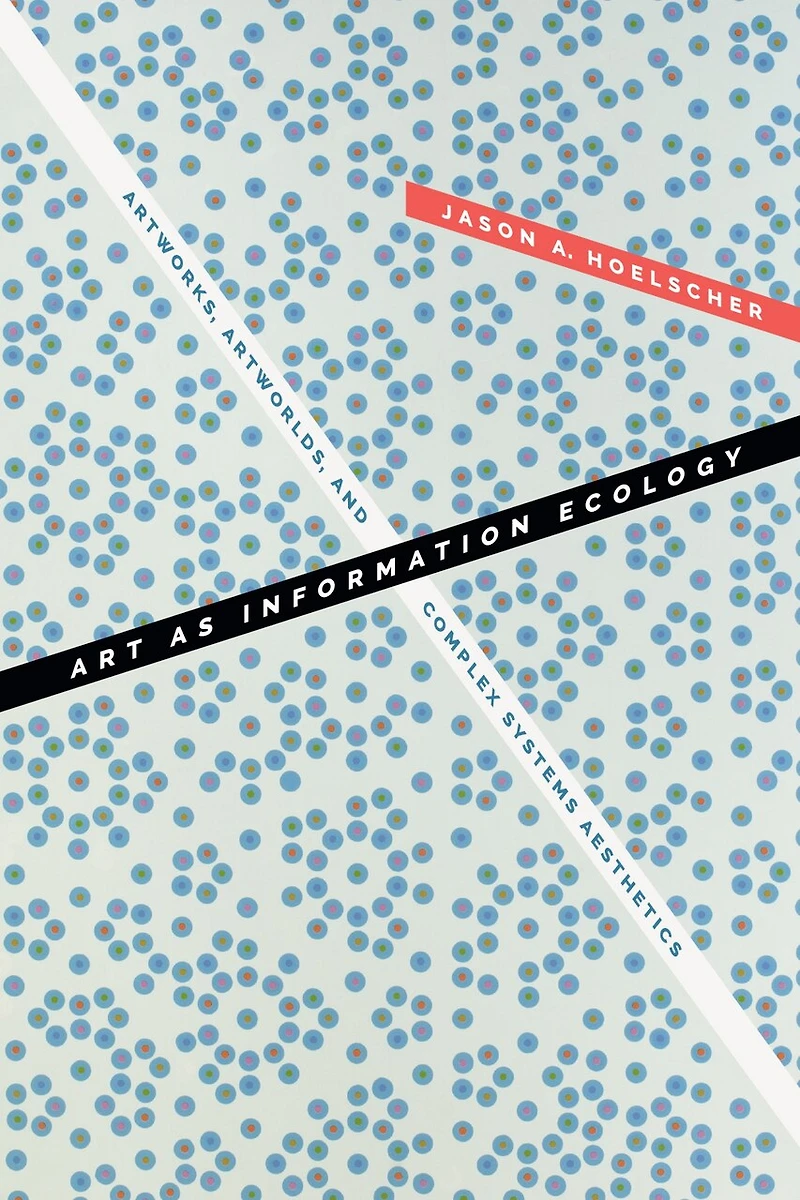
Art as Information Ecology: Artworks, Artworlds, and Complex Systems Aesthetics in Ottawa, ON
Current price: $133.95

Art as Information Ecology: Artworks, Artworlds, and Complex Systems Aesthetics in Ottawa, ON
Current price: $133.95
Loading Inventory...
Size: Hardcover
*Product information may vary - to confirm product availability, pricing, shipping and return information please contact Coles
In Art as Information Ecology , Jason A. Hoelscher offers not only an information theory of art but an aesthetic theory of information. Applying close readings of the information theories of Claude Shannon and Gilbert Simondon to 1960s American art, Hoelscher proposes that art is information in its aesthetic or indeterminate mode-information oriented less toward answers and resolvability than toward questions, irresolvability, and sustained difference. These irresolvable differences, Hoelscher demonstrates, fuel the richness of aesthetic experience by which viewers glean new information and insight from each encounter with an artwork. In this way, art constitutes information that remains in formation---a difference that makes a difference that keeps on differencing. Considering the works of Frank Stella, Robert Morris, Adrian Piper, the Drop City commune, Eva Hesse, and others, Hoelscher finds that art exists within an information ecology of complex feedback between artwork and artworld that is driven by the unfolding of difference. By charting how information in its aesthetic mode can exist beyond today's strictly quantifiable and monetizable forms, Hoelscher reconceives our understanding of how artworks work and how information operates.
In Art as Information Ecology , Jason A. Hoelscher offers not only an information theory of art but an aesthetic theory of information. Applying close readings of the information theories of Claude Shannon and Gilbert Simondon to 1960s American art, Hoelscher proposes that art is information in its aesthetic or indeterminate mode-information oriented less toward answers and resolvability than toward questions, irresolvability, and sustained difference. These irresolvable differences, Hoelscher demonstrates, fuel the richness of aesthetic experience by which viewers glean new information and insight from each encounter with an artwork. In this way, art constitutes information that remains in formation---a difference that makes a difference that keeps on differencing. Considering the works of Frank Stella, Robert Morris, Adrian Piper, the Drop City commune, Eva Hesse, and others, Hoelscher finds that art exists within an information ecology of complex feedback between artwork and artworld that is driven by the unfolding of difference. By charting how information in its aesthetic mode can exist beyond today's strictly quantifiable and monetizable forms, Hoelscher reconceives our understanding of how artworks work and how information operates.
You May Also Like











More About Coles at Bayshore Shopping Centre
Coles is renowned for its outstanding customer service and great selection of books. Along with the vast array of magazines, stationary, audio-books, children's literature, fiction, non-fiction and reference books, you can find accessories to make your reading experience more pleasurable. We can recommend the very best in reading today. We will help you search our titles for exactly what you need, and if we do not have it in stock, we will order it for you.
100 Bayshore Dr, Nepean, ON K2B 8C1, Canada
Find Coles at Bayshore Shopping Centre in Ottawa, ON
Visit Coles at Bayshore Shopping Centre in Ottawa, ON