

Give the Gift of Choice!
Too many options? Treat your friends and family to their favourite stores with a Bayshore Shopping Centre gift card, redeemable at participating retailers throughout the centre. Click below to purchase yours today!Purchase HereHome
Art, Knowledge, and Papal Politics in Medieval Rome: Interpreting the Aula Gotica Fresco Cycle at Santi Quattro Coronati
Coles
Loading Inventory...
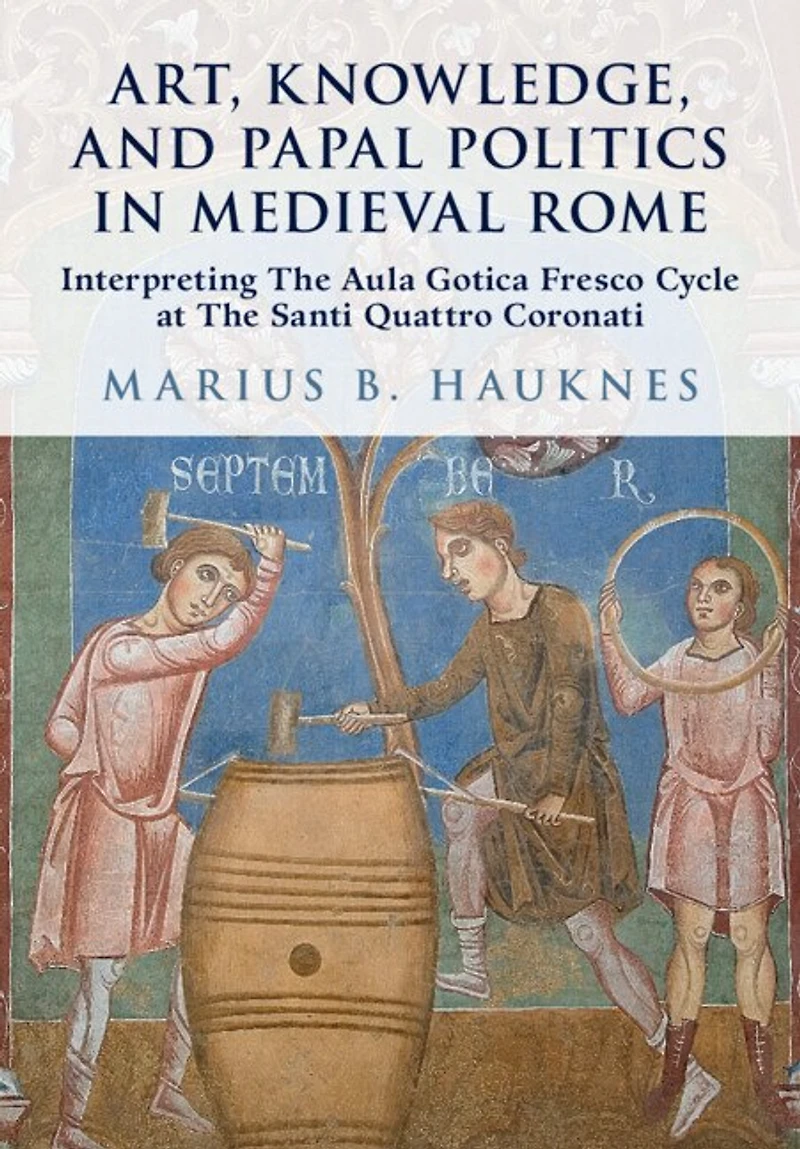
Art, Knowledge, and Papal Politics in Medieval Rome: Interpreting the Aula Gotica Fresco Cycle at Santi Quattro Coronati in Ottawa, ON
Current price: $154.95

Art, Knowledge, and Papal Politics in Medieval Rome: Interpreting the Aula Gotica Fresco Cycle at Santi Quattro Coronati in Ottawa, ON
Current price: $154.95
Loading Inventory...
Size: Hardcover
*Product information may vary - to confirm product availability, pricing, shipping and return information please contact Coles
Discovered in 1995, the remarkable thirteenth-century frescoes in the great hall, or Aula Gotica, of Rome's Santi Quattro Coronati complex are among the most important vestiges of medieval Italian painting. In this volume, Marius Hauknes offers a thorough investigation of the fresco cycle, which includes allegorical representations of the liberal arts, the virtues and vices, the seasons, the signs of the zodiac, and the months of the year. Hauknes relates these subjects to the papacy's growing interest in fields of worldly knowledge, such as music, time, astrology, and medicine. He argues that the Santi Quattro Coronati frescoes function as a large-scale, interactive encyclopedia that not only represented secular knowledge but also produced philosophical speculation, stimulating beholders to draw connections between pictorial motifs across architectural space. Integrating medieval intellectual history with close attention to multi-sensory and architectural conditions of fresco Hauknes' study offers new insights into religion, art, science, and spectatorship in medieval Italy.
Discovered in 1995, the remarkable thirteenth-century frescoes in the great hall, or Aula Gotica, of Rome's Santi Quattro Coronati complex are among the most important vestiges of medieval Italian painting. In this volume, Marius Hauknes offers a thorough investigation of the fresco cycle, which includes allegorical representations of the liberal arts, the virtues and vices, the seasons, the signs of the zodiac, and the months of the year. Hauknes relates these subjects to the papacy's growing interest in fields of worldly knowledge, such as music, time, astrology, and medicine. He argues that the Santi Quattro Coronati frescoes function as a large-scale, interactive encyclopedia that not only represented secular knowledge but also produced philosophical speculation, stimulating beholders to draw connections between pictorial motifs across architectural space. Integrating medieval intellectual history with close attention to multi-sensory and architectural conditions of fresco Hauknes' study offers new insights into religion, art, science, and spectatorship in medieval Italy.
You May Also Like












More About Coles at Bayshore Shopping Centre
Coles is renowned for its outstanding customer service and great selection of books. Along with the vast array of magazines, stationary, audio-books, children's literature, fiction, non-fiction and reference books, you can find accessories to make your reading experience more pleasurable. We can recommend the very best in reading today. We will help you search our titles for exactly what you need, and if we do not have it in stock, we will order it for you.
100 Bayshore Dr, Nepean, ON K2B 8C1, Canada
Find Coles at Bayshore Shopping Centre in Ottawa, ON
Visit Coles at Bayshore Shopping Centre in Ottawa, ON