

Give the Gift of Choice!
Too many options? Treat your friends and family to their favourite stores with a Bayshore Shopping Centre gift card, redeemable at participating retailers throughout the centre. Click below to purchase yours today!Purchase HereHome
Artery: Racial Ecologies on Colombia's Magdalena River
Coles
Loading Inventory...
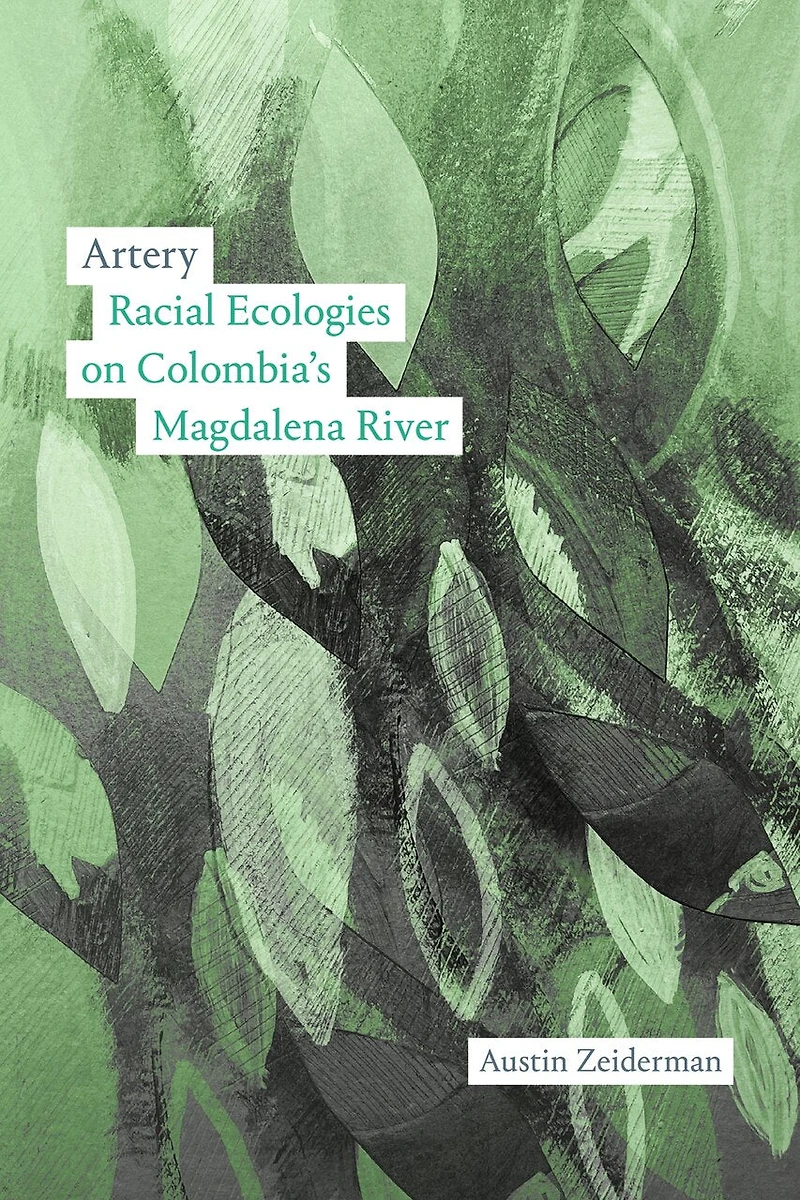
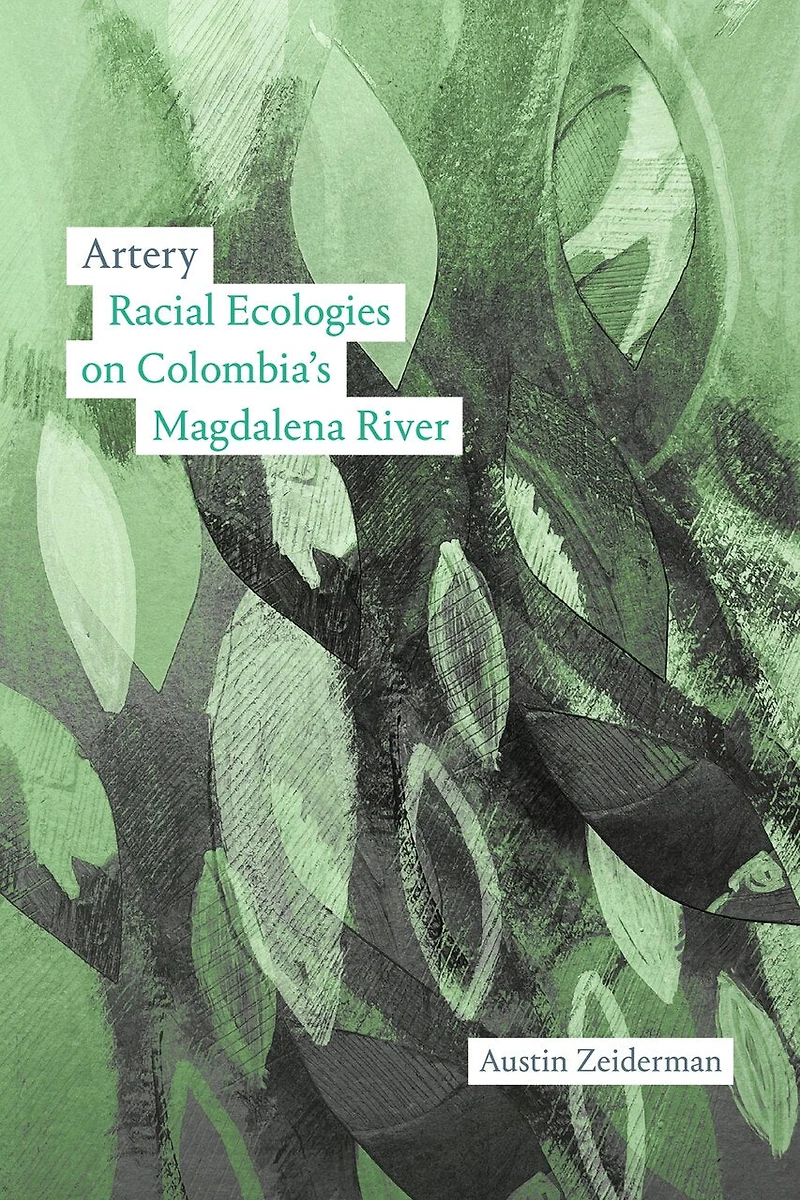
Artery: Racial Ecologies on Colombia's Magdalena River in Ottawa, ON
Current price: $136.95

Artery: Racial Ecologies on Colombia's Magdalena River in Ottawa, ON
Current price: $136.95
Loading Inventory...
Size: Hardcover
*Product information may vary - to confirm product availability, pricing, shipping and return information please contact Coles
The Magdalena River, linking Colombia's Andean interior and Caribbean coast, has long served as a conduit for the expansion of colonial and racial capitalism in the Americas. Now a state-backed megaproject seeks to transform the waterway into a logistics corridor. In Artery , Austin Zeiderman relates the Magdalena's fraught past and uncertain future to global entanglements of race, nature, and capital. Refusing disciplinary parochialism, Zeiderman engages with debates across the social sciences and humanities to examine how racial orders shape ecologies and infrastructures, thereby upholding exploitative relations not only among human populations, but also between people and the planet. Alert to ethnographic specificity and broad relevance, Zeiderman positions the Magdalena River within regimes of extractivism and inequality that continue to afflict the modern world.
The Magdalena River, linking Colombia's Andean interior and Caribbean coast, has long served as a conduit for the expansion of colonial and racial capitalism in the Americas. Now a state-backed megaproject seeks to transform the waterway into a logistics corridor. In Artery , Austin Zeiderman relates the Magdalena's fraught past and uncertain future to global entanglements of race, nature, and capital. Refusing disciplinary parochialism, Zeiderman engages with debates across the social sciences and humanities to examine how racial orders shape ecologies and infrastructures, thereby upholding exploitative relations not only among human populations, but also between people and the planet. Alert to ethnographic specificity and broad relevance, Zeiderman positions the Magdalena River within regimes of extractivism and inequality that continue to afflict the modern world.
You May Also Like







More About Coles at Bayshore Shopping Centre
Coles is renowned for its outstanding customer service and great selection of books. Along with the vast array of magazines, stationary, audio-books, children's literature, fiction, non-fiction and reference books, you can find accessories to make your reading experience more pleasurable. We can recommend the very best in reading today. We will help you search our titles for exactly what you need, and if we do not have it in stock, we will order it for you.
100 Bayshore Dr, Nepean, ON K2B 8C1, Canada
Find Coles at Bayshore Shopping Centre in Ottawa, ON
Visit Coles at Bayshore Shopping Centre in Ottawa, ON