

Give the Gift of Choice!
Too many options? Treat your friends and family to their favourite stores with a Bayshore Shopping Centre gift card, redeemable at participating retailers throughout the centre. Click below to purchase yours today!Purchase HereHome
Arthur Nikisch: Connecting Cultures in a Fragmenting World
Coles
Loading Inventory...
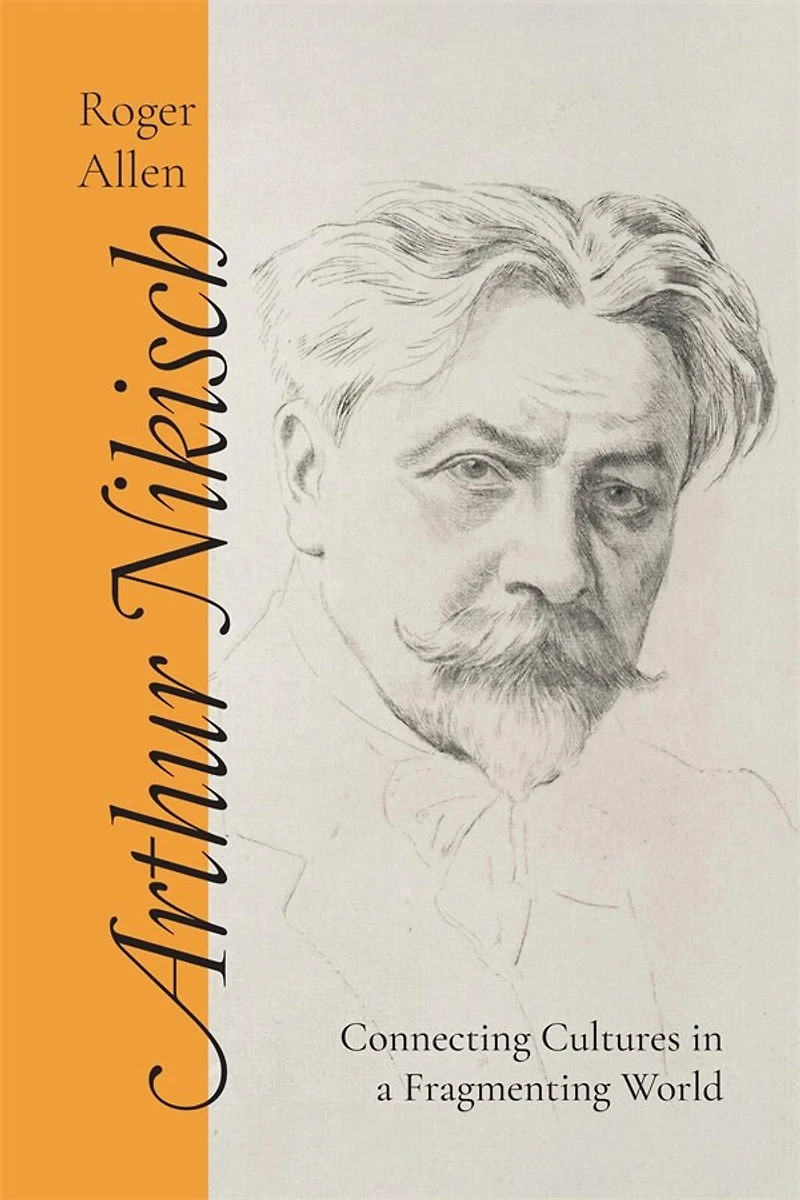
Arthur Nikisch: Connecting Cultures in a Fragmenting World in Ottawa, ON
Current price: $157.20

Arthur Nikisch: Connecting Cultures in a Fragmenting World in Ottawa, ON
Current price: $157.20
Loading Inventory...
Size: Hardcover
*Product information may vary - to confirm product availability, pricing, shipping and return information please contact Coles
Considers Nikisch as a primary link between the later nineteenth century performance practice, and the twentieth-century 'fetishisation' of the superstar conductor as a commercially driven phenomenon.
The Hungarian-born conductor Arthur Nikisch (1855-1922) was among the first of the new breed of virtuoso conductors who came to prominence in the immediate aftermath of Wagner. As a youthful violinist in the Vienna Court Orchestra, he played under Wagner, Verdi and Brahms; in 1895 he reached the pinnacle of German musical life as Chief Conductor of the Leipzig Gewandhaus and Berlin Philharmonic Orchestras. His career was, however, by no means confined to Austro-German lands. He spent four seasons in the USA as Director of the Boston Symphony Orchestra and travelled regularly to conduct in Imperial Russia. His visits to Britain had a significant impact on London's concert life through his associations with the newly opened Queen's Hall, the fledgling London Symphony Orchestra, Covent Garden Opera House and even as piano accompanist at the Bechstein (later Wigmore) Hall. He was also a fervent champion of the music of non-Austro German composers such as the Russian Pyotr Ilyich Tchaikovsky and the Englishman Edward Elgar.
This book considers Nikisch's role and influence as a leading musical executant within the declining Habsburg monarchy and the ascendant German Empire. It also examines how the newly established phenomenon of the virtuoso conductor reached across international boundaries at a time when hardening ideologies and shifting political allegiances were leading towards the disintegration of the old Europe in the carnage of the First World War. It considers Nikisch as a primary link between the later nineteenth century performance practice and aesthetics of Wagner and the twentieth century phenomenon of the all-powerful superstar conductor who came to surpass even the composer in importance.
Considers Nikisch as a primary link between the later nineteenth century performance practice, and the twentieth-century 'fetishisation' of the superstar conductor as a commercially driven phenomenon.
The Hungarian-born conductor Arthur Nikisch (1855-1922) was among the first of the new breed of virtuoso conductors who came to prominence in the immediate aftermath of Wagner. As a youthful violinist in the Vienna Court Orchestra, he played under Wagner, Verdi and Brahms; in 1895 he reached the pinnacle of German musical life as Chief Conductor of the Leipzig Gewandhaus and Berlin Philharmonic Orchestras. His career was, however, by no means confined to Austro-German lands. He spent four seasons in the USA as Director of the Boston Symphony Orchestra and travelled regularly to conduct in Imperial Russia. His visits to Britain had a significant impact on London's concert life through his associations with the newly opened Queen's Hall, the fledgling London Symphony Orchestra, Covent Garden Opera House and even as piano accompanist at the Bechstein (later Wigmore) Hall. He was also a fervent champion of the music of non-Austro German composers such as the Russian Pyotr Ilyich Tchaikovsky and the Englishman Edward Elgar.
This book considers Nikisch's role and influence as a leading musical executant within the declining Habsburg monarchy and the ascendant German Empire. It also examines how the newly established phenomenon of the virtuoso conductor reached across international boundaries at a time when hardening ideologies and shifting political allegiances were leading towards the disintegration of the old Europe in the carnage of the First World War. It considers Nikisch as a primary link between the later nineteenth century performance practice and aesthetics of Wagner and the twentieth century phenomenon of the all-powerful superstar conductor who came to surpass even the composer in importance.
You May Also Like















More About Coles at Bayshore Shopping Centre
Coles is renowned for its outstanding customer service and great selection of books. Along with the vast array of magazines, stationary, audio-books, children's literature, fiction, non-fiction and reference books, you can find accessories to make your reading experience more pleasurable. We can recommend the very best in reading today. We will help you search our titles for exactly what you need, and if we do not have it in stock, we will order it for you.
100 Bayshore Dr, Nepean, ON K2B 8C1, Canada
Find Coles at Bayshore Shopping Centre in Ottawa, ON
Visit Coles at Bayshore Shopping Centre in Ottawa, ON