

Give the Gift of Choice!
Too many options? Treat your friends and family to their favourite stores with a Bayshore Shopping Centre gift card, redeemable at participating retailers throughout the centre. Click below to purchase yours today!Purchase HereHome
Artificial Life After Frankenstein
Coles
Loading Inventory...
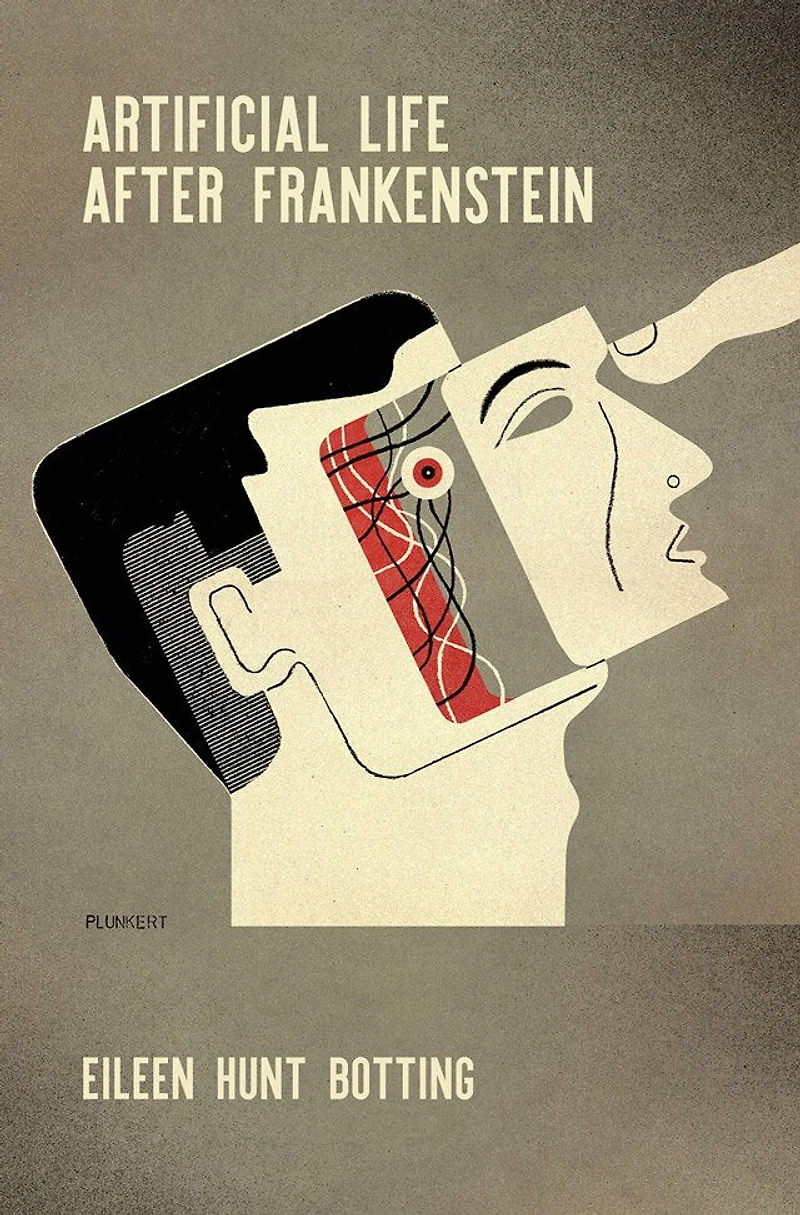
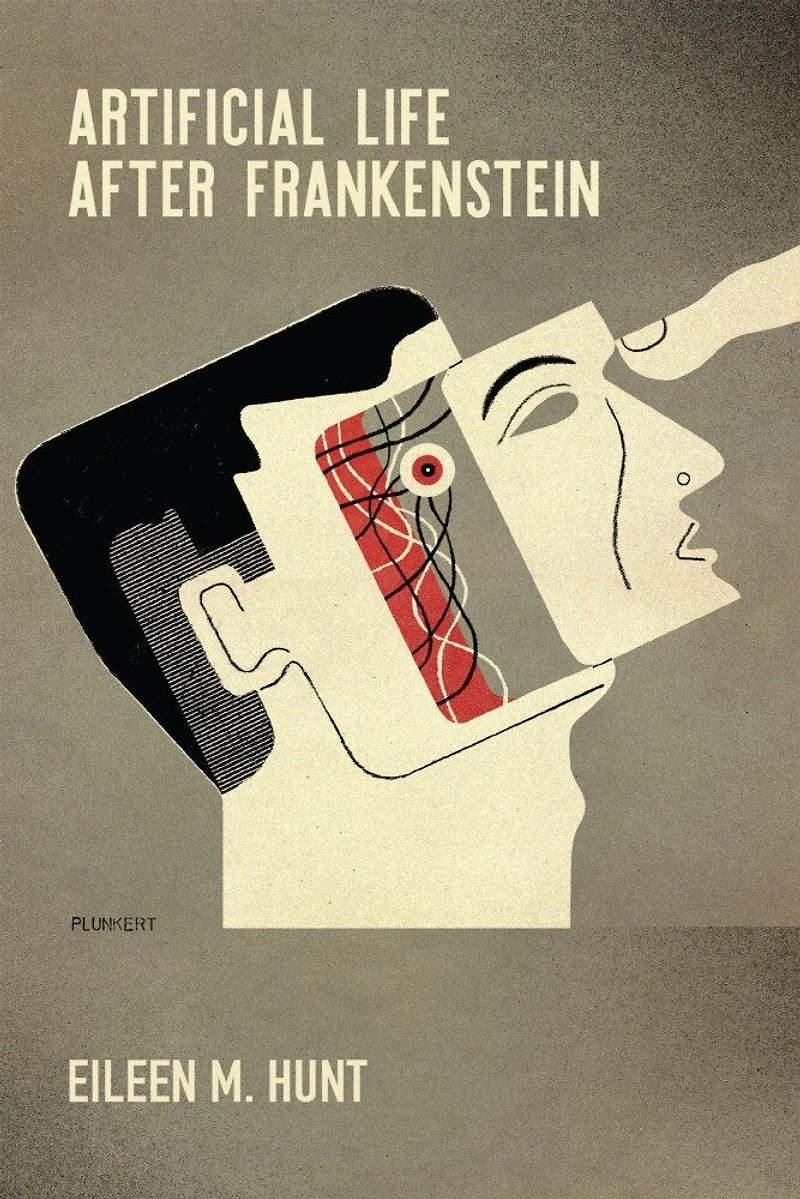
Artificial Life After Frankenstein in Ottawa, ON
Current price: $71.99

Artificial Life After Frankenstein in Ottawa, ON
Current price: $71.99
Loading Inventory...
Size: Hardcover
*Product information may vary - to confirm product availability, pricing, shipping and return information please contact Coles
Artificial Life After Frankenstein brings the insights born of Mary Shelley's legacy to bear upon the ethics and politics of making artificial life and intelligence in the twenty-first century.
What are the obligations of humanity to the artificial creatures we make? And what are the corresponding rights of those creatures, whether they are learning machines or genetically modified organisms? In seeking ways to respond to these questions, so vital for our age of genetic engineering and artificial intelligence, we would do well to turn to the capacious mind and imaginative genius of Mary Wollstonecraft Shelley (1797-1851). Shelley's novels Frankenstein; or, The Modern Prometheus (1818) and The Last Man (1826) precipitated a modern political strain of science fiction concerned with the ethical dilemmas that arise when we make artificial life—and make life artificial—through science, technology, and other forms of cultural change.
In Artificial Life After Frankenstein , Eileen Hunt Botting puts Shelley and several classics of modern political science fiction into dialogue with contemporary political science and philosophy, in order to challenge some of the apocalyptic fears at the fore of twenty-first-century political thought on AI and genetic engineering. Focusing on the prevailing myths that artificial forms of life will end the world, destroy nature, and extinguish love, Botting shows how Shelley modeled ways to break down and transform the meanings of apocalypse, nature, and love in the face of widespread and deep-seated fear about the power of technology and artifice to undermine the possibility of humanity, community, and life itself.
Through their explorations of these themes, Mary Shelley and authors of modern political science fiction from H. G. Wells to Nnedi Okorafor have paved the way for a techno-political philosophy of living with the artifice of humanity in all of its complexity. In Artificial Life After Frankenstein , Botting brings the insights born of Shelley's legacy to bear upon the ethics and politics of making artificial life and intelligence in the twenty-first century.
Artificial Life After Frankenstein brings the insights born of Mary Shelley's legacy to bear upon the ethics and politics of making artificial life and intelligence in the twenty-first century.
What are the obligations of humanity to the artificial creatures we make? And what are the corresponding rights of those creatures, whether they are learning machines or genetically modified organisms? In seeking ways to respond to these questions, so vital for our age of genetic engineering and artificial intelligence, we would do well to turn to the capacious mind and imaginative genius of Mary Wollstonecraft Shelley (1797-1851). Shelley's novels Frankenstein; or, The Modern Prometheus (1818) and The Last Man (1826) precipitated a modern political strain of science fiction concerned with the ethical dilemmas that arise when we make artificial life—and make life artificial—through science, technology, and other forms of cultural change.
In Artificial Life After Frankenstein , Eileen Hunt Botting puts Shelley and several classics of modern political science fiction into dialogue with contemporary political science and philosophy, in order to challenge some of the apocalyptic fears at the fore of twenty-first-century political thought on AI and genetic engineering. Focusing on the prevailing myths that artificial forms of life will end the world, destroy nature, and extinguish love, Botting shows how Shelley modeled ways to break down and transform the meanings of apocalypse, nature, and love in the face of widespread and deep-seated fear about the power of technology and artifice to undermine the possibility of humanity, community, and life itself.
Through their explorations of these themes, Mary Shelley and authors of modern political science fiction from H. G. Wells to Nnedi Okorafor have paved the way for a techno-political philosophy of living with the artifice of humanity in all of its complexity. In Artificial Life After Frankenstein , Botting brings the insights born of Shelley's legacy to bear upon the ethics and politics of making artificial life and intelligence in the twenty-first century.
You May Also Like













More About Coles at Bayshore Shopping Centre
Coles is renowned for its outstanding customer service and great selection of books. Along with the vast array of magazines, stationary, audio-books, children's literature, fiction, non-fiction and reference books, you can find accessories to make your reading experience more pleasurable. We can recommend the very best in reading today. We will help you search our titles for exactly what you need, and if we do not have it in stock, we will order it for you.
100 Bayshore Dr, Nepean, ON K2B 8C1, Canada
Find Coles at Bayshore Shopping Centre in Ottawa, ON
Visit Coles at Bayshore Shopping Centre in Ottawa, ON