

Give the Gift of Choice!
Too many options? Treat your friends and family to their favourite stores with a Bayshore Shopping Centre gift card, redeemable at participating retailers throughout the centre. Click below to purchase yours today!Purchase HereHome
Artificial Lift Methods: Design, Practices, And Applications
Coles
Loading Inventory...
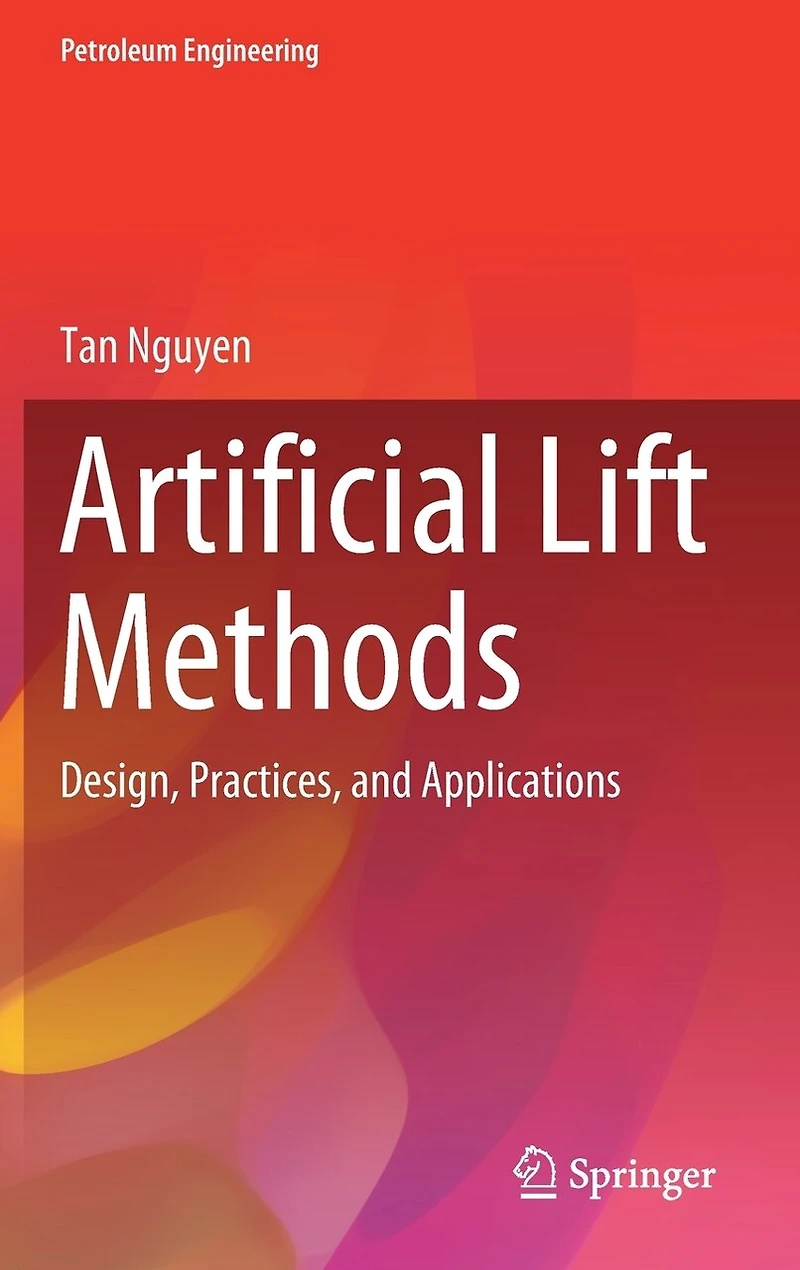

Artificial Lift Methods: Design, Practices, And Applications in Ottawa, ON
Current price: $291.95

Artificial Lift Methods: Design, Practices, And Applications in Ottawa, ON
Current price: $291.95
Loading Inventory...
Size: Hardcover
*Product information may vary - to confirm product availability, pricing, shipping and return information please contact Coles
This book details the major artificial lift methods that can be applied to hydrocarbon reservoirs with declining pressure. These include: the sucker rod pump, gas lift, electrical submersible pump, progressive cavity pump, and plunger lift. The design and applications, as well as troubleshooting, are discussed for each method, and examples, exercises and design projects are provided in order to support the concepts discussed in each chapter. The problems associated with oil recovery in horizontal wells are also explored, and the author proposes solutions to address the various extraction challenges that these wells present. The book represents a timely response to the difficulties associated with unconventional oil sources and declining wells, offering a valuable resource for students of petroleum engineering, as well as hydrocarbon recovery researchers and practicing engineers in the petroleum industry.
This book details the major artificial lift methods that can be applied to hydrocarbon reservoirs with declining pressure. These include: the sucker rod pump, gas lift, electrical submersible pump, progressive cavity pump, and plunger lift. The design and applications, as well as troubleshooting, are discussed for each method, and examples, exercises and design projects are provided in order to support the concepts discussed in each chapter. The problems associated with oil recovery in horizontal wells are also explored, and the author proposes solutions to address the various extraction challenges that these wells present. The book represents a timely response to the difficulties associated with unconventional oil sources and declining wells, offering a valuable resource for students of petroleum engineering, as well as hydrocarbon recovery researchers and practicing engineers in the petroleum industry.
You May Also Like













More About Coles at Bayshore Shopping Centre
Coles is renowned for its outstanding customer service and great selection of books. Along with the vast array of magazines, stationary, audio-books, children's literature, fiction, non-fiction and reference books, you can find accessories to make your reading experience more pleasurable. We can recommend the very best in reading today. We will help you search our titles for exactly what you need, and if we do not have it in stock, we will order it for you.
100 Bayshore Dr, Nepean, ON K2B 8C1, Canada
Find Coles at Bayshore Shopping Centre in Ottawa, ON
Visit Coles at Bayshore Shopping Centre in Ottawa, ON