

Give the Gift of Choice!
Too many options? Treat your friends and family to their favourite stores with a Bayshore Shopping Centre gift card, redeemable at participating retailers throughout the centre. Click below to purchase yours today!Purchase HereHome
Artistic and Rhetorical Patterns in Quechua Legendary Texts
Coles
Loading Inventory...
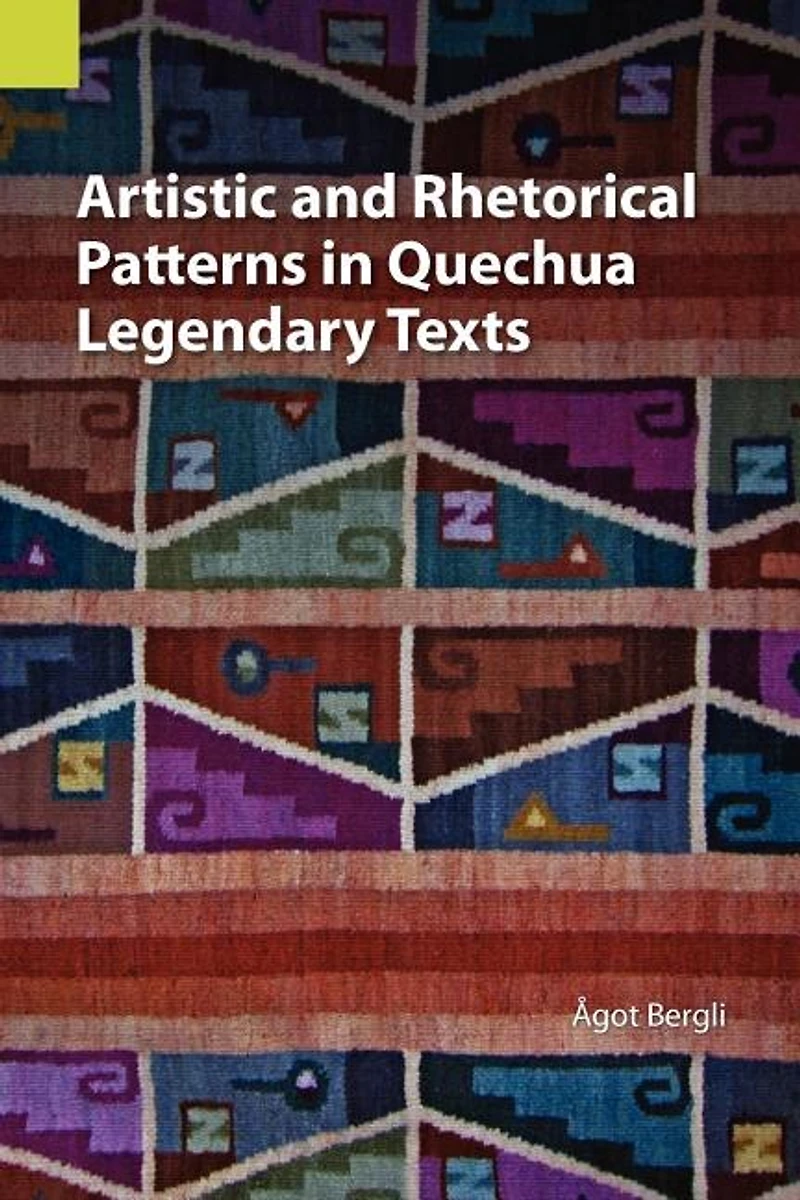
Artistic and Rhetorical Patterns in Quechua Legendary Texts in Ottawa, ON
By None
Current price: $47.95

By None
Artistic and Rhetorical Patterns in Quechua Legendary Texts in Ottawa, ON
Current price: $47.95
Loading Inventory...
Size: Paperback
*Product information may vary - to confirm product availability, pricing, shipping and return information please contact Coles
This book shows the role of specific linguistic structures in the creation of formulaic, artistic patterns in Quechua legendary narratives and explores how the patterns function in relation to concepts such as main event line and other rhetorical structures. The analysis of the texts into artistic patterns is mainly based on Dell Hymes's criteria; thus "pattern numbers," initial connectives and evidential markers play an important role in the pattern formations. The Quechua texts also show that the switch-reference markers and/or the rotation of subject in general is crucial to the structuring of the texts. The analysis moreover shows how the different patterns discovered are closely tied to rhetorical/cognitive structures, as they are perceived and lined out by various linguists, especially those of Robert Longacre and Wallace L. Chafe. The analysis of the texts prompts various questions in regards to the functions of the linguistic structures mentioned. Some of these get specific attention in the final chapter which also includes a discussion that seeks to find an explanation of the textual patterns through looking at universal artistic patterns as outlined by other scholars, as well as looking to some Quechua cultural patterns. Ågot Bergli received the Dr. art. (Ph.D.) in linguistics in 2002 from Norges Teknisk-Naturvitenskapelige Universitet (NTNU), Trondheim.She has worked with SIL International since 1979, primarily as an editor of works on Quechua and discourse studies.
This book shows the role of specific linguistic structures in the creation of formulaic, artistic patterns in Quechua legendary narratives and explores how the patterns function in relation to concepts such as main event line and other rhetorical structures. The analysis of the texts into artistic patterns is mainly based on Dell Hymes's criteria; thus "pattern numbers," initial connectives and evidential markers play an important role in the pattern formations. The Quechua texts also show that the switch-reference markers and/or the rotation of subject in general is crucial to the structuring of the texts. The analysis moreover shows how the different patterns discovered are closely tied to rhetorical/cognitive structures, as they are perceived and lined out by various linguists, especially those of Robert Longacre and Wallace L. Chafe. The analysis of the texts prompts various questions in regards to the functions of the linguistic structures mentioned. Some of these get specific attention in the final chapter which also includes a discussion that seeks to find an explanation of the textual patterns through looking at universal artistic patterns as outlined by other scholars, as well as looking to some Quechua cultural patterns. Ågot Bergli received the Dr. art. (Ph.D.) in linguistics in 2002 from Norges Teknisk-Naturvitenskapelige Universitet (NTNU), Trondheim.She has worked with SIL International since 1979, primarily as an editor of works on Quechua and discourse studies.
You May Also Like











More About Coles at Bayshore Shopping Centre
Coles is renowned for its outstanding customer service and great selection of books. Along with the vast array of magazines, stationary, audio-books, children's literature, fiction, non-fiction and reference books, you can find accessories to make your reading experience more pleasurable. We can recommend the very best in reading today. We will help you search our titles for exactly what you need, and if we do not have it in stock, we will order it for you.
100 Bayshore Dr, Nepean, ON K2B 8C1, Canada
Find Coles at Bayshore Shopping Centre in Ottawa, ON
Visit Coles at Bayshore Shopping Centre in Ottawa, ON