

Give the Gift of Choice!
Too many options? Treat your friends and family to their favourite stores with a Bayshore Shopping Centre gift card, redeemable at participating retailers throughout the centre. Click below to purchase yours today!Purchase HereHome
Asian Security Order: Instrumental and Normative Features
Coles
Loading Inventory...
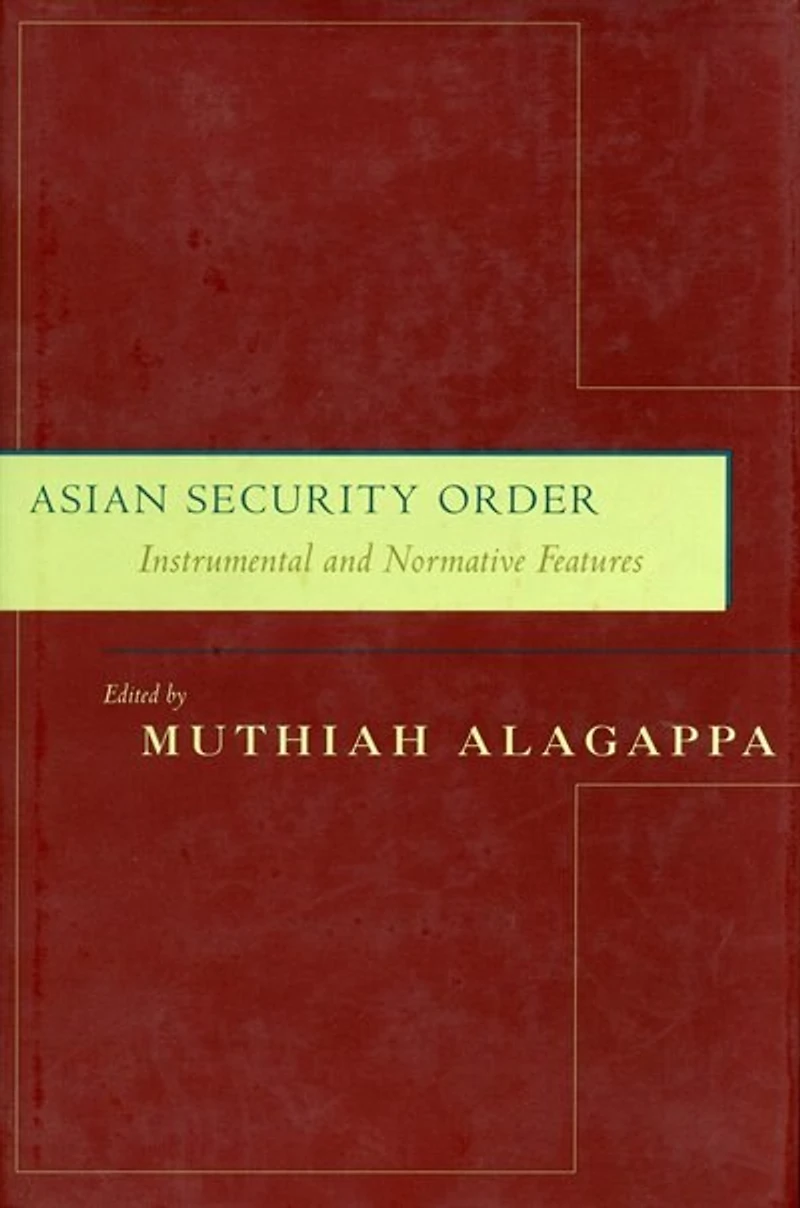
Asian Security Order: Instrumental and Normative Features in Ottawa, ON
Current price: $76.99

Asian Security Order: Instrumental and Normative Features in Ottawa, ON
Current price: $76.99
Loading Inventory...
Size: Paperback
*Product information may vary - to confirm product availability, pricing, shipping and return information please contact Coles
More than a decade has passed since the end of the Cold War, but Asia still faces serious security challenges. These include the current security environment in the Korean peninsula, across the Taiwan Strait, and over Kashmir, the danger of nuclear and missile proliferation, and the concern with the rising power of China and with American dominance. Indeed, some experts see Asia as a dangerous and unstable place. Alagappa disagrees, maintaining that Asia is a far more stable, predictable, and prosperous region than it was in the postindependence period. This volume also takes account of the changed security environment in Asia since September 11, 2001.
Unlike many areas-studies approaches, Alagappa’s work makes a strong case for taking regional politics and security dynamics seriously from both theoretical and empirical approaches. The first part of this volume develops an analytical framework for the study of order; the salience of the different pathways to order is examined in the second part; the third investigates the management of specific security issues; and the final part discusses the nature of security order in Asia.
More than a decade has passed since the end of the Cold War, but Asia still faces serious security challenges. These include the current security environment in the Korean peninsula, across the Taiwan Strait, and over Kashmir, the danger of nuclear and missile proliferation, and the concern with the rising power of China and with American dominance. Indeed, some experts see Asia as a dangerous and unstable place. Alagappa disagrees, maintaining that Asia is a far more stable, predictable, and prosperous region than it was in the postindependence period. This volume also takes account of the changed security environment in Asia since September 11, 2001.
Unlike many areas-studies approaches, Alagappa’s work makes a strong case for taking regional politics and security dynamics seriously from both theoretical and empirical approaches. The first part of this volume develops an analytical framework for the study of order; the salience of the different pathways to order is examined in the second part; the third investigates the management of specific security issues; and the final part discusses the nature of security order in Asia.
You May Also Like








More About Coles at Bayshore Shopping Centre
Coles is renowned for its outstanding customer service and great selection of books. Along with the vast array of magazines, stationary, audio-books, children's literature, fiction, non-fiction and reference books, you can find accessories to make your reading experience more pleasurable. We can recommend the very best in reading today. We will help you search our titles for exactly what you need, and if we do not have it in stock, we will order it for you.
100 Bayshore Dr, Nepean, ON K2B 8C1, Canada
Find Coles at Bayshore Shopping Centre in Ottawa, ON
Visit Coles at Bayshore Shopping Centre in Ottawa, ON