

Give the Gift of Choice!
Too many options? Treat your friends and family to their favourite stores with a Bayshore Shopping Centre gift card, redeemable at participating retailers throughout the centre. Click below to purchase yours today!Purchase HereHome
Aspects of Avicenna
Coles
Loading Inventory...
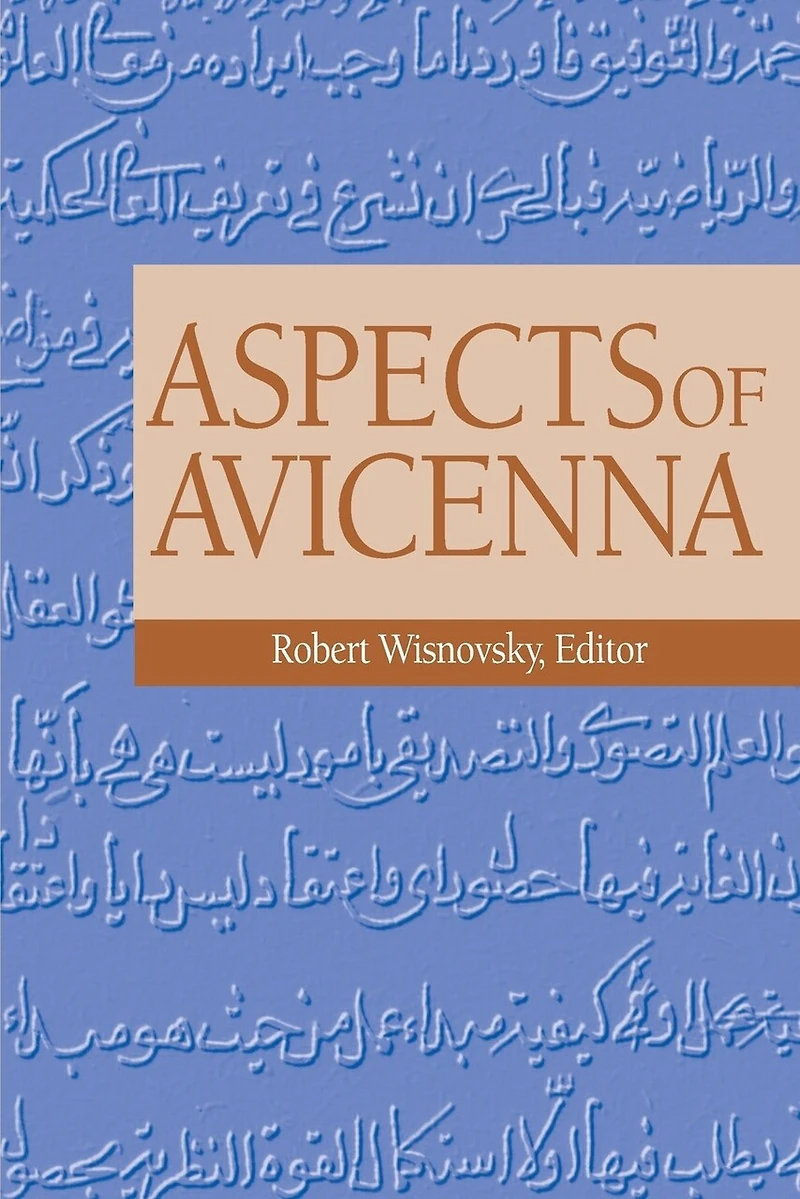
Aspects of Avicenna in Ottawa, ON
Current price: $32.50

Aspects of Avicenna in Ottawa, ON
Current price: $32.50
Loading Inventory...
Size: Paperback
*Product information may vary - to confirm product availability, pricing, shipping and return information please contact Coles
The philosopher and physician Abû 'Alî al-Husayn ibn 'Abdallâh ibn Sînâ (d. 1037 c.e.), known in the West by his Latinized name Avicenna, was one of the most influential thinkers of the Islamic and European Middle Ages. Yet for a great number of scholars today Avicenna's thought remains inaccessible. Because he wrote almost all his works in Arabic, Avicenna seems remote to historians of medieval European philosophy who are able to read only the Latin translations of those works. And because he expresses his subtle and complex ideas in the technical terminology of Aristotelianism and Neoplatonism, Avicenna seems remote to Islamicists who have little or no background in the history of ancient and late-antique philosophy. By addressing some of the most fundamental issues in Avicenna's psychology, epistemology, natural philosophy, and metaphysics, the contributors to this book hope to make Avicenna's thought more accessible to Latinists and Islamicists alike. After a brief preface, there are sections on Avicenna's theories of intuition and abstraction, and on his ideas about bodies and matter. Also catalogued in this volume for the first time is a large hoard of photostats of Avicenna manuscripts recently uncovered at the American Research Center in Egypt.
The philosopher and physician Abû 'Alî al-Husayn ibn 'Abdallâh ibn Sînâ (d. 1037 c.e.), known in the West by his Latinized name Avicenna, was one of the most influential thinkers of the Islamic and European Middle Ages. Yet for a great number of scholars today Avicenna's thought remains inaccessible. Because he wrote almost all his works in Arabic, Avicenna seems remote to historians of medieval European philosophy who are able to read only the Latin translations of those works. And because he expresses his subtle and complex ideas in the technical terminology of Aristotelianism and Neoplatonism, Avicenna seems remote to Islamicists who have little or no background in the history of ancient and late-antique philosophy. By addressing some of the most fundamental issues in Avicenna's psychology, epistemology, natural philosophy, and metaphysics, the contributors to this book hope to make Avicenna's thought more accessible to Latinists and Islamicists alike. After a brief preface, there are sections on Avicenna's theories of intuition and abstraction, and on his ideas about bodies and matter. Also catalogued in this volume for the first time is a large hoard of photostats of Avicenna manuscripts recently uncovered at the American Research Center in Egypt.
You May Also Like
















More About Coles at Bayshore Shopping Centre
Coles is renowned for its outstanding customer service and great selection of books. Along with the vast array of magazines, stationary, audio-books, children's literature, fiction, non-fiction and reference books, you can find accessories to make your reading experience more pleasurable. We can recommend the very best in reading today. We will help you search our titles for exactly what you need, and if we do not have it in stock, we will order it for you.
100 Bayshore Dr, Nepean, ON K2B 8C1, Canada
Find Coles at Bayshore Shopping Centre in Ottawa, ON
Visit Coles at Bayshore Shopping Centre in Ottawa, ON