

Give the Gift of Choice!
Too many options? Treat your friends and family to their favourite stores with a Bayshore Shopping Centre gift card, redeemable at participating retailers throughout the centre. Click below to purchase yours today!Purchase HereHome
Assessing the Landscape of Taiwan and Korean Studies in Comparison
Coles
Loading Inventory...
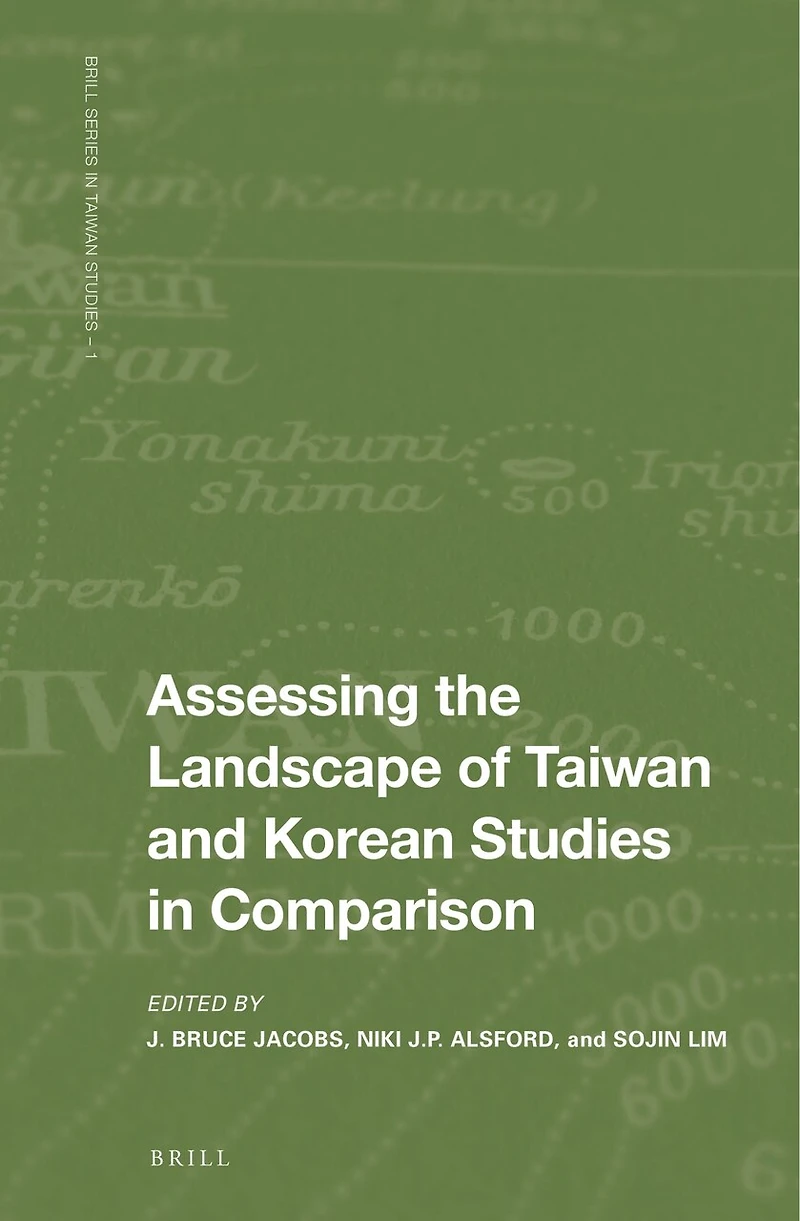
Assessing the Landscape of Taiwan and Korean Studies in Comparison in Ottawa, ON
Current price: $201.99

Assessing the Landscape of Taiwan and Korean Studies in Comparison in Ottawa, ON
Current price: $201.99
Loading Inventory...
Size: Hardcover
*Product information may vary - to confirm product availability, pricing, shipping and return information please contact Coles
In Assessing the Landscape of Taiwan and Korean Studies in Comparison , the chapters offer a reflection on the state of the field of Taiwan and Korea Studies. For the editors, the volume’s purpose was to identify not just their similarities, but also a reflection on their differences. Both have national identities formed in a colonial period. The surrender of Japan in 1945 ignited the light of independence for Korea, but this would be ideologically split within five years. For Taiwan, that end forced it into a born-again form of nationalism with the arrival of the Chinese Nationalists.
Taiwan and South Korea’s economic development illustrate a progressive transition and key to understanding this is the relationship between ‘modernization’ and ‘democracy’. By looking at Korea and Taiwan, the chapters in the volume broaden an understanding of the interconnectivity of the region.
In Assessing the Landscape of Taiwan and Korean Studies in Comparison , the chapters offer a reflection on the state of the field of Taiwan and Korea Studies. For the editors, the volume’s purpose was to identify not just their similarities, but also a reflection on their differences. Both have national identities formed in a colonial period. The surrender of Japan in 1945 ignited the light of independence for Korea, but this would be ideologically split within five years. For Taiwan, that end forced it into a born-again form of nationalism with the arrival of the Chinese Nationalists.
Taiwan and South Korea’s economic development illustrate a progressive transition and key to understanding this is the relationship between ‘modernization’ and ‘democracy’. By looking at Korea and Taiwan, the chapters in the volume broaden an understanding of the interconnectivity of the region.
You May Also Like









More About Coles at Bayshore Shopping Centre
Coles is renowned for its outstanding customer service and great selection of books. Along with the vast array of magazines, stationary, audio-books, children's literature, fiction, non-fiction and reference books, you can find accessories to make your reading experience more pleasurable. We can recommend the very best in reading today. We will help you search our titles for exactly what you need, and if we do not have it in stock, we will order it for you.
100 Bayshore Dr, Nepean, ON K2B 8C1, Canada
Find Coles at Bayshore Shopping Centre in Ottawa, ON
Visit Coles at Bayshore Shopping Centre in Ottawa, ON