

Give the Gift of Choice!
Too many options? Treat your friends and family to their favourite stores with a Bayshore Shopping Centre gift card, redeemable at participating retailers throughout the centre. Click below to purchase yours today!Purchase HereHome
Asymmetric Threats to U.S. National Security to the Year 2010
Coles
Loading Inventory...
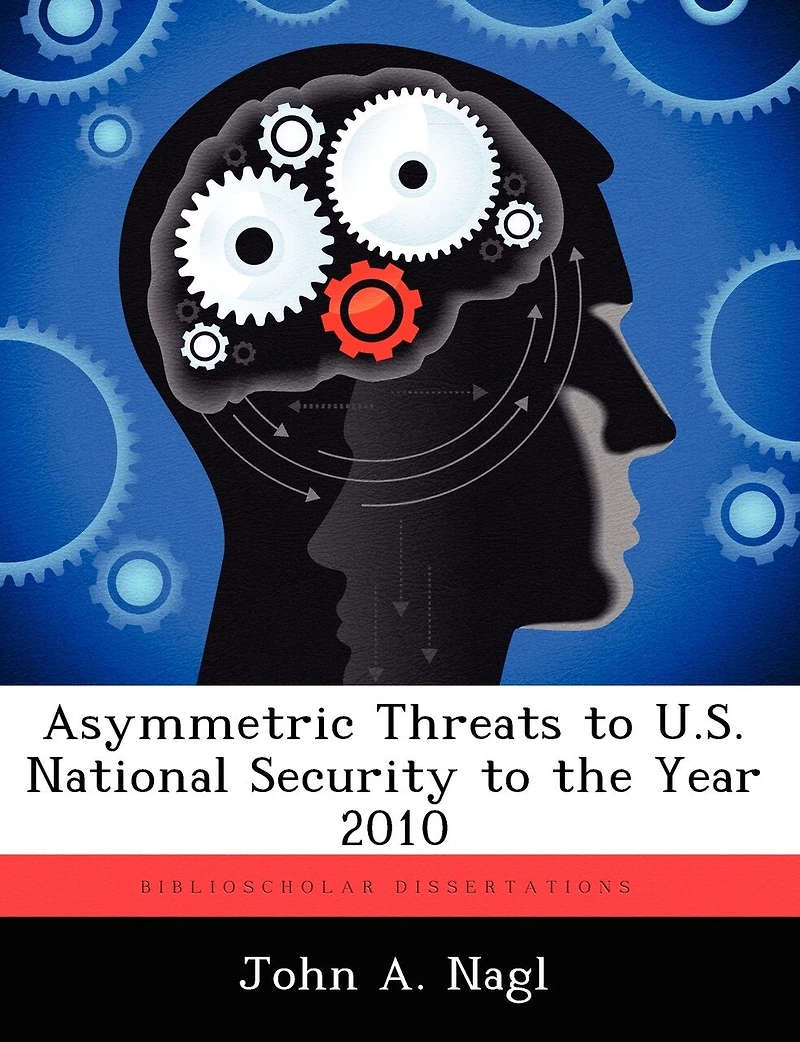
Asymmetric Threats to U.S. National Security to the Year 2010 in Ottawa, ON
Current price: $59.00

Asymmetric Threats to U.S. National Security to the Year 2010 in Ottawa, ON
Current price: $59.00
Loading Inventory...
Size: Paperback
*Product information may vary - to confirm product availability, pricing, shipping and return information please contact Coles
Asymmetric threats counter an adversary's strengths by focusing on its weaknesses. In the post-Cold War world asymmetric threats to U.S. national security are far more likely than they were just a decade ago. This paper considers asymmetric threats from the perspective of ends, ways, and means. It examines American and "enemy" ends, as well as several means of projecting force asymmetrically, and also suggests that symmetrical means of applying force can be asymmetric threats if they are used in certain ways. The paper concludes that perhaps the most serious threat to U.S. national security for the next ten years is the organizational culture of the Department of Defense and of its component services that leads them to prepare almost exclusively for symmetrical threats. The nation must maintain its ability to deter symmetric threats to U.S. national security, but that capability will be insufficient to protect against all of the threats that the nation is likely to face in the near future. While continuing to prepare to fight the wars the U.S. expects to fight, it must also begin devoting more resources to preparing to be hit where it does not expect to be.
Asymmetric threats counter an adversary's strengths by focusing on its weaknesses. In the post-Cold War world asymmetric threats to U.S. national security are far more likely than they were just a decade ago. This paper considers asymmetric threats from the perspective of ends, ways, and means. It examines American and "enemy" ends, as well as several means of projecting force asymmetrically, and also suggests that symmetrical means of applying force can be asymmetric threats if they are used in certain ways. The paper concludes that perhaps the most serious threat to U.S. national security for the next ten years is the organizational culture of the Department of Defense and of its component services that leads them to prepare almost exclusively for symmetrical threats. The nation must maintain its ability to deter symmetric threats to U.S. national security, but that capability will be insufficient to protect against all of the threats that the nation is likely to face in the near future. While continuing to prepare to fight the wars the U.S. expects to fight, it must also begin devoting more resources to preparing to be hit where it does not expect to be.
You May Also Like







More About Coles at Bayshore Shopping Centre
Coles is renowned for its outstanding customer service and great selection of books. Along with the vast array of magazines, stationary, audio-books, children's literature, fiction, non-fiction and reference books, you can find accessories to make your reading experience more pleasurable. We can recommend the very best in reading today. We will help you search our titles for exactly what you need, and if we do not have it in stock, we will order it for you.
100 Bayshore Dr, Nepean, ON K2B 8C1, Canada
Find Coles at Bayshore Shopping Centre in Ottawa, ON
Visit Coles at Bayshore Shopping Centre in Ottawa, ON