

Give the Gift of Choice!
Too many options? Treat your friends and family to their favourite stores with a Bayshore Shopping Centre gift card, redeemable at participating retailers throughout the centre. Click below to purchase yours today!Purchase HereHome
At Home Postwar France: Modern Mass Housing and the Right to Comfort
Coles
Loading Inventory...
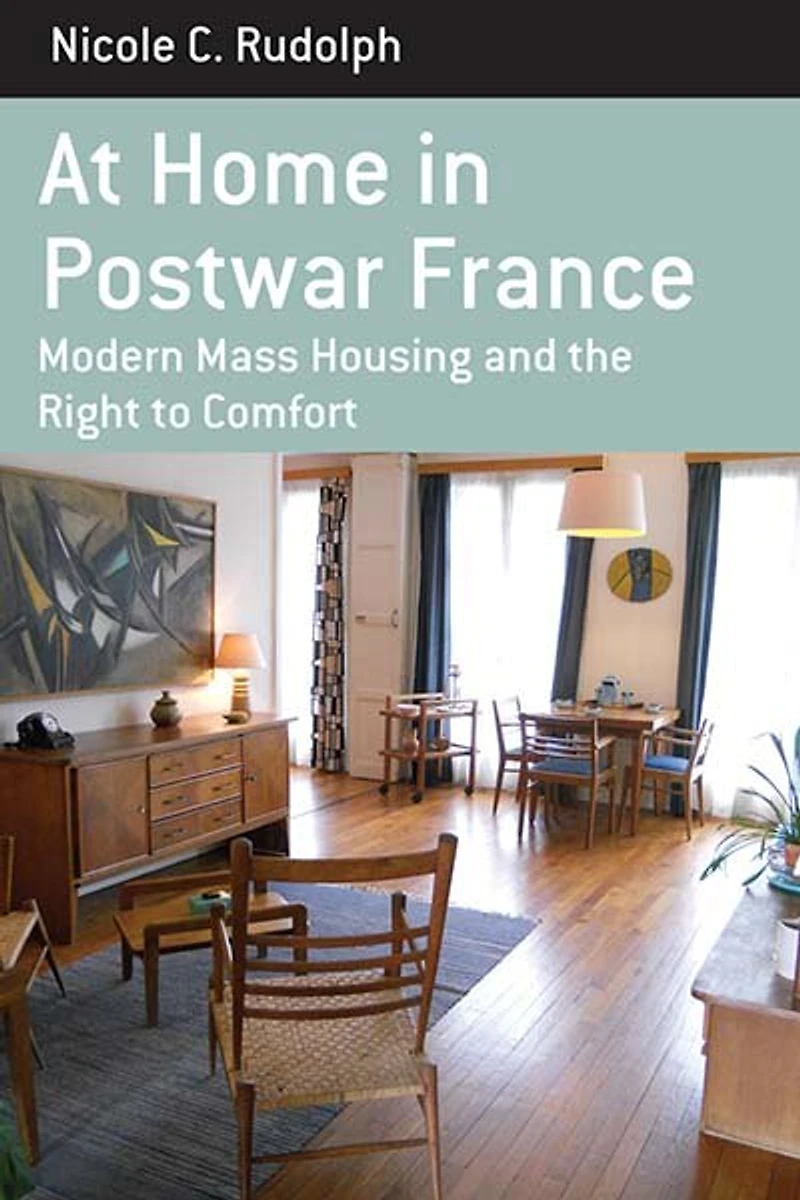
At Home Postwar France: Modern Mass Housing and the Right to Comfort in Ottawa, ON
Current price: $175.99

At Home Postwar France: Modern Mass Housing and the Right to Comfort in Ottawa, ON
Current price: $175.99
Loading Inventory...
Size: Library Binding
*Product information may vary - to confirm product availability, pricing, shipping and return information please contact Coles
After World War II, France embarked on a project of modernization, which included the development of the modern mass home. At Home in Postwar France examines key groups of actors — state officials, architects, sociologists and tastemakers — arguing that modernizers looked to the home as a site for social engineering and nation-building; designers and advocates of the modern home contributed to the democratization of French society; and the French home of the Trente Glorieuses , as it was built and inhabited, was a hybrid product of architects’, planners’, and residents’ understandings of modernity. This volume identifies the “right to comfort” as an invention of the postwar period and suggests that the modern mass home played a vital role in shaping new expectations for well-being and happiness.
After World War II, France embarked on a project of modernization, which included the development of the modern mass home. At Home in Postwar France examines key groups of actors — state officials, architects, sociologists and tastemakers — arguing that modernizers looked to the home as a site for social engineering and nation-building; designers and advocates of the modern home contributed to the democratization of French society; and the French home of the Trente Glorieuses , as it was built and inhabited, was a hybrid product of architects’, planners’, and residents’ understandings of modernity. This volume identifies the “right to comfort” as an invention of the postwar period and suggests that the modern mass home played a vital role in shaping new expectations for well-being and happiness.
You May Also Like














More About Coles at Bayshore Shopping Centre
Coles is renowned for its outstanding customer service and great selection of books. Along with the vast array of magazines, stationary, audio-books, children's literature, fiction, non-fiction and reference books, you can find accessories to make your reading experience more pleasurable. We can recommend the very best in reading today. We will help you search our titles for exactly what you need, and if we do not have it in stock, we will order it for you.
100 Bayshore Dr, Nepean, ON K2B 8C1, Canada
Find Coles at Bayshore Shopping Centre in Ottawa, ON
Visit Coles at Bayshore Shopping Centre in Ottawa, ON