

Give the Gift of Choice!
Too many options? Treat your friends and family to their favourite stores with a Bayshore Shopping Centre gift card, redeemable at participating retailers throughout the centre. Click below to purchase yours today!Purchase HereHome
a+u 21:08, 611: Feature: Nenia Project – Smiljan Radic
Coles
Loading Inventory...
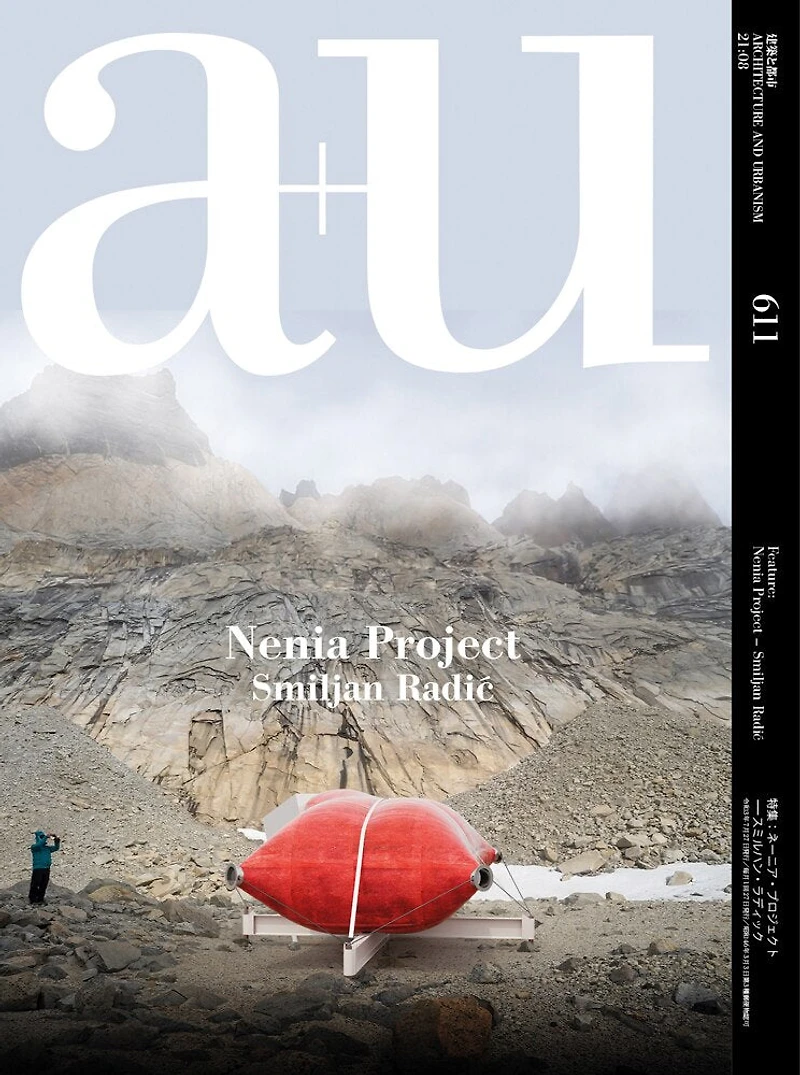
a+u 21:08, 611: Feature: Nenia Project – Smiljan Radic in Ottawa, ON
Current price: $50.00

a+u 21:08, 611: Feature: Nenia Project – Smiljan Radic in Ottawa, ON
Current price: $50.00
Loading Inventory...
Size: Paperback
*Product information may vary - to confirm product availability, pricing, shipping and return information please contact Coles
This August issue of a+u features the work of Chilean architect Smiljan Radić. The monograph opens with Nenia Project – a memoir by Radić – divulging to us the amazing imaginaries, visions of the past and future, that drive his architectural desires. Nenia Project is a collection of metaphorical manifestos and Radical Architecture artifacts that have equipped Radić with “subversive artistic strategies” and “scores for object-based works.” On these pages we discover the mysteries behind Radić’s “conceptual approach in his own buildings,” as described in an essay by Fredi Fischli and Niels Olsen. Perhaps, as Ryue Nishizawa conjectures in his essay, Radić’s “designs are poetic because they exist in, or aim for, a state of freedom from meaning.” Twenty-five key projects ranging from sculptures to buildings, all produced between 2010 and 2021, are presented here along with Radić’s own conceptual drawings and paintings.
Text in English and Japanese.
This August issue of a+u features the work of Chilean architect Smiljan Radić. The monograph opens with Nenia Project – a memoir by Radić – divulging to us the amazing imaginaries, visions of the past and future, that drive his architectural desires. Nenia Project is a collection of metaphorical manifestos and Radical Architecture artifacts that have equipped Radić with “subversive artistic strategies” and “scores for object-based works.” On these pages we discover the mysteries behind Radić’s “conceptual approach in his own buildings,” as described in an essay by Fredi Fischli and Niels Olsen. Perhaps, as Ryue Nishizawa conjectures in his essay, Radić’s “designs are poetic because they exist in, or aim for, a state of freedom from meaning.” Twenty-five key projects ranging from sculptures to buildings, all produced between 2010 and 2021, are presented here along with Radić’s own conceptual drawings and paintings.
Text in English and Japanese.
You May Also Like


















More About Coles at Bayshore Shopping Centre
Coles is renowned for its outstanding customer service and great selection of books. Along with the vast array of magazines, stationary, audio-books, children's literature, fiction, non-fiction and reference books, you can find accessories to make your reading experience more pleasurable. We can recommend the very best in reading today. We will help you search our titles for exactly what you need, and if we do not have it in stock, we will order it for you.
100 Bayshore Dr, Nepean, ON K2B 8C1, Canada
Find Coles at Bayshore Shopping Centre in Ottawa, ON
Visit Coles at Bayshore Shopping Centre in Ottawa, ON