

Give the Gift of Choice!
Too many options? Treat your friends and family to their favourite stores with a Bayshore Shopping Centre gift card, redeemable at participating retailers throughout the centre. Click below to purchase yours today!Purchase HereHome
Auerbach's Renaissance: Rebirths of an Aesthetic from Shakespeare to Ferrante
Coles
Loading Inventory...
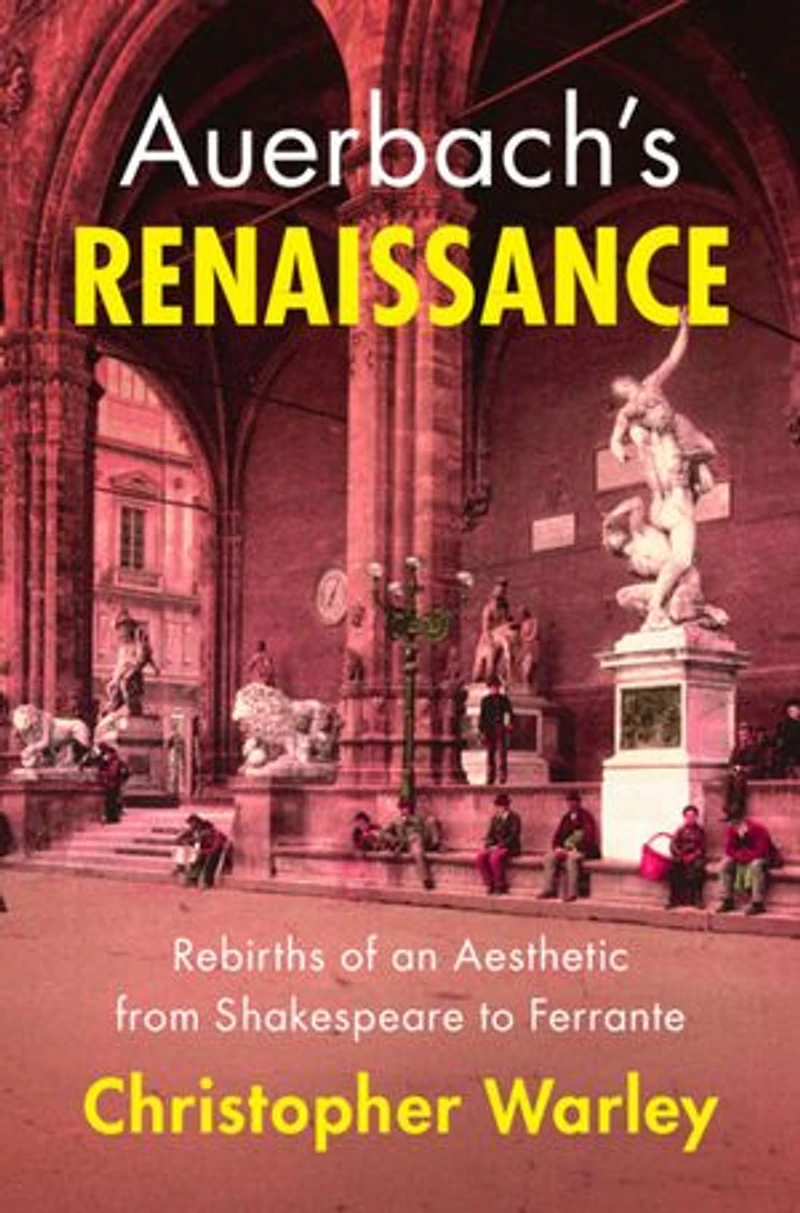
Auerbach's Renaissance: Rebirths of an Aesthetic from Shakespeare to Ferrante in Ottawa, ON
Current price: $41.59
Original price: $51.95

Auerbach's Renaissance: Rebirths of an Aesthetic from Shakespeare to Ferrante in Ottawa, ON
Current price: $41.59
Original price: $51.95
Loading Inventory...
Size: Kobo eBook
*Product information may vary - to confirm product availability, pricing, shipping and return information please contact Coles
Erich Auerbach's Mimesis is among the most admired works of literary criticism of the last hundred years. Amidst the horrors of the Second World War, Auerbach's prodigious learning managed – almost miraculously – to give voice to a delicate, subtle optimism. Focusing on Auerbach's account of Renaissance literature, Christopher Warley rediscovers the powerful beauty of Mimesis and shows its vitality for contemporary literary criticism. Analysing Auerbach's account of Renaissance love lyric alongside Woolf's To the Lighthouse, fifteenth-century Burgundian writing alongside Ferrante, and Shakespeare alongside Michelet, Ruskin and Burckhardt, Auerbach's Renaissance traces an aesthetic that celebrates the diversity of human life. Simultaneously it locates in Auerbach's reading of Renaissance writing a challenge to the pessimism of today, the sense that we live in an endless present where the future looms only as a threat. Auerbach's scholarship, the art he learns from Dante, Rabelais, Montaigne, and Shakespeare, is a Renaissance offering democratic possibility.
Erich Auerbach's Mimesis is among the most admired works of literary criticism of the last hundred years. Amidst the horrors of the Second World War, Auerbach's prodigious learning managed – almost miraculously – to give voice to a delicate, subtle optimism. Focusing on Auerbach's account of Renaissance literature, Christopher Warley rediscovers the powerful beauty of Mimesis and shows its vitality for contemporary literary criticism. Analysing Auerbach's account of Renaissance love lyric alongside Woolf's To the Lighthouse, fifteenth-century Burgundian writing alongside Ferrante, and Shakespeare alongside Michelet, Ruskin and Burckhardt, Auerbach's Renaissance traces an aesthetic that celebrates the diversity of human life. Simultaneously it locates in Auerbach's reading of Renaissance writing a challenge to the pessimism of today, the sense that we live in an endless present where the future looms only as a threat. Auerbach's scholarship, the art he learns from Dante, Rabelais, Montaigne, and Shakespeare, is a Renaissance offering democratic possibility.
You May Also Like















More About Coles at Bayshore Shopping Centre
Coles is renowned for its outstanding customer service and great selection of books. Along with the vast array of magazines, stationary, audio-books, children's literature, fiction, non-fiction and reference books, you can find accessories to make your reading experience more pleasurable. We can recommend the very best in reading today. We will help you search our titles for exactly what you need, and if we do not have it in stock, we will order it for you.
100 Bayshore Dr, Nepean, ON K2B 8C1, Canada
Find Coles at Bayshore Shopping Centre in Ottawa, ON
Visit Coles at Bayshore Shopping Centre in Ottawa, ON