

Give the Gift of Choice!
Too many options? Treat your friends and family to their favourite stores with a Bayshore Shopping Centre gift card, redeemable at participating retailers throughout the centre. Click below to purchase yours today!Purchase HereHome
Aunt Phillis's Cabin
Coles
Loading Inventory...
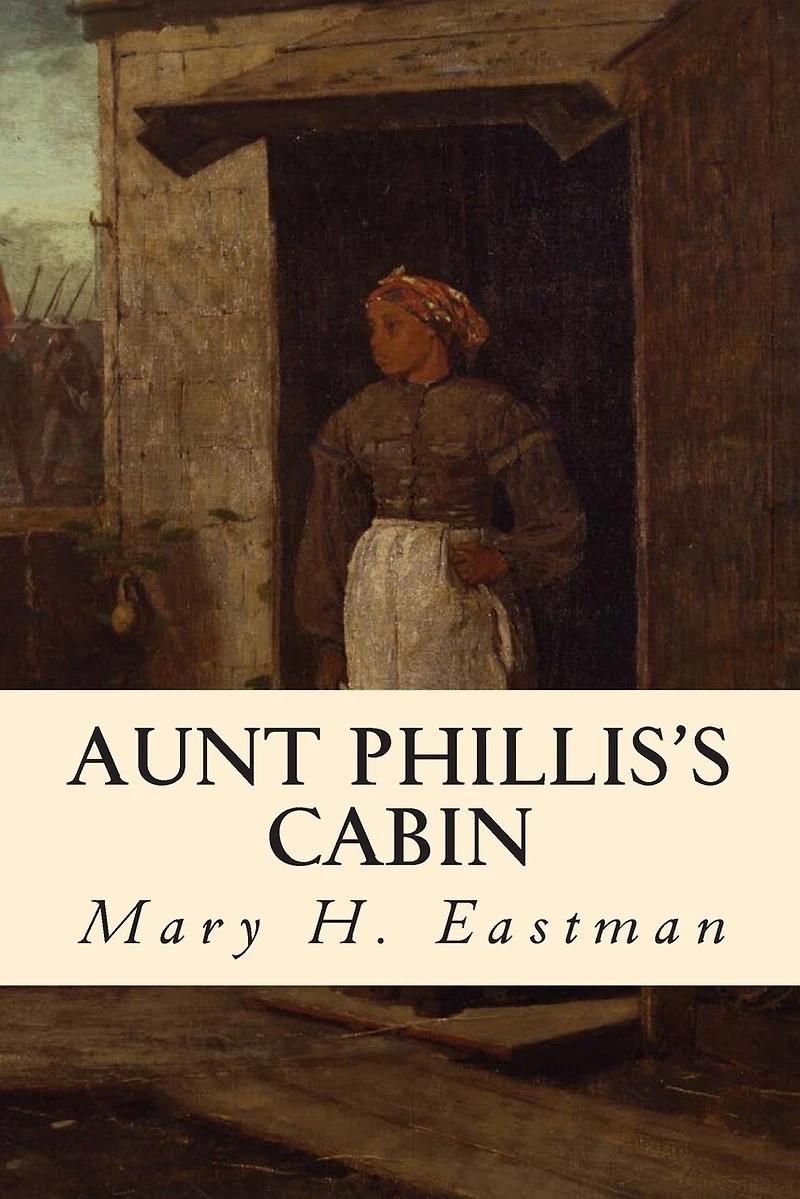
Aunt Phillis's Cabin in Ottawa, ON
Current price: $12.50

Aunt Phillis's Cabin in Ottawa, ON
Current price: $12.50
Loading Inventory...
Size: Paperback
*Product information may vary - to confirm product availability, pricing, shipping and return information please contact Coles
Aunt Phillis's Cabin; or, Southern Life As It Is by Mary Henderson Eastman is a plantation fiction novel, and is perhaps the most read anti-Tom novel in American literature. It was published by Lippincott, Grambo & Co. of Philadelphia in 1852 as a response to Harriet Beecher Stowe's Uncle Tom's Cabin, published earlier that year. The novel sold 20,000-30,000 copies, making it a strong commercial success and bestseller. Based on her growing up in Warrenton, Virginia of an elite planter family, Eastman portrays plantation owners and slaves as mutually respectful, kind, and happy beings. Published in 1852, Aunt Phillis's Cabin contains contrasts and comparisons to the anti-slavery novel, Uncle Tom's Cabin by Harriet Beecher Stowe, which was published earlier that year. It serves as an antithesis; Eastman's novel deliberately referred to the situation in Stowe's Uncle Tom's Cabin, where plantation owners abuse their repressed, disloyal slaves. Eastman portrays white plantation owners who behave benignly toward their slaves. Eastman also uses quotes from various sources - including Uncle Tom's Cabin itself - to explain that slavery is a natural institution, and essential to life.[1] Like other novels of the genre, it contains much dialogue between masters and slaves, in which she portrays "the essential happiness of slaves in the South as compared to the inevitable sufferings of free blacks and the working classes in the North," as noted by the scholar Stephen Railton in the website Uncle Tom's Cabin & American Culture The story is set in unnamed rural town in Virginia, which is frequented by several plantation owners living around it. The town relies on trade from the cotton plantations for its economy. Understanding this, the plantation owners, in contrast to their neighbors in surrounding towns, have adopted a benign approach towards their slaves to keep them peaceful and assure the safety of the town. Several characters in and around the town are introduced throughout the story, demonstrating how this process works and the delicate balance of such a process in action. Although obscure today, the novel remains one of the most-read examples of the anti-Tom genre. Between 20,000 and 30,000 copies of Aunt Phillis's Cabin were sold upon its initial release in 1852.[3] The novel was the most commercially successful of the anti-Tom genre until the publication of The Lofty and the Lowly, or Good in All and None All Good in 1853, which sold 8,000 copies within the first weeks of publication
Aunt Phillis's Cabin; or, Southern Life As It Is by Mary Henderson Eastman is a plantation fiction novel, and is perhaps the most read anti-Tom novel in American literature. It was published by Lippincott, Grambo & Co. of Philadelphia in 1852 as a response to Harriet Beecher Stowe's Uncle Tom's Cabin, published earlier that year. The novel sold 20,000-30,000 copies, making it a strong commercial success and bestseller. Based on her growing up in Warrenton, Virginia of an elite planter family, Eastman portrays plantation owners and slaves as mutually respectful, kind, and happy beings. Published in 1852, Aunt Phillis's Cabin contains contrasts and comparisons to the anti-slavery novel, Uncle Tom's Cabin by Harriet Beecher Stowe, which was published earlier that year. It serves as an antithesis; Eastman's novel deliberately referred to the situation in Stowe's Uncle Tom's Cabin, where plantation owners abuse their repressed, disloyal slaves. Eastman portrays white plantation owners who behave benignly toward their slaves. Eastman also uses quotes from various sources - including Uncle Tom's Cabin itself - to explain that slavery is a natural institution, and essential to life.[1] Like other novels of the genre, it contains much dialogue between masters and slaves, in which she portrays "the essential happiness of slaves in the South as compared to the inevitable sufferings of free blacks and the working classes in the North," as noted by the scholar Stephen Railton in the website Uncle Tom's Cabin & American Culture The story is set in unnamed rural town in Virginia, which is frequented by several plantation owners living around it. The town relies on trade from the cotton plantations for its economy. Understanding this, the plantation owners, in contrast to their neighbors in surrounding towns, have adopted a benign approach towards their slaves to keep them peaceful and assure the safety of the town. Several characters in and around the town are introduced throughout the story, demonstrating how this process works and the delicate balance of such a process in action. Although obscure today, the novel remains one of the most-read examples of the anti-Tom genre. Between 20,000 and 30,000 copies of Aunt Phillis's Cabin were sold upon its initial release in 1852.[3] The novel was the most commercially successful of the anti-Tom genre until the publication of The Lofty and the Lowly, or Good in All and None All Good in 1853, which sold 8,000 copies within the first weeks of publication









More About Coles at Bayshore Shopping Centre
Coles is renowned for its outstanding customer service and great selection of books. Along with the vast array of magazines, stationary, audio-books, children's literature, fiction, non-fiction and reference books, you can find accessories to make your reading experience more pleasurable. We can recommend the very best in reading today. We will help you search our titles for exactly what you need, and if we do not have it in stock, we will order it for you.
100 Bayshore Dr, Nepean, ON K2B 8C1, Canada
Find Coles at Bayshore Shopping Centre in Ottawa, ON
Visit Coles at Bayshore Shopping Centre in Ottawa, ON