

Give the Gift of Choice!
Too many options? Treat your friends and family to their favourite stores with a Bayshore Shopping Centre gift card, redeemable at participating retailers throughout the centre. Click below to purchase yours today!Purchase HereHome
Austrian Economics: An Introduction
Coles
Loading Inventory...
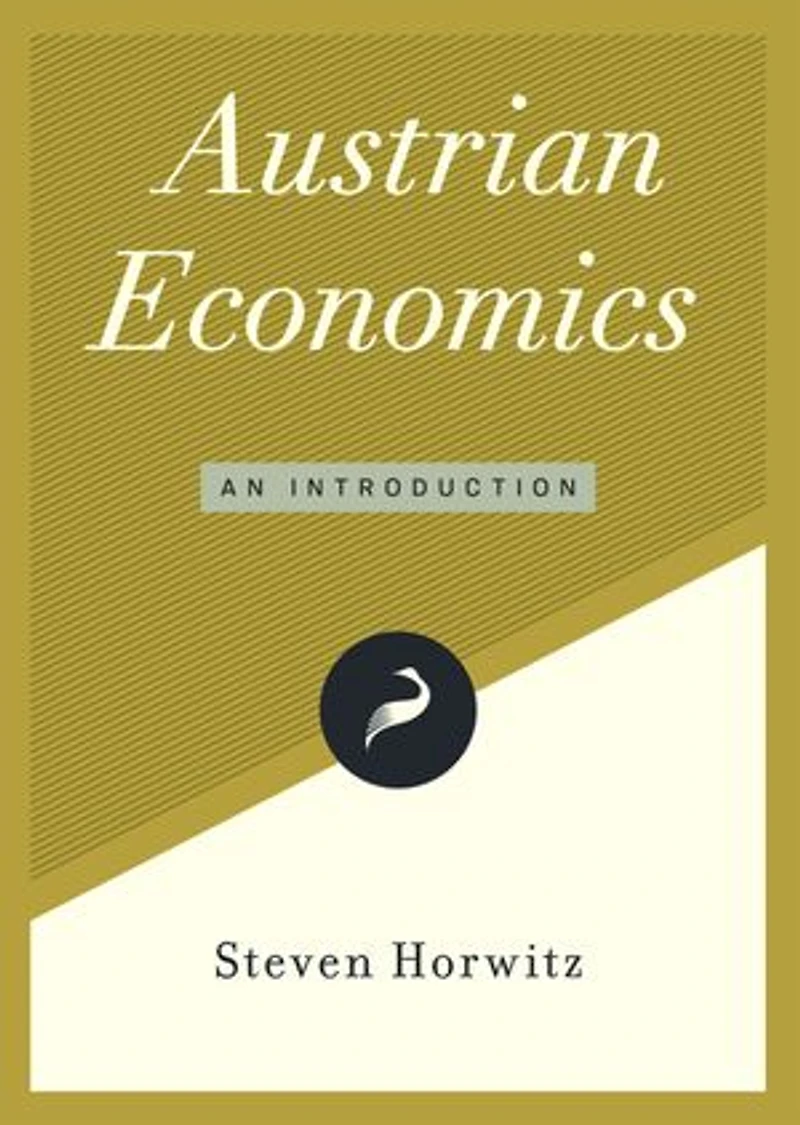
Austrian Economics: An Introduction in Ottawa, ON
Current price: $8.29
Original price: $9.49

Austrian Economics: An Introduction in Ottawa, ON
Current price: $8.29
Original price: $9.49
Loading Inventory...
Size: Kobo eBook
*Product information may vary - to confirm product availability, pricing, shipping and return information please contact Coles
What if economics began with people?
Choice is an essential feature of the human condition. Every time we embark on a given plan of action, big or small, we make a choice. Whereas many economists model people’s behavior using idealized assumptions, economists of the Austrian School don’t. The Austrian School of Economics takes people as they are and constructs economic theories by examining the logical structure of the choices they make.
Austrian Economics: An Introduction book explains the Austrian School’s insights on a wide range of economic topics and introduces some of its key thinkers. It also explains the relationship between the Austrian School and mainstream economics and delves into the criticisms that Austrian School economists have mounted against communist and socialist economic thought.
What if economics began with people?
Choice is an essential feature of the human condition. Every time we embark on a given plan of action, big or small, we make a choice. Whereas many economists model people’s behavior using idealized assumptions, economists of the Austrian School don’t. The Austrian School of Economics takes people as they are and constructs economic theories by examining the logical structure of the choices they make.
Austrian Economics: An Introduction book explains the Austrian School’s insights on a wide range of economic topics and introduces some of its key thinkers. It also explains the relationship between the Austrian School and mainstream economics and delves into the criticisms that Austrian School economists have mounted against communist and socialist economic thought.
You May Also Like










More About Coles at Bayshore Shopping Centre
Coles is renowned for its outstanding customer service and great selection of books. Along with the vast array of magazines, stationary, audio-books, children's literature, fiction, non-fiction and reference books, you can find accessories to make your reading experience more pleasurable. We can recommend the very best in reading today. We will help you search our titles for exactly what you need, and if we do not have it in stock, we will order it for you.
100 Bayshore Dr, Nepean, ON K2B 8C1, Canada
Find Coles at Bayshore Shopping Centre in Ottawa, ON
Visit Coles at Bayshore Shopping Centre in Ottawa, ON