

Give the Gift of Choice!
Too many options? Treat your friends and family to their favourite stores with a Bayshore Shopping Centre gift card, redeemable at participating retailers throughout the centre. Click below to purchase yours today!Purchase HereHome
Authoritarian Legality China
Coles
Loading Inventory...
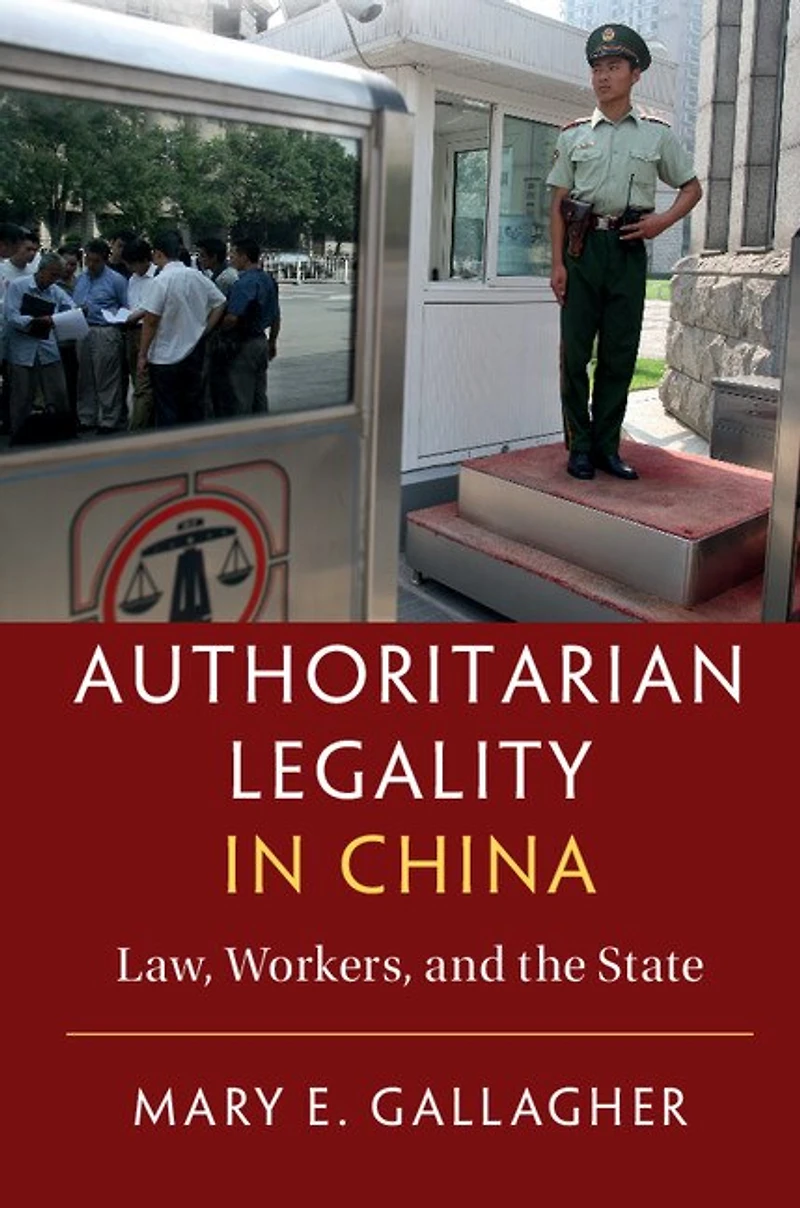
Authoritarian Legality China in Ottawa, ON
Current price: $157.95

Authoritarian Legality China in Ottawa, ON
Current price: $157.95
Loading Inventory...
Size: Hardcover
*Product information may vary - to confirm product availability, pricing, shipping and return information please contact Coles
Can authoritarian regimes use democratic institutions to strengthen and solidify their rule? The Chinese government has legislated some of the most protective workplace laws in the world and opened up the judicial system to adjudicate workplace conflict, emboldening China's workers to use these laws. This book examines these patterns of legal mobilization, showing which workers are likely to avail themselves of these new protections and find them effective. Gallagher finds that workers with high levels of education are far more likely to claim these new rights and be satisfied with the results. However, many others, left disappointed with the large gap between law on the books and law in reality, reject the courtroom for the streets. Using workers' narratives, surveys, and case studies of protests, Gallagher argues that China's half-hearted attempt at rule of law construction undermines the stability of authoritarian rule. New workplace rights fuel workers' rising expectations, but a dysfunctional legal system drives many workers to more extreme options, including strikes, demonstrations and violence.
Can authoritarian regimes use democratic institutions to strengthen and solidify their rule? The Chinese government has legislated some of the most protective workplace laws in the world and opened up the judicial system to adjudicate workplace conflict, emboldening China's workers to use these laws. This book examines these patterns of legal mobilization, showing which workers are likely to avail themselves of these new protections and find them effective. Gallagher finds that workers with high levels of education are far more likely to claim these new rights and be satisfied with the results. However, many others, left disappointed with the large gap between law on the books and law in reality, reject the courtroom for the streets. Using workers' narratives, surveys, and case studies of protests, Gallagher argues that China's half-hearted attempt at rule of law construction undermines the stability of authoritarian rule. New workplace rights fuel workers' rising expectations, but a dysfunctional legal system drives many workers to more extreme options, including strikes, demonstrations and violence.
You May Also Like














More About Coles at Bayshore Shopping Centre
Coles is renowned for its outstanding customer service and great selection of books. Along with the vast array of magazines, stationary, audio-books, children's literature, fiction, non-fiction and reference books, you can find accessories to make your reading experience more pleasurable. We can recommend the very best in reading today. We will help you search our titles for exactly what you need, and if we do not have it in stock, we will order it for you.
100 Bayshore Dr, Nepean, ON K2B 8C1, Canada
Find Coles at Bayshore Shopping Centre in Ottawa, ON
Visit Coles at Bayshore Shopping Centre in Ottawa, ON