

Give the Gift of Choice!
Too many options? Treat your friends and family to their favourite stores with a Bayshore Shopping Centre gift card, redeemable at participating retailers throughout the centre. Click below to purchase yours today!Purchase HereHome
Automotive Human-Machine Interaction (HMI) Evaluation Method
Coles
Loading Inventory...
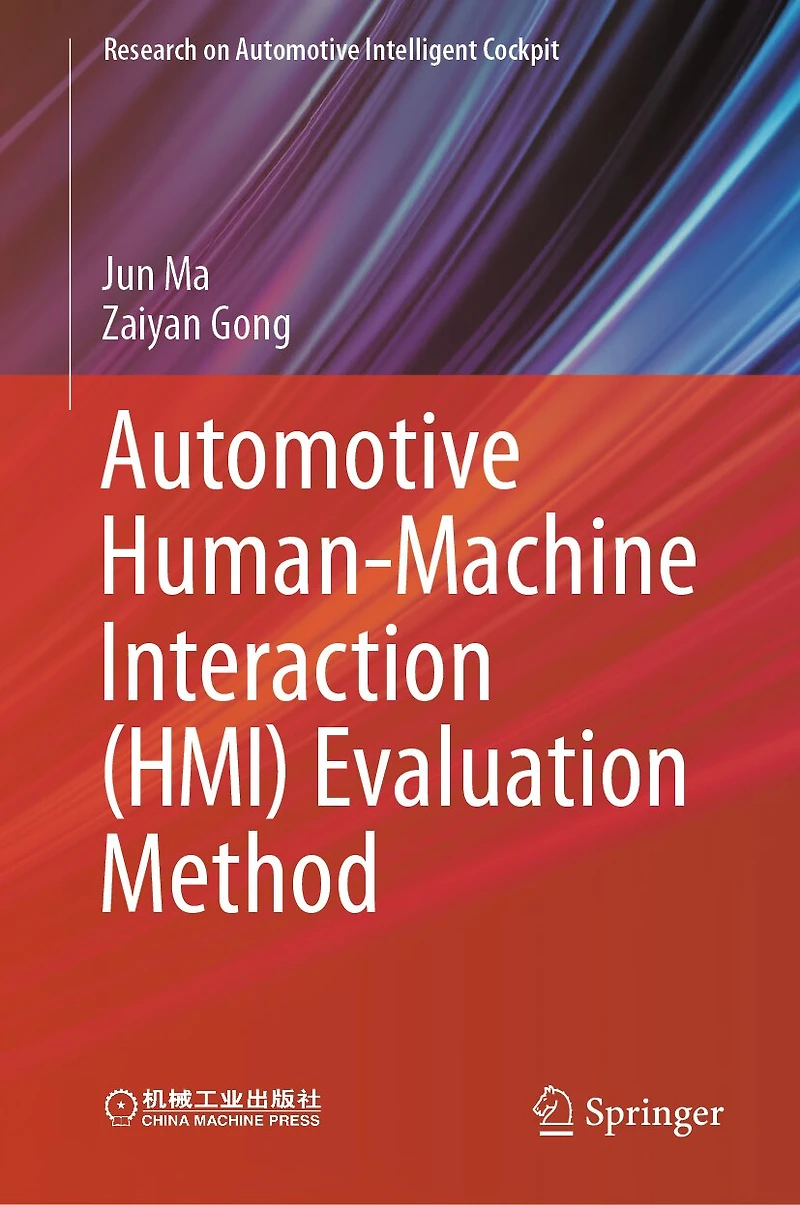
Automotive Human-Machine Interaction (HMI) Evaluation Method in Ottawa, ON
Current price: $204.50

Automotive Human-Machine Interaction (HMI) Evaluation Method in Ottawa, ON
Current price: $204.50
Loading Inventory...
Size: Hardcover
*Product information may vary - to confirm product availability, pricing, shipping and return information please contact Coles
This book focuses on the evaluation methodology for automotive human-machine interaction (HMI), which aim to reduce driving distractions, lower operational loads, optimize user experience design, and enhance user value. The book is divided into three parts. The first part, consisting of Chapters 1-3, introduces the evolution of automotive HMI and proposes a three-dimensional orthogonal evaluation system for automotive HMI that is comprehensive, systematic, and quantifiable. This evaluation system incorporates all evaluation items into a spatial matrix consisting of three dimensions: interaction tasks, interaction modalities, and evaluation indexes. The second part provides a comprehensive presentation and in-depth discussion of the evaluation indexes. The three rational evaluation indexes are utility, safety, and efficiency, which can be tested by the real-car driving simulator. The four emotional evaluation indexes are cognition, intelligence, value, and aesthetics. In orderto standardize the latter two subjective indexes, this book summarizes common differences in value between Chinese and European users and organizes typical aesthetic orientations in automotive UI based on art history research. The third part introduces the application of this HMI evaluation system in the automotive R&D process, including how to integrate the evaluation into a real product development process to achieve efficient product iteration. This book is suitable for intelligent cockpit and HMI designers, engineers, and researchers. It is also used as a reference for product managers and students in the field of intelligent connected vehicles.
This book focuses on the evaluation methodology for automotive human-machine interaction (HMI), which aim to reduce driving distractions, lower operational loads, optimize user experience design, and enhance user value. The book is divided into three parts. The first part, consisting of Chapters 1-3, introduces the evolution of automotive HMI and proposes a three-dimensional orthogonal evaluation system for automotive HMI that is comprehensive, systematic, and quantifiable. This evaluation system incorporates all evaluation items into a spatial matrix consisting of three dimensions: interaction tasks, interaction modalities, and evaluation indexes. The second part provides a comprehensive presentation and in-depth discussion of the evaluation indexes. The three rational evaluation indexes are utility, safety, and efficiency, which can be tested by the real-car driving simulator. The four emotional evaluation indexes are cognition, intelligence, value, and aesthetics. In orderto standardize the latter two subjective indexes, this book summarizes common differences in value between Chinese and European users and organizes typical aesthetic orientations in automotive UI based on art history research. The third part introduces the application of this HMI evaluation system in the automotive R&D process, including how to integrate the evaluation into a real product development process to achieve efficient product iteration. This book is suitable for intelligent cockpit and HMI designers, engineers, and researchers. It is also used as a reference for product managers and students in the field of intelligent connected vehicles.
You May Also Like









More About Coles at Bayshore Shopping Centre
Coles is renowned for its outstanding customer service and great selection of books. Along with the vast array of magazines, stationary, audio-books, children's literature, fiction, non-fiction and reference books, you can find accessories to make your reading experience more pleasurable. We can recommend the very best in reading today. We will help you search our titles for exactly what you need, and if we do not have it in stock, we will order it for you.
100 Bayshore Dr, Nepean, ON K2B 8C1, Canada
Find Coles at Bayshore Shopping Centre in Ottawa, ON
Visit Coles at Bayshore Shopping Centre in Ottawa, ON