

Give the Gift of Choice!
Too many options? Treat your friends and family to their favourite stores with a Bayshore Shopping Centre gift card, redeemable at participating retailers throughout the centre. Click below to purchase yours today!Purchase HereHome
Autonomy and Negotiation Foreign Policy: The Beagle Channel Crisis
Coles
Loading Inventory...
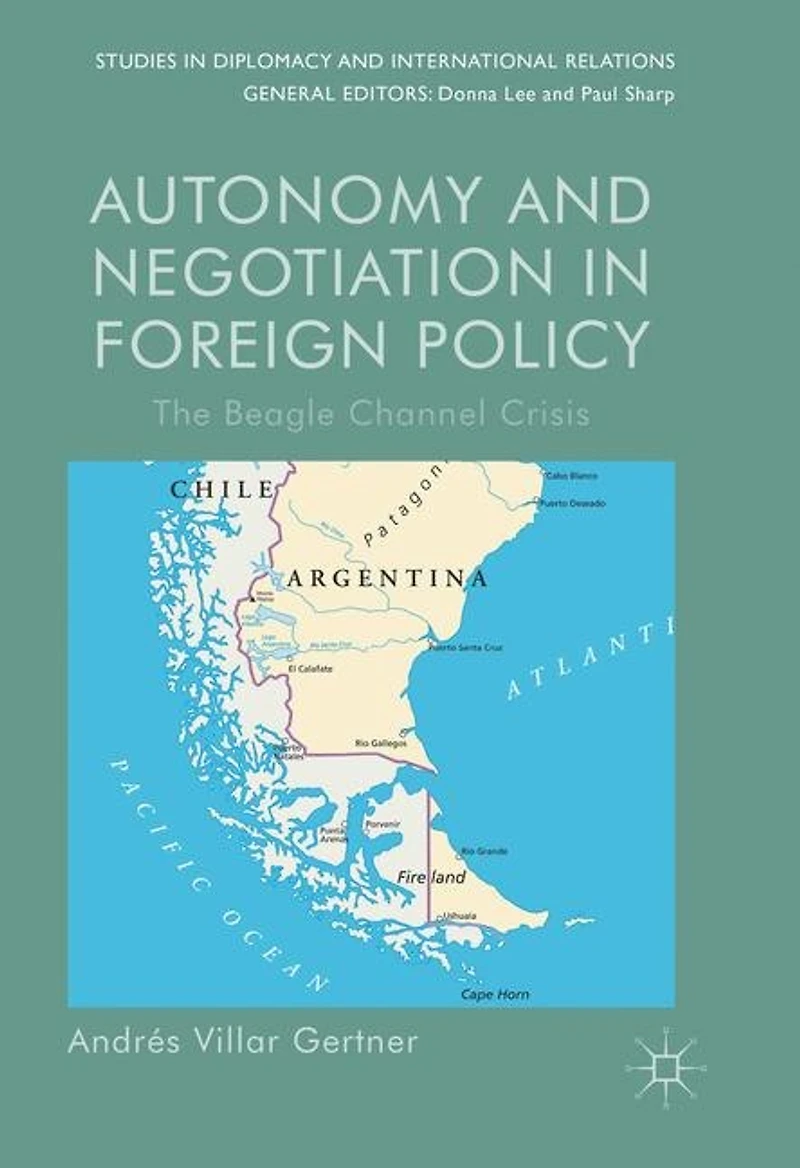
Autonomy and Negotiation Foreign Policy: The Beagle Channel Crisis in Ottawa, ON
Current price: $80.50

Autonomy and Negotiation Foreign Policy: The Beagle Channel Crisis in Ottawa, ON
Current price: $80.50
Loading Inventory...
Size: Hardcover
*Product information may vary - to confirm product availability, pricing, shipping and return information please contact Coles
This book provides a unique view on the Beagle Channel crisis (1977-1984) between Argentina and Chile by examining it in a global political context. The author explores the factors which led from imminent conflict to signing the Treaty of Peace and Friendship in just six years. Regional and international dimensions of the Beagle crisis are given particular attention, including international arbitration, the participation of the Vatican as a third actor, the role of the US, the complicating effects of the Falkland war, and the relations between each party and the UK. The author highlights unequal effects on Argentine and Chilean foreign policies of domestic structures and international conditions. The book seeks to determine the extent to which foreign policy provides opportunities for states to exercise political autonomy, given the powerful constraints imposed by the multiple structures of the international system, and how negotiation behaviour generated the path from conflict to cooperation between Argentina and Chile. The author's focus on foreign policy aids the understanding of processes and decisions within Argentina and Chile during the Beagle crisis while utilising new theoretical approaches in the field of negotiation behaviour in Latin America.
This book provides a unique view on the Beagle Channel crisis (1977-1984) between Argentina and Chile by examining it in a global political context. The author explores the factors which led from imminent conflict to signing the Treaty of Peace and Friendship in just six years. Regional and international dimensions of the Beagle crisis are given particular attention, including international arbitration, the participation of the Vatican as a third actor, the role of the US, the complicating effects of the Falkland war, and the relations between each party and the UK. The author highlights unequal effects on Argentine and Chilean foreign policies of domestic structures and international conditions. The book seeks to determine the extent to which foreign policy provides opportunities for states to exercise political autonomy, given the powerful constraints imposed by the multiple structures of the international system, and how negotiation behaviour generated the path from conflict to cooperation between Argentina and Chile. The author's focus on foreign policy aids the understanding of processes and decisions within Argentina and Chile during the Beagle crisis while utilising new theoretical approaches in the field of negotiation behaviour in Latin America.








More About Coles at Bayshore Shopping Centre
Coles is renowned for its outstanding customer service and great selection of books. Along with the vast array of magazines, stationary, audio-books, children's literature, fiction, non-fiction and reference books, you can find accessories to make your reading experience more pleasurable. We can recommend the very best in reading today. We will help you search our titles for exactly what you need, and if we do not have it in stock, we will order it for you.
100 Bayshore Dr, Nepean, ON K2B 8C1, Canada
Find Coles at Bayshore Shopping Centre in Ottawa, ON
Visit Coles at Bayshore Shopping Centre in Ottawa, ON