

Give the Gift of Choice!
Too many options? Treat your friends and family to their favourite stores with a Bayshore Shopping Centre gift card, redeemable at participating retailers throughout the centre. Click below to purchase yours today!Purchase HereHome
Awkward Powers: Escaping Traditional Great And Middle Power Theory
Coles
Loading Inventory...
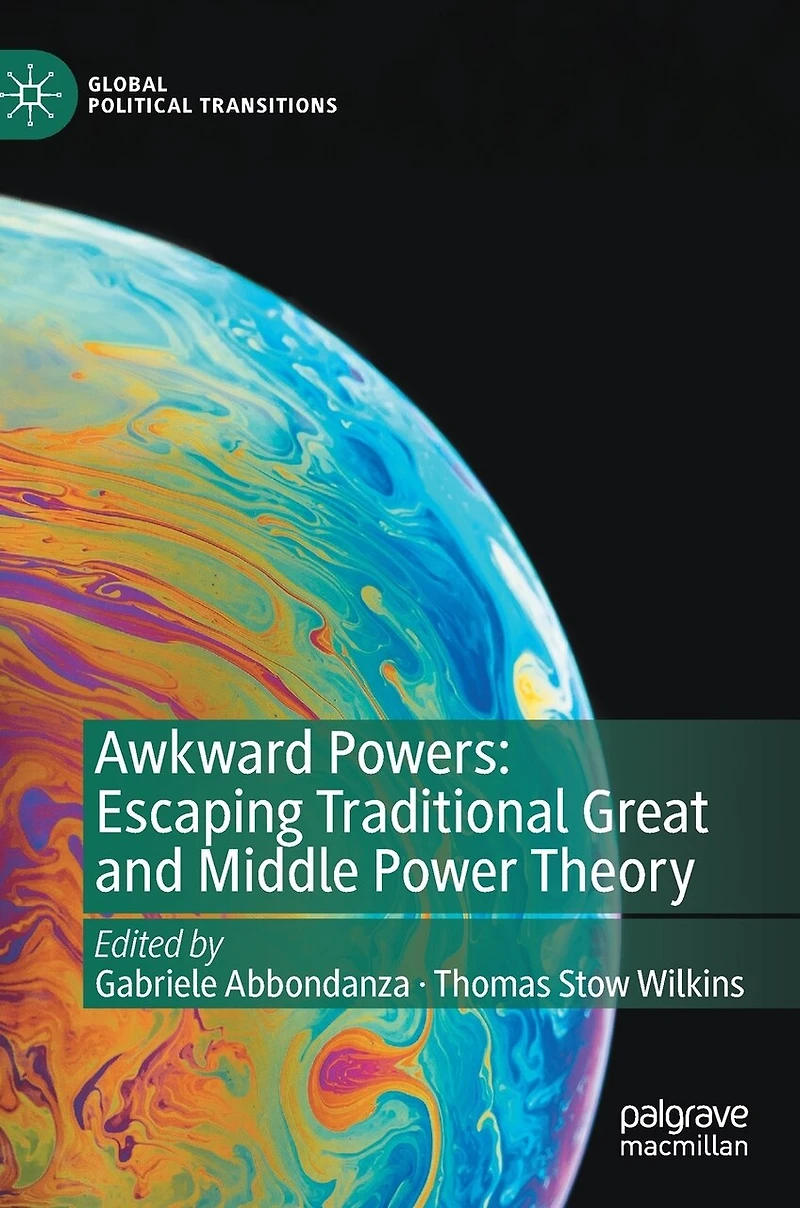
Awkward Powers: Escaping Traditional Great And Middle Power Theory in Ottawa, ON
Current price: $233.95

Awkward Powers: Escaping Traditional Great And Middle Power Theory in Ottawa, ON
Current price: $233.95
Loading Inventory...
Size: Hardcover
*Product information may vary - to confirm product availability, pricing, shipping and return information please contact Coles
This book introduces the editors' new concept of "Awkward Powers". By undertaking a critical re-examination of the state of International Relations theorising on the changing nature of the global power hierarchy, it draws attention to a number of countries that fit awkwardly into existing but outdated categories such as "great power" and "middle power". It argues that conceptual categories pertaining to the apex of the international hierarchy have become increasingly unsatisfactory, and that new approaches focusing on such "Awkward Powers" can both rectify shortcomings on power theorising whilst shining a much-needed theoretical spotlight on significant but understudied states. The book's contributors examine a broad range of empirical case studies, including both established and rising powers across a global scale to illustrate our conceptual claims. Through such a novel process, we argue that a better appreciation of the de facto international power hierarchy in the 21st century can be achieved.
This book introduces the editors' new concept of "Awkward Powers". By undertaking a critical re-examination of the state of International Relations theorising on the changing nature of the global power hierarchy, it draws attention to a number of countries that fit awkwardly into existing but outdated categories such as "great power" and "middle power". It argues that conceptual categories pertaining to the apex of the international hierarchy have become increasingly unsatisfactory, and that new approaches focusing on such "Awkward Powers" can both rectify shortcomings on power theorising whilst shining a much-needed theoretical spotlight on significant but understudied states. The book's contributors examine a broad range of empirical case studies, including both established and rising powers across a global scale to illustrate our conceptual claims. Through such a novel process, we argue that a better appreciation of the de facto international power hierarchy in the 21st century can be achieved.












More About Coles at Bayshore Shopping Centre
Coles is renowned for its outstanding customer service and great selection of books. Along with the vast array of magazines, stationary, audio-books, children's literature, fiction, non-fiction and reference books, you can find accessories to make your reading experience more pleasurable. We can recommend the very best in reading today. We will help you search our titles for exactly what you need, and if we do not have it in stock, we will order it for you.
100 Bayshore Dr, Nepean, ON K2B 8C1, Canada
Find Coles at Bayshore Shopping Centre in Ottawa, ON
Visit Coles at Bayshore Shopping Centre in Ottawa, ON