

Give the Gift of Choice!
Too many options? Treat your friends and family to their favourite stores with a Bayshore Shopping Centre gift card, redeemable at participating retailers throughout the centre. Click below to purchase yours today!Purchase HereHome
Backfire: How Sanctions Reshape the World Against U.S. Interests
Coles
Loading Inventory...
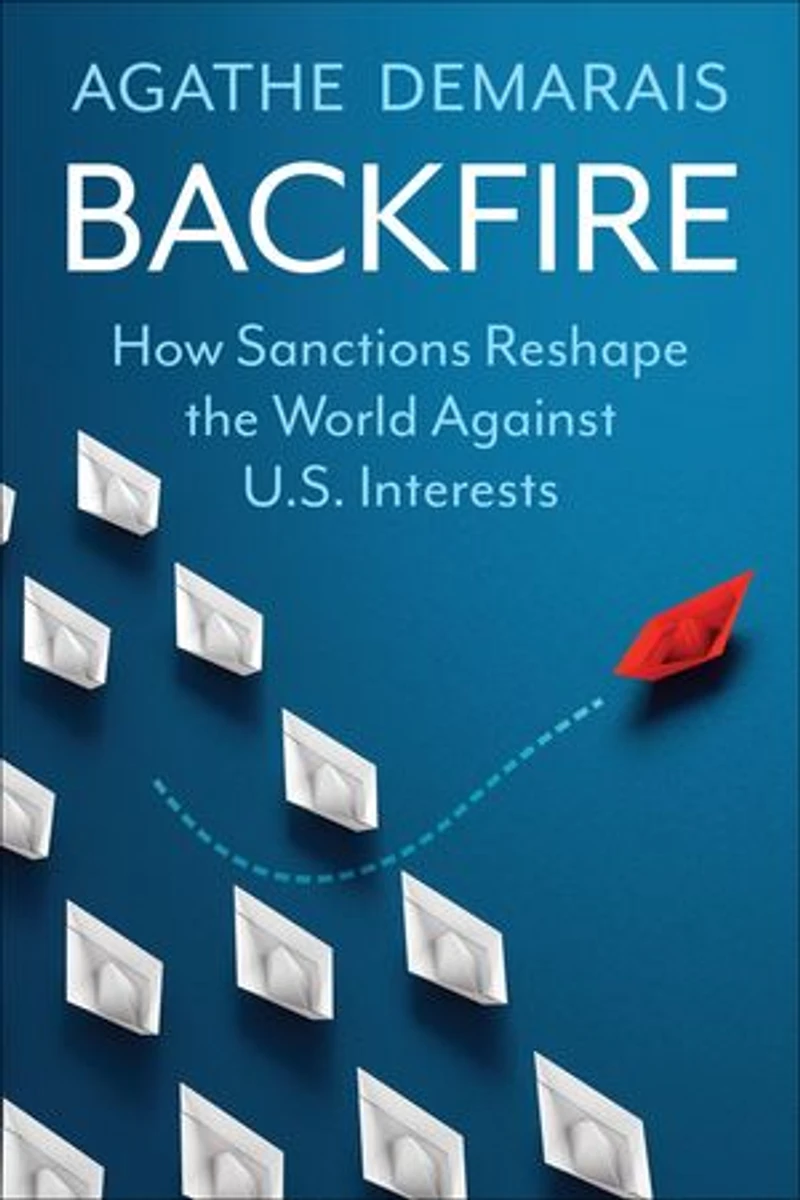
Backfire: How Sanctions Reshape the World Against U.S. Interests in Ottawa, ON
Current price: $23.19
Original price: $28.99

Backfire: How Sanctions Reshape the World Against U.S. Interests in Ottawa, ON
Current price: $23.19
Original price: $28.99
Loading Inventory...
Size: Kobo eBook
*Product information may vary - to confirm product availability, pricing, shipping and return information please contact Coles
Sanctions have become the go-to foreign policy tool for the United States. Coercive economic measures such as trade tariffs, financial penalties, and export controls affect large numbers of companies and states across the globe. Some of these penalties target nonstate actors, such as Colombian drug cartels and Islamist terror groups; others apply to entire countries, including North Korea, Iran, and Russia. U.S. policy makers see sanctions as a low-cost tactic, but in reality these measures often fail to achieve their intended goals—and their potent side effects can even harm American interests.
Backfire explores the surprising ways sanctions affect multinational companies, governments, and ultimately millions of people around the world. Drawing on interviews with experts, policy makers, and people in sanctioned countries, Agathe Demarais examines the unintended consequences of the use of sanctions as a diplomatic weapon. The proliferation of sanctions spurs efforts to evade them, as states and firms seek ways to circumvent U.S. penalties. This is only part of the story. Sanctions also reshape relations between countries, pushing governments that are at odds with the U.S. closer to each other—or, increasingly, to Russia and China.
Full of counterintuitive insights spanning a wide range of topics, from Russia’s invasion of Ukraine to Iran’s COVID response and China’s cryptocurrency ambitions, Backfire reveals how sanctions are transforming geopolitics and the global economy—as well as diminishing U.S. influence. This insider’s account is an eye-opening, accessible, and timely book that sheds light on the future of sanctions in an increasingly multipolar world.
Sanctions have become the go-to foreign policy tool for the United States. Coercive economic measures such as trade tariffs, financial penalties, and export controls affect large numbers of companies and states across the globe. Some of these penalties target nonstate actors, such as Colombian drug cartels and Islamist terror groups; others apply to entire countries, including North Korea, Iran, and Russia. U.S. policy makers see sanctions as a low-cost tactic, but in reality these measures often fail to achieve their intended goals—and their potent side effects can even harm American interests.
Backfire explores the surprising ways sanctions affect multinational companies, governments, and ultimately millions of people around the world. Drawing on interviews with experts, policy makers, and people in sanctioned countries, Agathe Demarais examines the unintended consequences of the use of sanctions as a diplomatic weapon. The proliferation of sanctions spurs efforts to evade them, as states and firms seek ways to circumvent U.S. penalties. This is only part of the story. Sanctions also reshape relations between countries, pushing governments that are at odds with the U.S. closer to each other—or, increasingly, to Russia and China.
Full of counterintuitive insights spanning a wide range of topics, from Russia’s invasion of Ukraine to Iran’s COVID response and China’s cryptocurrency ambitions, Backfire reveals how sanctions are transforming geopolitics and the global economy—as well as diminishing U.S. influence. This insider’s account is an eye-opening, accessible, and timely book that sheds light on the future of sanctions in an increasingly multipolar world.
You May Also Like













More About Coles at Bayshore Shopping Centre
Coles is renowned for its outstanding customer service and great selection of books. Along with the vast array of magazines, stationary, audio-books, children's literature, fiction, non-fiction and reference books, you can find accessories to make your reading experience more pleasurable. We can recommend the very best in reading today. We will help you search our titles for exactly what you need, and if we do not have it in stock, we will order it for you.
100 Bayshore Dr, Nepean, ON K2B 8C1, Canada
Find Coles at Bayshore Shopping Centre in Ottawa, ON
Visit Coles at Bayshore Shopping Centre in Ottawa, ON