

Give the Gift of Choice!
Too many options? Treat your friends and family to their favourite stores with a Bayshore Shopping Centre gift card, redeemable at participating retailers throughout the centre. Click below to purchase yours today!Purchase HereHome
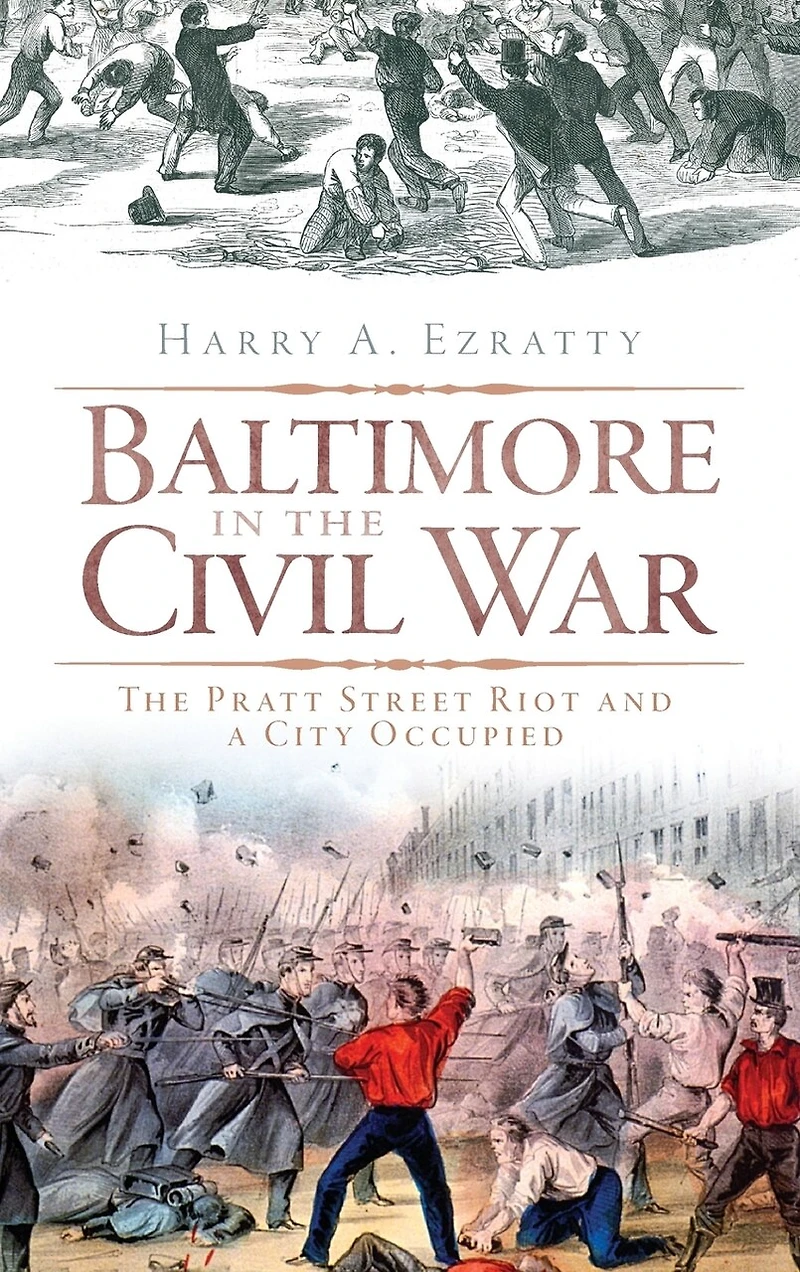
Baltimore in the Civil War: The Pratt Street Riot and a City Occupied
Coles
Loading Inventory...
Baltimore in the Civil War: The Pratt Street Riot and a City Occupied in Ottawa, ON
Current price: $36.99

Baltimore in the Civil War: The Pratt Street Riot and a City Occupied in Ottawa, ON
Current price: $36.99
Loading Inventory...
Size: Hardcover
*Product information may vary - to confirm product availability, pricing, shipping and return information please contact Coles
On April 19, 1861, the first blood of the Civil War was spilled in the streets of Baltimore. En route to Camden Station, Union forces were confronted by angry Southern sympathizers, and at Pratt Street the crowd rushed the troops, who responded with lethal volleys. Four soldiers and twelve Baltimoreans were left dead. Marylanders unsuccessfully attempted to further cut ties with the North by sabotaging roads, bridges and telegraph lines. In response to the "Battle of Baltimore," Lincoln declared martial law and withheld habeas corpus in much of the state. Author Harry Ezratty skillfully narrates the events of that day and their impact on the rest of the war, when Baltimore became a city occupied.
On April 19, 1861, the first blood of the Civil War was spilled in the streets of Baltimore. En route to Camden Station, Union forces were confronted by angry Southern sympathizers, and at Pratt Street the crowd rushed the troops, who responded with lethal volleys. Four soldiers and twelve Baltimoreans were left dead. Marylanders unsuccessfully attempted to further cut ties with the North by sabotaging roads, bridges and telegraph lines. In response to the "Battle of Baltimore," Lincoln declared martial law and withheld habeas corpus in much of the state. Author Harry Ezratty skillfully narrates the events of that day and their impact on the rest of the war, when Baltimore became a city occupied.








More About Coles at Bayshore Shopping Centre
Coles is renowned for its outstanding customer service and great selection of books. Along with the vast array of magazines, stationary, audio-books, children's literature, fiction, non-fiction and reference books, you can find accessories to make your reading experience more pleasurable. We can recommend the very best in reading today. We will help you search our titles for exactly what you need, and if we do not have it in stock, we will order it for you.
100 Bayshore Dr, Nepean, ON K2B 8C1, Canada
Find Coles at Bayshore Shopping Centre in Ottawa, ON
Visit Coles at Bayshore Shopping Centre in Ottawa, ON