

Give the Gift of Choice!
Too many options? Treat your friends and family to their favourite stores with a Bayshore Shopping Centre gift card, redeemable at participating retailers throughout the centre. Click below to purchase yours today!Purchase HereHome
Barth, Bonhoeffer, and Modern Politics
Coles
Loading Inventory...
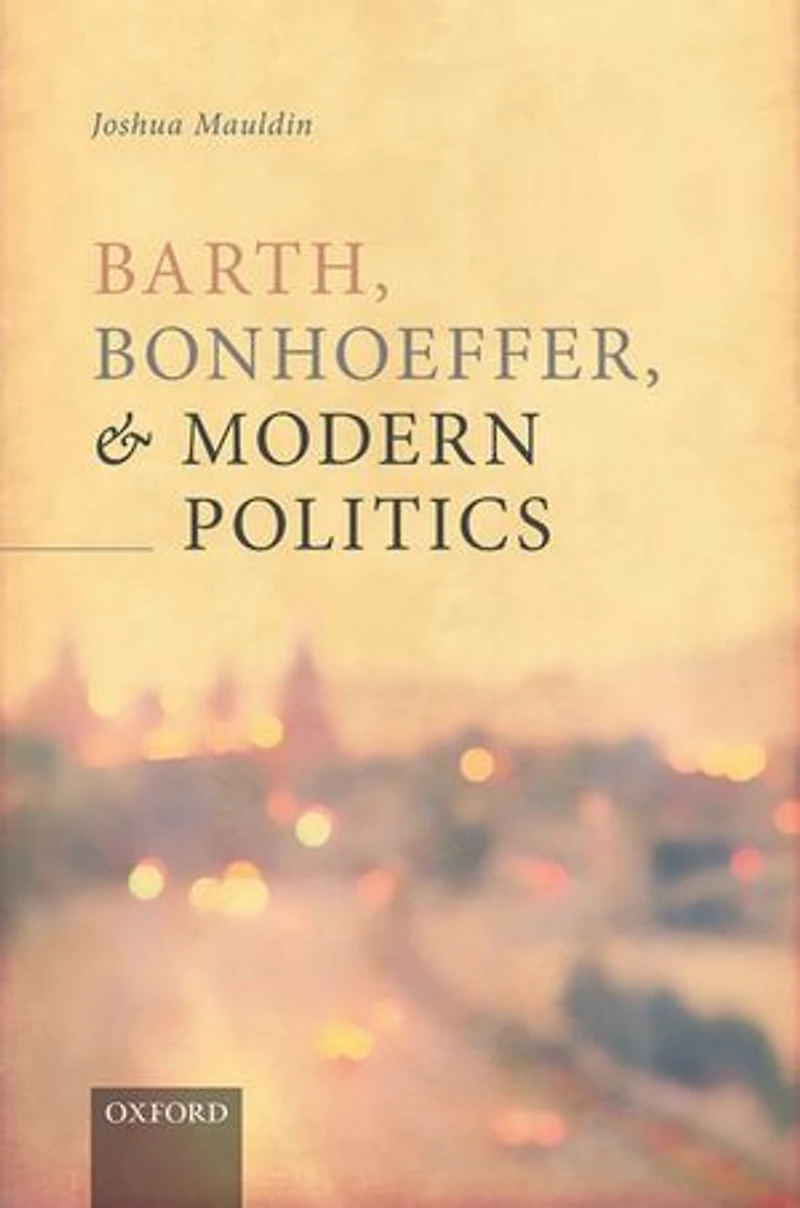
Barth, Bonhoeffer, and Modern Politics in Ottawa, ON
Current price: $63.59
Original price: $79.40

Barth, Bonhoeffer, and Modern Politics in Ottawa, ON
Current price: $63.59
Original price: $79.40
Loading Inventory...
Size: Kobo eBook
*Product information may vary - to confirm product availability, pricing, shipping and return information please contact Coles
Recent political events around the world have raised the spectre of an impending collapse of democratic institutions. Contemporary concerns about the decline of liberal democracy are reminicent to the tumult of the 1930s and 1940s in Europe. Karl Barth and Dietrich Bonhoeffer lived in Germany during the rise of National Socialism, and each reflected on what the rise of totalitarianism meant for the aspirations of modern politics. Engaging the realities of totalitarian terror, they avoided despairing rejections of modern society. Beginning with Barth in the wake of the First World War, following Bonhoeffer through the 1930s and 1940s in Nazi Germany, and concluding with Barth's post-war reflections in the 1950s, this study explores how these figures reflected on modern society during this turbulent time and how their work is relevant to the current crisis of modern democracy.
Recent political events around the world have raised the spectre of an impending collapse of democratic institutions. Contemporary concerns about the decline of liberal democracy are reminicent to the tumult of the 1930s and 1940s in Europe. Karl Barth and Dietrich Bonhoeffer lived in Germany during the rise of National Socialism, and each reflected on what the rise of totalitarianism meant for the aspirations of modern politics. Engaging the realities of totalitarian terror, they avoided despairing rejections of modern society. Beginning with Barth in the wake of the First World War, following Bonhoeffer through the 1930s and 1940s in Nazi Germany, and concluding with Barth's post-war reflections in the 1950s, this study explores how these figures reflected on modern society during this turbulent time and how their work is relevant to the current crisis of modern democracy.
You May Also Like









More About Coles at Bayshore Shopping Centre
Coles is renowned for its outstanding customer service and great selection of books. Along with the vast array of magazines, stationary, audio-books, children's literature, fiction, non-fiction and reference books, you can find accessories to make your reading experience more pleasurable. We can recommend the very best in reading today. We will help you search our titles for exactly what you need, and if we do not have it in stock, we will order it for you.
100 Bayshore Dr, Nepean, ON K2B 8C1, Canada
Find Coles at Bayshore Shopping Centre in Ottawa, ON
Visit Coles at Bayshore Shopping Centre in Ottawa, ON