

Give the Gift of Choice!
Too many options? Treat your friends and family to their favourite stores with a Bayshore Shopping Centre gift card, redeemable at participating retailers throughout the centre. Click below to purchase yours today!Purchase HereHome
Battleground Alaska: Fighting Federal Power America's Last Wilderness
Coles
Loading Inventory...
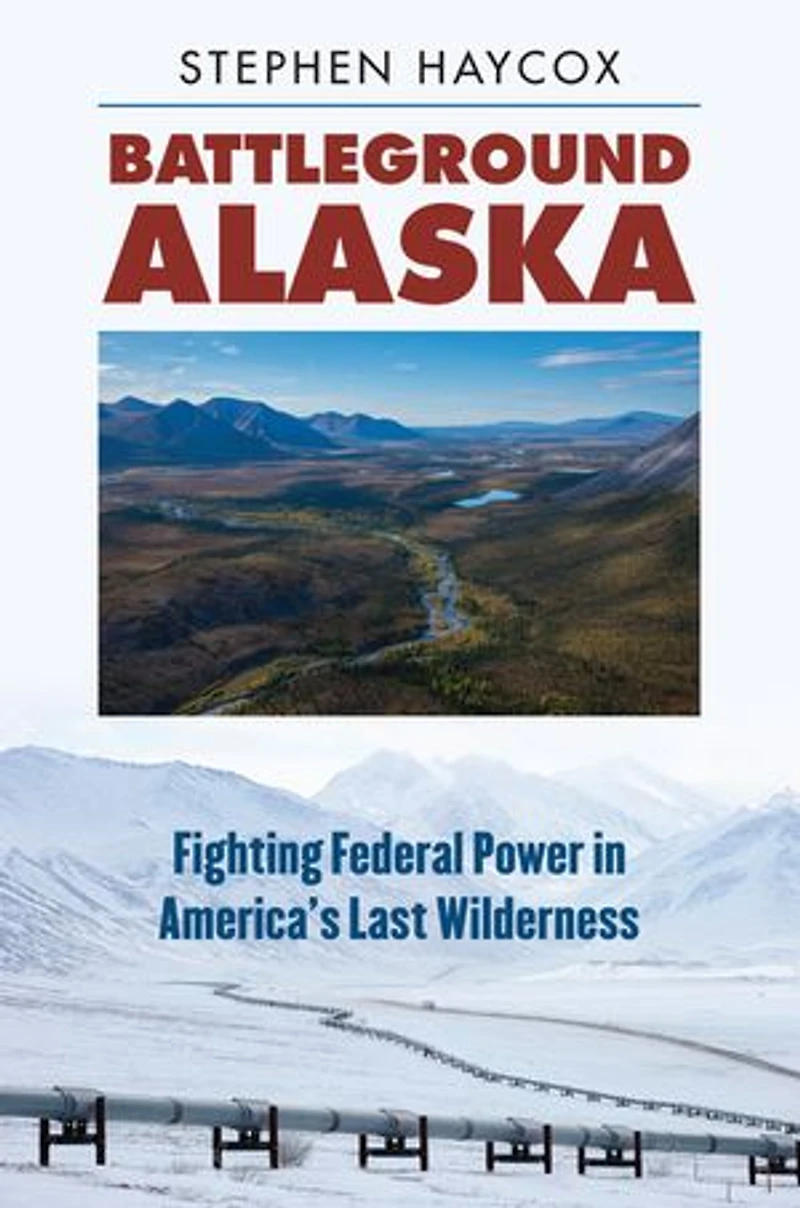
Battleground Alaska: Fighting Federal Power America's Last Wilderness in Ottawa, ON
Current price: $36.79
Original price: $45.99

Battleground Alaska: Fighting Federal Power America's Last Wilderness in Ottawa, ON
Current price: $36.79
Original price: $45.99
Loading Inventory...
Size: Kobo eBook
*Product information may vary - to confirm product availability, pricing, shipping and return information please contact Coles
No American state is more antistatist than Alaska. And no state takes in more federal money per capita, which accounts for a full third of Alaska’s economy. This seeming paradox underlies the story Stephen Haycox tells in Battleground Alaska , a history of the fraught dynamic between development and environmental regulation in a state aptly dubbed “The Last Frontier.” Examining inconvenient truths, the book investigates the genesis and persistence of the oft-heard claim that Congress has trampled Alaska’s sovereignty with its management of the state's pristine wilderness. At the same time it debunks the myth of an inviolable Alaska statehood compact at the center of this claim.
Unique, isolated, and remote, Alaska’s economy depends as much on absentee corporate exploitation of its natural resources, particularly oil, as it does on federal spending. This dependency forces Alaskans to endorse any economic development in the state, putting them in conflict with restrictive environmental constraint. Battleground Alaska reveals how Alaskans’ abiding resentment of federal regulation and control has exacerbated the tensions and political sparring between these camps—and how Alaska’s leaders have exploited this antistatist sentiment to promote their own agendas, specifically the opening of the Arctic National Wildlife Refuge to oil drilling. Haycox builds his history and critique around four now classic environmental battles in modern Alaska: the establishment of the ANWR is the 1950s; the construction of the Trans-Alaska Pipeline in the 1970s; the passage of the Alaska National Interests Lands Conservation Act in 1980; and the struggle that culminated in the Tongass Timber Reform Act of 1990.
What emerges is a complex tale, with no clear-cut villains and heroes, that explains why Alaskans as a collective almost always opt for development, even as they profess their genuine love for the beauty and bounty of their state’s environment. Yet even as it exposes the potential folly of this practice, Haycox’s work reminds environmentalists that all wilderness is inhabited, and that human life depends—as it always has—on the exploitation of the earth’s resources.
No American state is more antistatist than Alaska. And no state takes in more federal money per capita, which accounts for a full third of Alaska’s economy. This seeming paradox underlies the story Stephen Haycox tells in Battleground Alaska , a history of the fraught dynamic between development and environmental regulation in a state aptly dubbed “The Last Frontier.” Examining inconvenient truths, the book investigates the genesis and persistence of the oft-heard claim that Congress has trampled Alaska’s sovereignty with its management of the state's pristine wilderness. At the same time it debunks the myth of an inviolable Alaska statehood compact at the center of this claim.
Unique, isolated, and remote, Alaska’s economy depends as much on absentee corporate exploitation of its natural resources, particularly oil, as it does on federal spending. This dependency forces Alaskans to endorse any economic development in the state, putting them in conflict with restrictive environmental constraint. Battleground Alaska reveals how Alaskans’ abiding resentment of federal regulation and control has exacerbated the tensions and political sparring between these camps—and how Alaska’s leaders have exploited this antistatist sentiment to promote their own agendas, specifically the opening of the Arctic National Wildlife Refuge to oil drilling. Haycox builds his history and critique around four now classic environmental battles in modern Alaska: the establishment of the ANWR is the 1950s; the construction of the Trans-Alaska Pipeline in the 1970s; the passage of the Alaska National Interests Lands Conservation Act in 1980; and the struggle that culminated in the Tongass Timber Reform Act of 1990.
What emerges is a complex tale, with no clear-cut villains and heroes, that explains why Alaskans as a collective almost always opt for development, even as they profess their genuine love for the beauty and bounty of their state’s environment. Yet even as it exposes the potential folly of this practice, Haycox’s work reminds environmentalists that all wilderness is inhabited, and that human life depends—as it always has—on the exploitation of the earth’s resources.
You May Also Like









More About Coles at Bayshore Shopping Centre
Coles is renowned for its outstanding customer service and great selection of books. Along with the vast array of magazines, stationary, audio-books, children's literature, fiction, non-fiction and reference books, you can find accessories to make your reading experience more pleasurable. We can recommend the very best in reading today. We will help you search our titles for exactly what you need, and if we do not have it in stock, we will order it for you.
100 Bayshore Dr, Nepean, ON K2B 8C1, Canada
Find Coles at Bayshore Shopping Centre in Ottawa, ON
Visit Coles at Bayshore Shopping Centre in Ottawa, ON