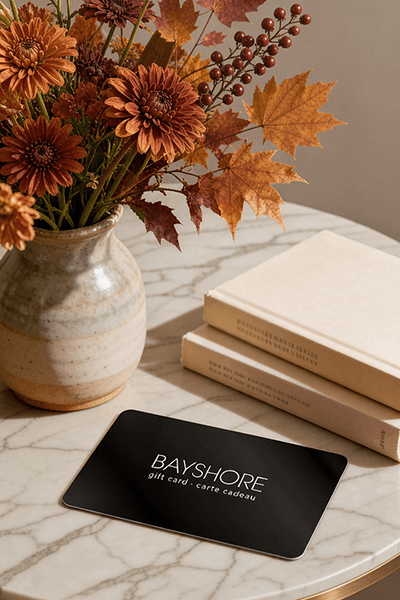
Too many options? Treat your friends and family to their favourite stores with a Bayshore Shopping Centre gift card, redeemable at participating retailers throughout the centre. Click below to purchase yours today!Purchase Here
Coles Beat the Lottery: A 500-year-old Kabbalist's Guide to Conquering Chance at Bayshore Shopping Centre in Ottawa, ON
*Product information may vary - to confirm product availability, pricing, shipping and return information please contact Coles
BEAT THE LOTTERY: A 500-YEAR-OLD KABBALIST'S GUIDE TO CONQUERING CHANCE is the translation of an anonymous book apparently written to assist readers while selecting numbers that are likely to emerge in lottery drawings worldwide. Some methods were passed down by Heinrich Cornelius Agrippa (1486-1535) and Giovanni Pico della Mirandola (1463-1494). Others came from astrologers and alchemists like Rutilio Benincasa (1555-1626), and Zarathustra (c. 660-583 B.C.E.), while some are credited to sibyls, who were said to preside over oracles at such places as Delphi and Dardania in Greece, and Erythrae in Ionia. Alongside the translations are lengthy notes and supplementary information provided by the translator to facilitate readers' understanding. This first English-language translation (of an exceptionally rare text) will appeal to anyone who plays the lottery, and to anyone who is interested in numerology or ancient religious practices.
BEAT THE LOTTERY: A 500-YEAR-OLD KABBALIST'S GUIDE TO CONQUERING CHANCE is the translation of an anonymous book apparently written to assist readers while selecting numbers that are likely to emerge in lottery drawings worldwide. Some methods were passed down by Heinrich Cornelius Agrippa (1486-1535) and Giovanni Pico della Mirandola (1463-1494). Others came from astrologers and alchemists like Rutilio Benincasa (1555-1626), and Zarathustra (c. 660-583 B.C.E.), while some are credited to sibyls, who were said to preside over oracles at such places as Delphi and Dardania in Greece, and Erythrae in Ionia. Alongside the translations are lengthy notes and supplementary information provided by the translator to facilitate readers' understanding. This first English-language translation (of an exceptionally rare text) will appeal to anyone who plays the lottery, and to anyone who is interested in numerology or ancient religious practices.
Coles is renowned for its outstanding customer service and great selection of books. Along with the vast array of magazines, stationary, audio-books, children's literature, fiction, non-fiction and reference books, you can find accessories to make your reading experience more pleasurable. We can recommend the very best in reading today. We will help you search our titles for exactly what you need, and if we do not have it in stock, we will order it for you.