

Give the Gift of Choice!
Too many options? Treat your friends and family to their favourite stores with a Bayshore Shopping Centre gift card, redeemable at participating retailers throughout the centre. Click below to purchase yours today!Purchase HereHome
Becoming Leonor Fini: Theatrical Self-Performances between Art and Life
Coles
Loading Inventory...
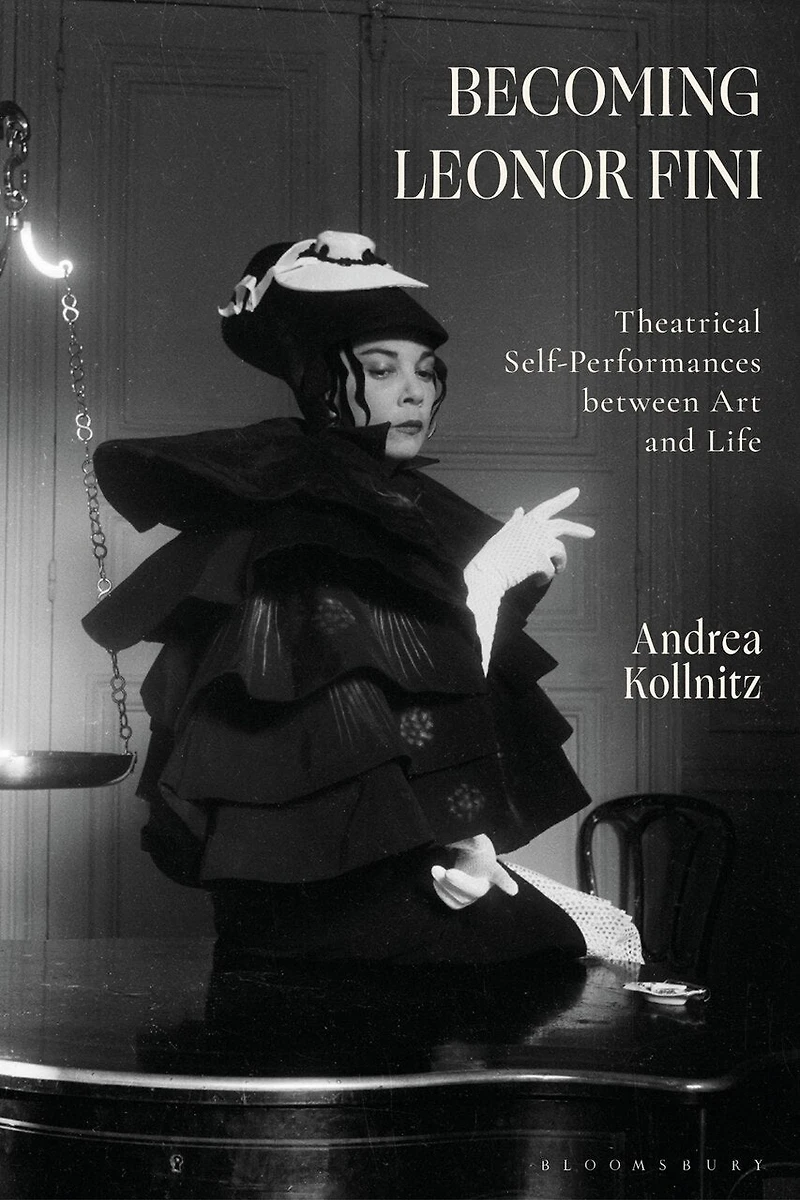

Becoming Leonor Fini: Theatrical Self-Performances between Art and Life in Ottawa, ON
Current price: $189.95

Becoming Leonor Fini: Theatrical Self-Performances between Art and Life in Ottawa, ON
Current price: $189.95
Loading Inventory...
Size: Hardcover
*Product information may vary - to confirm product availability, pricing, shipping and return information please contact Coles
Italian-Argentine artist Leonor Fini (1907-1996) can be seen as the original artist-celebrity; her self-mythologization was promulgated by some of the 20th century's most prominent photographers, from Henri Cartier-Bresson to Dora Maar. Exploring her self-fashioning and dressing-up practices in light of recent theories of performativity, this book highlights how Fini's extension of artistic creative practices, from painted artworks to her self-creation through costumes, masks and fashion, allowed her to become a living artwork to be created and recreated on daily basis. Applying a multisensory methodology, the book explores Fini's personal theatricality, photographic self-portraits and self-transformative, genderbending, transgressive dressing-up games in relation to surrealist practices, showcasing the hybrid identities that made up Fini's overall character. In three thematic sections - exploring her theatrical performances at balls, her self-fashioning in photographic and painted portraits, and her becoming-other through dressing-up - the book charts the artist's personal and creative development, the interaction between her paintings and self-creation and her increasing self-empowerment through dressing-up. With over 100 visually-striking colour illustrations, the book analyses and highlights some of Fini's most outstanding performances together with her paintings and self-portraits. Kollnitz argues that the way these identities were represented in the celebrity press compromised Fini's critical reception as an artist, and how more broadly patriarchal objectification of fashionable women artists has the potential to jeopardise their professional agency. In contrast, this book showcases Fini's self-fashioning as a tool of artistic and personal empowerment as well as an intrinsic part of her art production. In doing so, the book gives voice to the significance of self-mythologisation for artists to whom identity is fluid and plural.
Italian-Argentine artist Leonor Fini (1907-1996) can be seen as the original artist-celebrity; her self-mythologization was promulgated by some of the 20th century's most prominent photographers, from Henri Cartier-Bresson to Dora Maar. Exploring her self-fashioning and dressing-up practices in light of recent theories of performativity, this book highlights how Fini's extension of artistic creative practices, from painted artworks to her self-creation through costumes, masks and fashion, allowed her to become a living artwork to be created and recreated on daily basis. Applying a multisensory methodology, the book explores Fini's personal theatricality, photographic self-portraits and self-transformative, genderbending, transgressive dressing-up games in relation to surrealist practices, showcasing the hybrid identities that made up Fini's overall character. In three thematic sections - exploring her theatrical performances at balls, her self-fashioning in photographic and painted portraits, and her becoming-other through dressing-up - the book charts the artist's personal and creative development, the interaction between her paintings and self-creation and her increasing self-empowerment through dressing-up. With over 100 visually-striking colour illustrations, the book analyses and highlights some of Fini's most outstanding performances together with her paintings and self-portraits. Kollnitz argues that the way these identities were represented in the celebrity press compromised Fini's critical reception as an artist, and how more broadly patriarchal objectification of fashionable women artists has the potential to jeopardise their professional agency. In contrast, this book showcases Fini's self-fashioning as a tool of artistic and personal empowerment as well as an intrinsic part of her art production. In doing so, the book gives voice to the significance of self-mythologisation for artists to whom identity is fluid and plural.
You May Also Like











More About Coles at Bayshore Shopping Centre
Coles is renowned for its outstanding customer service and great selection of books. Along with the vast array of magazines, stationary, audio-books, children's literature, fiction, non-fiction and reference books, you can find accessories to make your reading experience more pleasurable. We can recommend the very best in reading today. We will help you search our titles for exactly what you need, and if we do not have it in stock, we will order it for you.
100 Bayshore Dr, Nepean, ON K2B 8C1, Canada
Find Coles at Bayshore Shopping Centre in Ottawa, ON
Visit Coles at Bayshore Shopping Centre in Ottawa, ON