

Give the Gift of Choice!
Too many options? Treat your friends and family to their favourite stores with a Bayshore Shopping Centre gift card, redeemable at participating retailers throughout the centre. Click below to purchase yours today!Purchase HereHome
Becoming St. Louis: Family, Faith, and the Politics of Citizenship, 1820-1920
Coles
Loading Inventory...
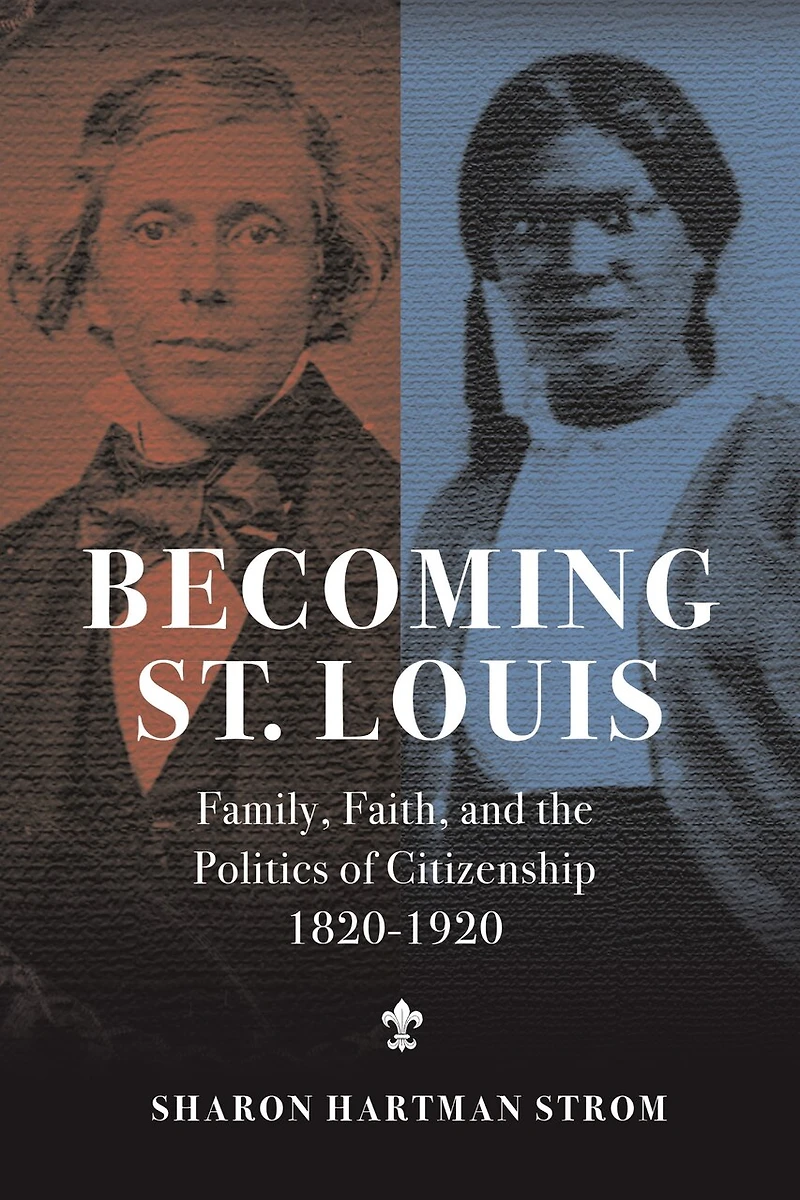
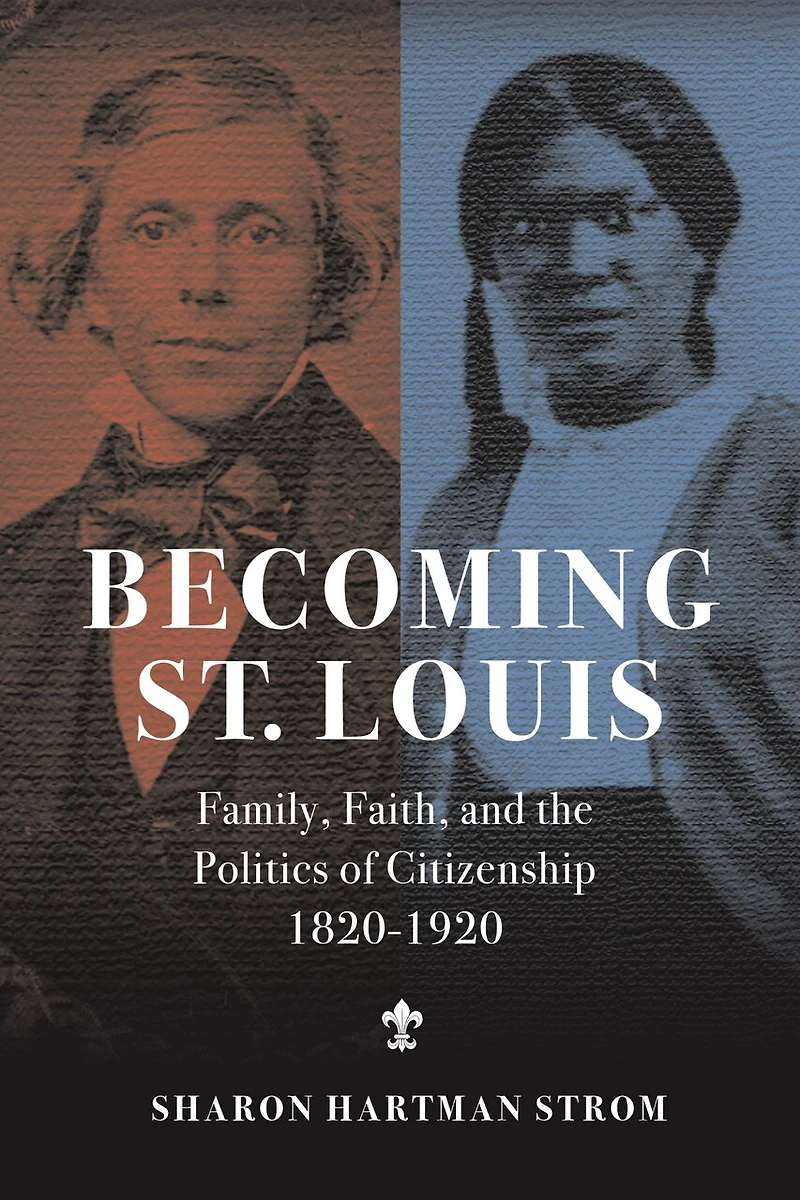
Becoming St. Louis: Family, Faith, and the Politics of Citizenship, 1820-1920 in Ottawa, ON
Current price: $143.00

Becoming St. Louis: Family, Faith, and the Politics of Citizenship, 1820-1920 in Ottawa, ON
Current price: $143.00
Loading Inventory...
Size: Hardcover
*Product information may vary - to confirm product availability, pricing, shipping and return information please contact Coles
St. Louis was the pivot of the free states and slave states and the border of the settled East and frontier West. Sharon Hartman Strom draws on disparate and previously untapped sources to weave the personal and public lives of women and both free and enslaved African Americans into city history. Strom’s analysis shows how the embrace of Protestantism by people of color sparked a vigorous antislavery movement. During the Civil War, several prominent citizens served in the Lincoln cabinet and Congress while Missouri’s decision to remain in the Union allowed the city to find its own ways to end slavery and grant citizenship to African Americans. Years later, biracial movements to advance equality collapsed when the East St. Louis race riot of 1917 affirmed that racist attitudes and structures still dominated the region. Illuminating and nuanced, Becoming St. Louis offers a diverse social and political history of the city during a transformative era.
St. Louis was the pivot of the free states and slave states and the border of the settled East and frontier West. Sharon Hartman Strom draws on disparate and previously untapped sources to weave the personal and public lives of women and both free and enslaved African Americans into city history. Strom’s analysis shows how the embrace of Protestantism by people of color sparked a vigorous antislavery movement. During the Civil War, several prominent citizens served in the Lincoln cabinet and Congress while Missouri’s decision to remain in the Union allowed the city to find its own ways to end slavery and grant citizenship to African Americans. Years later, biracial movements to advance equality collapsed when the East St. Louis race riot of 1917 affirmed that racist attitudes and structures still dominated the region. Illuminating and nuanced, Becoming St. Louis offers a diverse social and political history of the city during a transformative era.
You May Also Like











More About Coles at Bayshore Shopping Centre
Coles is renowned for its outstanding customer service and great selection of books. Along with the vast array of magazines, stationary, audio-books, children's literature, fiction, non-fiction and reference books, you can find accessories to make your reading experience more pleasurable. We can recommend the very best in reading today. We will help you search our titles for exactly what you need, and if we do not have it in stock, we will order it for you.
100 Bayshore Dr, Nepean, ON K2B 8C1, Canada
Find Coles at Bayshore Shopping Centre in Ottawa, ON
Visit Coles at Bayshore Shopping Centre in Ottawa, ON