

Give the Gift of Choice!
Too many options? Treat your friends and family to their favourite stores with a Bayshore Shopping Centre gift card, redeemable at participating retailers throughout the centre. Click below to purchase yours today!Purchase HereHome
Becoming the New Man in Post-Postmodernist Fiction - Portrayals of Masculinities in David Foster Wallace's Infinite Jest and Chuck Palahniuk's Fight Club
Coles
Loading Inventory...
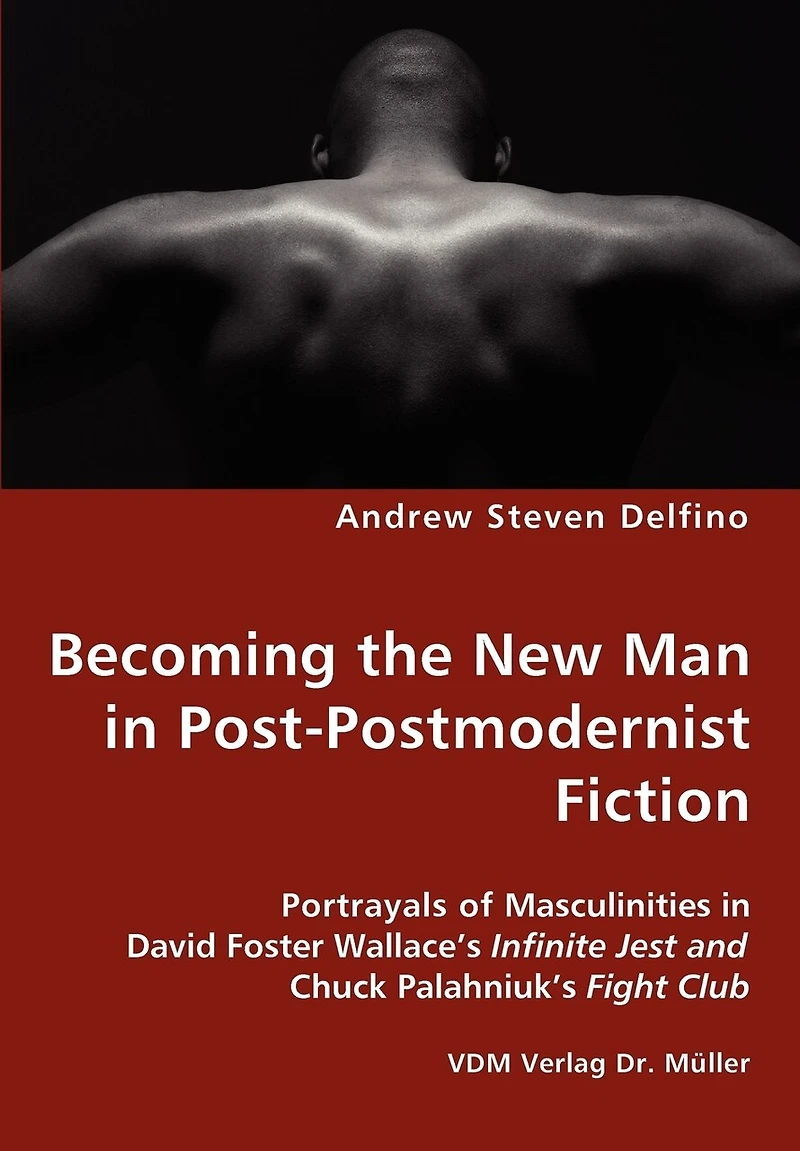
Becoming the New Man in Post-Postmodernist Fiction - Portrayals of Masculinities in David Foster Wallace's Infinite Jest and Chuck Palahniuk's Fight Club in Ottawa, ON
Current price: $68.95

Becoming the New Man in Post-Postmodernist Fiction - Portrayals of Masculinities in David Foster Wallace's Infinite Jest and Chuck Palahniuk's Fight Club in Ottawa, ON
Current price: $68.95
Loading Inventory...
Size: Paperback
*Product information may vary - to confirm product availability, pricing, shipping and return information please contact Coles
While scholars have analyzed the masculinity crisis portrayed in American fiction, few have focused on postmodernist fiction, few have examined masculinity without using feminist theory, and no articles propose a solution for ending traditional masculinity's dominance. I examine the masculinity crisis as it is portrayed in two postmodernist novels, David Foster Wallace's novel Infinite Jest and Chuck Palahniuk's novel Fight Club. Both novels have male characters that ran the gamut of masculinities, but those that are the most successful at avoiding gender stereotypes develop a masculinity which incorporates strong, phallic masculinity and nurturing, testicular masculinity, creating a balanced masculinity. Also, both novels examine postmodernist fiction's future. Wallace and Palahniuk help reveal the future of postmodernist fiction: a post-postmodernist fiction that, like well-rounded masculinity, seeks to be more emotionally open while still using irony and innovation for meaningful effects, not just to be clever. This book aims to help gender scholars further develop their theories about masculinity, and show literature scholars the future of postmodernist fiction.
While scholars have analyzed the masculinity crisis portrayed in American fiction, few have focused on postmodernist fiction, few have examined masculinity without using feminist theory, and no articles propose a solution for ending traditional masculinity's dominance. I examine the masculinity crisis as it is portrayed in two postmodernist novels, David Foster Wallace's novel Infinite Jest and Chuck Palahniuk's novel Fight Club. Both novels have male characters that ran the gamut of masculinities, but those that are the most successful at avoiding gender stereotypes develop a masculinity which incorporates strong, phallic masculinity and nurturing, testicular masculinity, creating a balanced masculinity. Also, both novels examine postmodernist fiction's future. Wallace and Palahniuk help reveal the future of postmodernist fiction: a post-postmodernist fiction that, like well-rounded masculinity, seeks to be more emotionally open while still using irony and innovation for meaningful effects, not just to be clever. This book aims to help gender scholars further develop their theories about masculinity, and show literature scholars the future of postmodernist fiction.
You May Also Like













More About Coles at Bayshore Shopping Centre
Coles is renowned for its outstanding customer service and great selection of books. Along with the vast array of magazines, stationary, audio-books, children's literature, fiction, non-fiction and reference books, you can find accessories to make your reading experience more pleasurable. We can recommend the very best in reading today. We will help you search our titles for exactly what you need, and if we do not have it in stock, we will order it for you.
100 Bayshore Dr, Nepean, ON K2B 8C1, Canada
Find Coles at Bayshore Shopping Centre in Ottawa, ON
Visit Coles at Bayshore Shopping Centre in Ottawa, ON