

Give the Gift of Choice!
Too many options? Treat your friends and family to their favourite stores with a Bayshore Shopping Centre gift card, redeemable at participating retailers throughout the centre. Click below to purchase yours today!Purchase HereHome
Before Sunset: Ice-Age Amazonian Rock Art and Archaeoastronomy at the Younger Dryas
Coles
Loading Inventory...
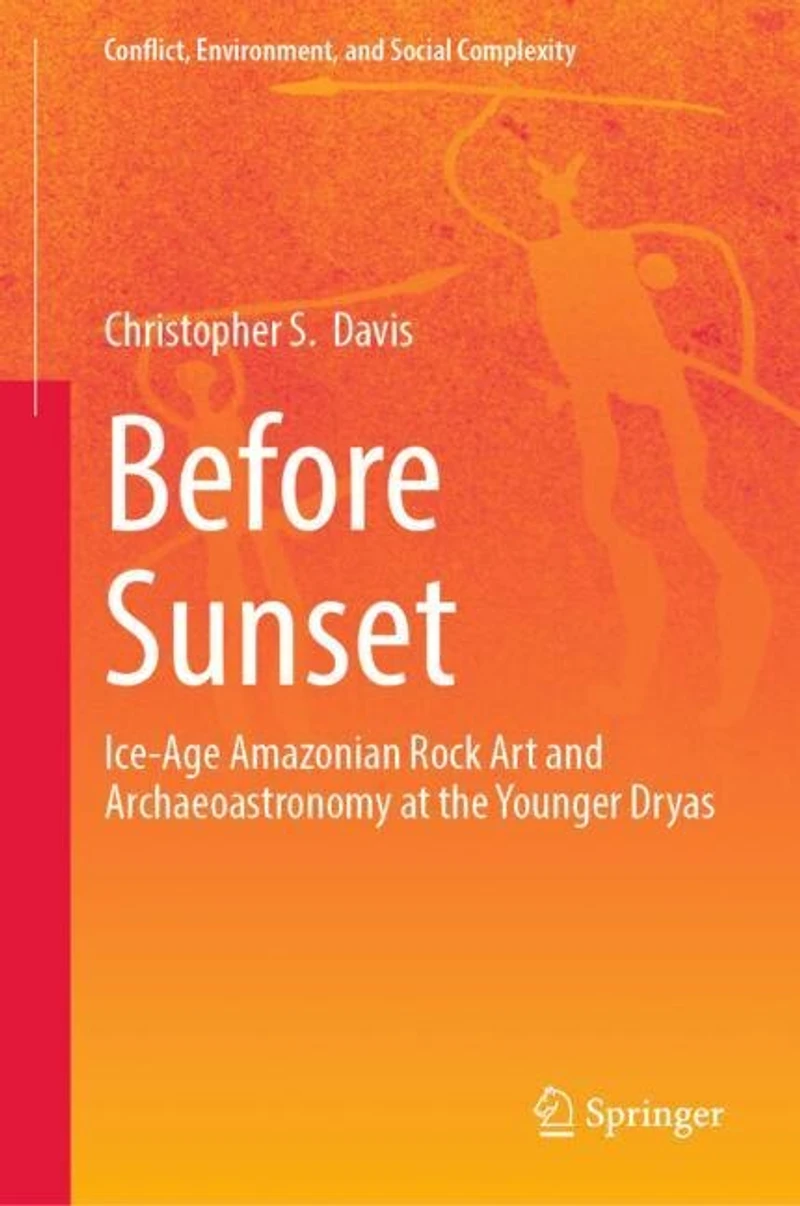
Before Sunset: Ice-Age Amazonian Rock Art and Archaeoastronomy at the Younger Dryas in Ottawa, ON
Current price: $204.50

Before Sunset: Ice-Age Amazonian Rock Art and Archaeoastronomy at the Younger Dryas in Ottawa, ON
Current price: $204.50
Loading Inventory...
Size: Hardcover
*Product information may vary - to confirm product availability, pricing, shipping and return information please contact Coles
Through a presentation of the oldest rock art dated in the Americas, located in Monte Alegre, Brazil, this book analyzes an ancient ecological-astronomy strategy that theoretically made the rapid human migration in the Americas successful. It helps answer two vital questions long held by scholars and the general public alike: How did humans survive the rapid and massive climate changes at the end of the ice age? And how did founding populations (especially in the Americas) manage successful settlement, relatively rapidly, in ecosystems entirely foreign to them? It further initiates questions about the universal role that astronomy (and even astrology) might have played in cognitive human evolution and the success of burgeoning sedentism and eventual "civilization" throughout the world. The book makes a substantial contribution because of the wealth of cultural information it provides from Monte Alegre. It explains the author's analysis of pictographs, lithics, and landscape modifications that were excavated there and provides novel findings on the chronology and archaeoastronomy of the art. This book is indispensable for courses about Paleoindians, peopling of the Americas, environmental anthropology, cosmology, rock art studies, archeoastronomy, paleoecology, paleoethnobotany, and Amazonia. The pan-American indications of this work will appeal to archaeologists, historians, art historians, folklorists, Native American and Indigenous scholars, evolutionists, cognitive scientists, geographers, and the general public.
Through a presentation of the oldest rock art dated in the Americas, located in Monte Alegre, Brazil, this book analyzes an ancient ecological-astronomy strategy that theoretically made the rapid human migration in the Americas successful. It helps answer two vital questions long held by scholars and the general public alike: How did humans survive the rapid and massive climate changes at the end of the ice age? And how did founding populations (especially in the Americas) manage successful settlement, relatively rapidly, in ecosystems entirely foreign to them? It further initiates questions about the universal role that astronomy (and even astrology) might have played in cognitive human evolution and the success of burgeoning sedentism and eventual "civilization" throughout the world. The book makes a substantial contribution because of the wealth of cultural information it provides from Monte Alegre. It explains the author's analysis of pictographs, lithics, and landscape modifications that were excavated there and provides novel findings on the chronology and archaeoastronomy of the art. This book is indispensable for courses about Paleoindians, peopling of the Americas, environmental anthropology, cosmology, rock art studies, archeoastronomy, paleoecology, paleoethnobotany, and Amazonia. The pan-American indications of this work will appeal to archaeologists, historians, art historians, folklorists, Native American and Indigenous scholars, evolutionists, cognitive scientists, geographers, and the general public.
You May Also Like












More About Coles at Bayshore Shopping Centre
Coles is renowned for its outstanding customer service and great selection of books. Along with the vast array of magazines, stationary, audio-books, children's literature, fiction, non-fiction and reference books, you can find accessories to make your reading experience more pleasurable. We can recommend the very best in reading today. We will help you search our titles for exactly what you need, and if we do not have it in stock, we will order it for you.
100 Bayshore Dr, Nepean, ON K2B 8C1, Canada
Find Coles at Bayshore Shopping Centre in Ottawa, ON
Visit Coles at Bayshore Shopping Centre in Ottawa, ON