

Give the Gift of Choice!
Too many options? Treat your friends and family to their favourite stores with a Bayshore Shopping Centre gift card, redeemable at participating retailers throughout the centre. Click below to purchase yours today!Purchase HereHome
Before the Bible: Liturgical Body and Formation of Scriptures early Judaism
Coles
Loading Inventory...
Before the Bible: Liturgical Body and Formation of Scriptures early Judaism in Ottawa, ON
Current price: $81.50

Before the Bible: Liturgical Body and Formation of Scriptures early Judaism in Ottawa, ON
Current price: $81.50
Loading Inventory...
Size: Hardcover
*Product information may vary - to confirm product availability, pricing, shipping and return information please contact Coles
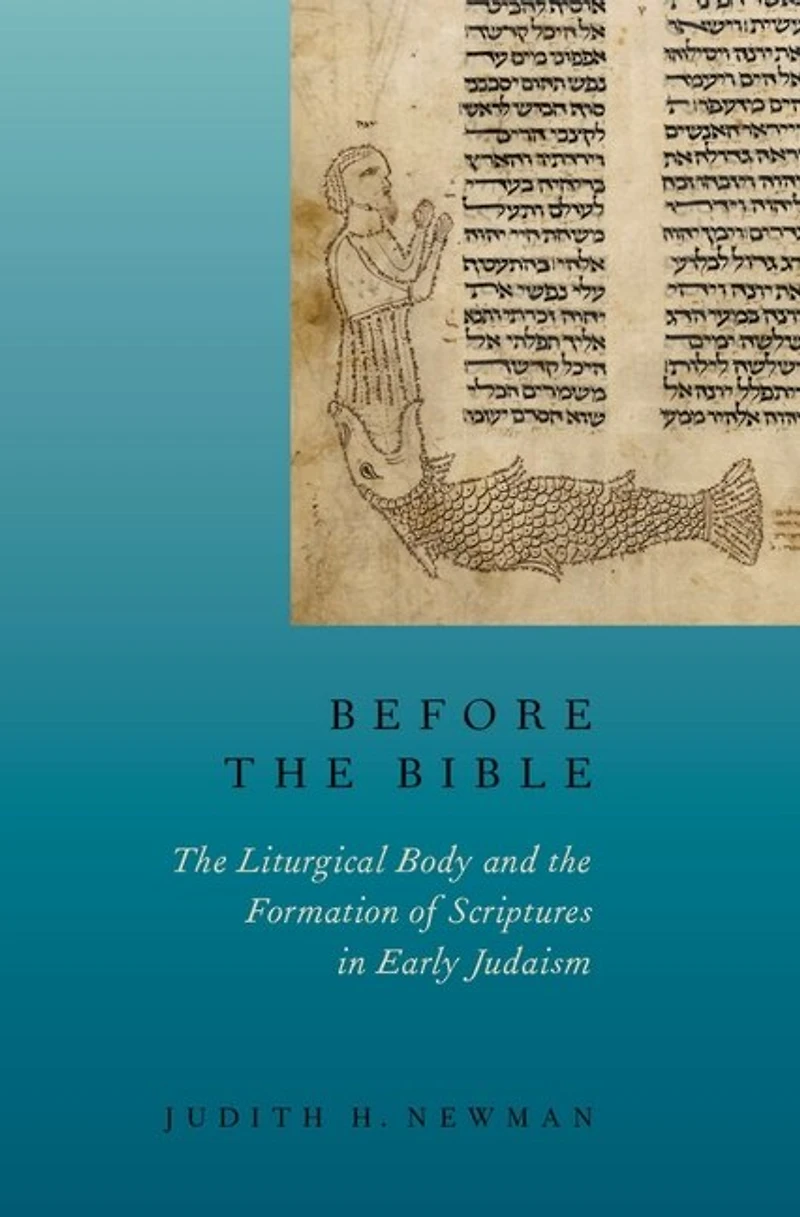
Before the Bible reveals the landscape of scripture in an era prior to the crystallization of the rabbinic Bible and the canonization of the Christian Bible. Most accounts of the formation of the Hebrew Bible trace the origins of scripture through source critical excavation of the archaeological "tel" of the Bible or the analysis of the scribal hand on manuscripts in text-critical work, but the discoveries in the Dead Sea Scrolls have transformed our understanding of scripture formation. Judith Newman focuses not on the putative origins and closure of the Bible, but on the reasons why scriptures remained open, with pluriform growth in the Hellenistic-Roman period.
Drawing on new methods from cognitive neuroscience and the social sciences as well as traditional philological and literary analysis, Before the Bible argues that the key to understanding the formation of scripture is the widespread practice of individual and communal prayer in early Judaism. The figure of the teacher as a learned and pious sage capable of interpreting and embodying the tradition is central to understanding this revelatory phenomenon. The book considers the entwinement of prayer and scriptural formation in five books reflecting the diversity of early Judaism: Ben Sira, Daniel, Jeremiah/Baruch, Second Corinthians, and the Qumran Hodayot (Thanksgiving Hymns). While not a complete taxonomy of scripture formation, the book illuminates performative dynamics that have been largely ignored as well as the generative role of interpretive tradition in accounts of how the Bible came to be.
Before the Bible reveals the landscape of scripture in an era prior to the crystallization of the rabbinic Bible and the canonization of the Christian Bible. Most accounts of the formation of the Hebrew Bible trace the origins of scripture through source critical excavation of the archaeological "tel" of the Bible or the analysis of the scribal hand on manuscripts in text-critical work, but the discoveries in the Dead Sea Scrolls have transformed our understanding of scripture formation. Judith Newman focuses not on the putative origins and closure of the Bible, but on the reasons why scriptures remained open, with pluriform growth in the Hellenistic-Roman period.
Drawing on new methods from cognitive neuroscience and the social sciences as well as traditional philological and literary analysis, Before the Bible argues that the key to understanding the formation of scripture is the widespread practice of individual and communal prayer in early Judaism. The figure of the teacher as a learned and pious sage capable of interpreting and embodying the tradition is central to understanding this revelatory phenomenon. The book considers the entwinement of prayer and scriptural formation in five books reflecting the diversity of early Judaism: Ben Sira, Daniel, Jeremiah/Baruch, Second Corinthians, and the Qumran Hodayot (Thanksgiving Hymns). While not a complete taxonomy of scripture formation, the book illuminates performative dynamics that have been largely ignored as well as the generative role of interpretive tradition in accounts of how the Bible came to be.
You May Also Like







More About Coles at Bayshore Shopping Centre
Coles is renowned for its outstanding customer service and great selection of books. Along with the vast array of magazines, stationary, audio-books, children's literature, fiction, non-fiction and reference books, you can find accessories to make your reading experience more pleasurable. We can recommend the very best in reading today. We will help you search our titles for exactly what you need, and if we do not have it in stock, we will order it for you.
100 Bayshore Dr, Nepean, ON K2B 8C1, Canada
Find Coles at Bayshore Shopping Centre in Ottawa, ON
Visit Coles at Bayshore Shopping Centre in Ottawa, ON