

Give the Gift of Choice!
Too many options? Treat your friends and family to their favourite stores with a Bayshore Shopping Centre gift card, redeemable at participating retailers throughout the centre. Click below to purchase yours today!Purchase HereHome
Behavioral Economics for Cost-Benefit Analysis: Benefit Validity When Sovereign Consumers Seem to Make Mistakes
Coles
Loading Inventory...
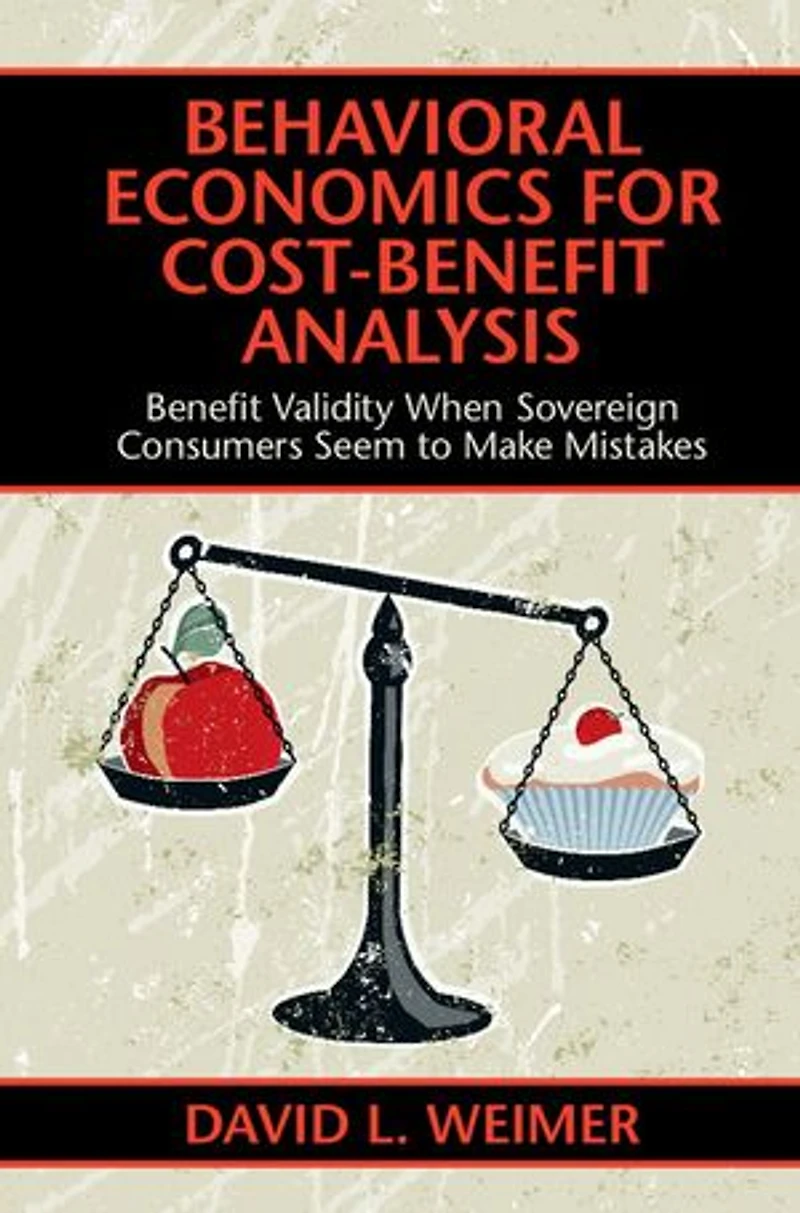
Behavioral Economics for Cost-Benefit Analysis: Benefit Validity When Sovereign Consumers Seem to Make Mistakes in Ottawa, ON
Current price: $37.59
Original price: $46.95

Behavioral Economics for Cost-Benefit Analysis: Benefit Validity When Sovereign Consumers Seem to Make Mistakes in Ottawa, ON
Current price: $37.59
Original price: $46.95
Loading Inventory...
Size: Kobo eBook
*Product information may vary - to confirm product availability, pricing, shipping and return information please contact Coles
How should policy analysts assess 'benefit validity' when behavioral anomalies appear relevant? David L. Weimer provides thoughtful answers through practical guidelines. Behavioral economists have identified a number of situations in which people appear not to behave according to the neoclassical assumptions underpinning welfare economics and its application to the assessment of the efficiency of proposed public policies through cost-benefit analysis. This book introduces the concept of benefit validity as a criterion for estimating benefits from observed or stated preference studies, and provides practical guidelines to help analysts accommodate behavioral findings. It considers benefit validity in four areas: violations of expected utility theory, unexpectedly large differences between willingness to pay and willingness to accept, non-exponential discounting, and harmful addiction. In addition to its immediate value to practicing policy analysts, it helps behavioral economists identify issues where their research programs can make practical contributions to better policy analysis.
How should policy analysts assess 'benefit validity' when behavioral anomalies appear relevant? David L. Weimer provides thoughtful answers through practical guidelines. Behavioral economists have identified a number of situations in which people appear not to behave according to the neoclassical assumptions underpinning welfare economics and its application to the assessment of the efficiency of proposed public policies through cost-benefit analysis. This book introduces the concept of benefit validity as a criterion for estimating benefits from observed or stated preference studies, and provides practical guidelines to help analysts accommodate behavioral findings. It considers benefit validity in four areas: violations of expected utility theory, unexpectedly large differences between willingness to pay and willingness to accept, non-exponential discounting, and harmful addiction. In addition to its immediate value to practicing policy analysts, it helps behavioral economists identify issues where their research programs can make practical contributions to better policy analysis.
You May Also Like










More About Coles at Bayshore Shopping Centre
Coles is renowned for its outstanding customer service and great selection of books. Along with the vast array of magazines, stationary, audio-books, children's literature, fiction, non-fiction and reference books, you can find accessories to make your reading experience more pleasurable. We can recommend the very best in reading today. We will help you search our titles for exactly what you need, and if we do not have it in stock, we will order it for you.
100 Bayshore Dr, Nepean, ON K2B 8C1, Canada
Find Coles at Bayshore Shopping Centre in Ottawa, ON
Visit Coles at Bayshore Shopping Centre in Ottawa, ON