

Give the Gift of Choice!
Too many options? Treat your friends and family to their favourite stores with a Bayshore Shopping Centre gift card, redeemable at participating retailers throughout the centre. Click below to purchase yours today!Purchase HereHome
Behind The Angel of History: "Angelus Novus" and Its Interleaf
Coles
Loading Inventory...
Behind The Angel of History: "Angelus Novus" and Its Interleaf in Ottawa, ON
Current price: $52.00

Behind The Angel of History: "Angelus Novus" and Its Interleaf in Ottawa, ON
Current price: $52.00
Loading Inventory...
Size: Hardcover
*Product information may vary - to confirm product availability, pricing, shipping and return information please contact Coles
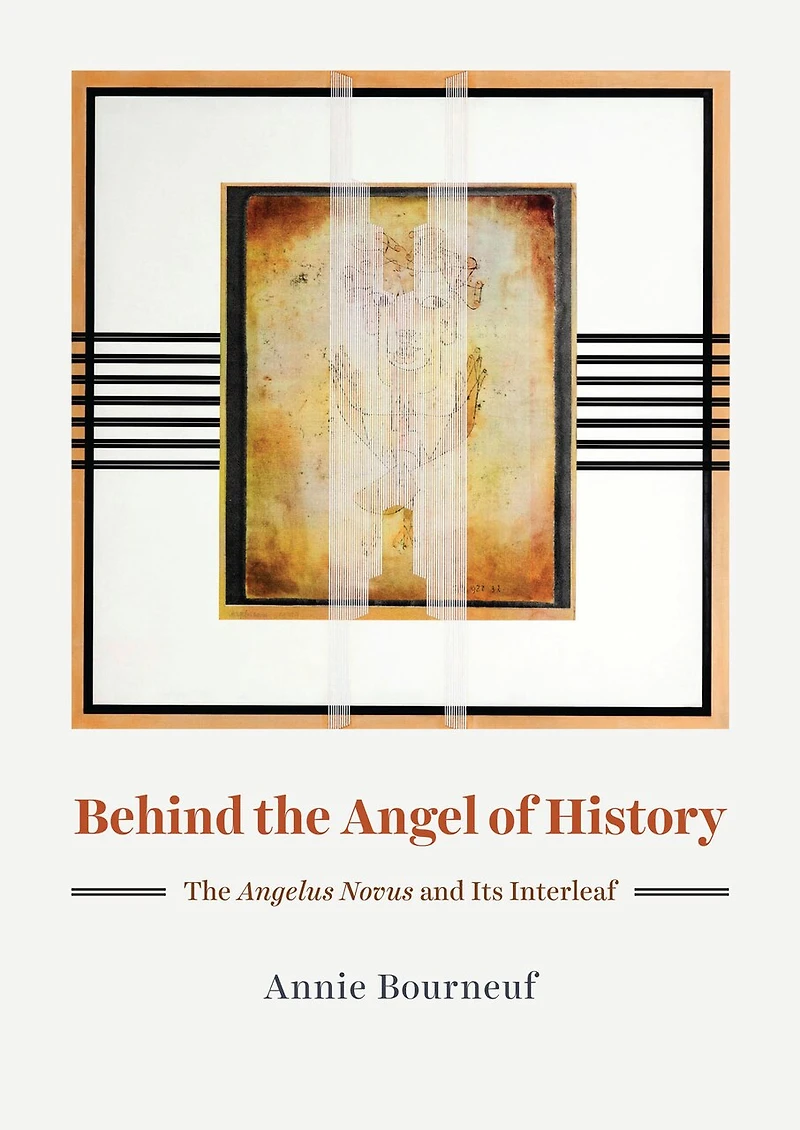
The story of artist R. H. Quaytman’s discovery of an engraving hidden behind a famous artwork by Paul Klee.
This book begins with artist R. H. Quaytman uncovering something startling about a picture by Paul Klee. Pasted beneath Klee’s 1920 Angelus Novus —famous for its role in the writings of its first owner, Walter Benjamin—Quaytman found that Klee had interleaved a nineteenth-century engraving of Martin Luther, leaving just enough visible to provoke questions.
Behind the Angel of History reveals why this hidden face matters, delving into the intertwined artistic, political, and theological issues consuming Germany in the wake of the Great War. With the Angelus Novus , Klee responded to a growing call for a new religious art. For Benjamin, Klee’s Angelus became bound up with the prospect of meaningful dialogue among religions in Germany.
Reflecting on Klee’s, Benjamin’s, and Quaytman’s strategies of superimposing conflicting images, Annie Bourneuf reveals new dimensions of complexity in this iconic work and the writing it inspired.
The story of artist R. H. Quaytman’s discovery of an engraving hidden behind a famous artwork by Paul Klee.
This book begins with artist R. H. Quaytman uncovering something startling about a picture by Paul Klee. Pasted beneath Klee’s 1920 Angelus Novus —famous for its role in the writings of its first owner, Walter Benjamin—Quaytman found that Klee had interleaved a nineteenth-century engraving of Martin Luther, leaving just enough visible to provoke questions.
Behind the Angel of History reveals why this hidden face matters, delving into the intertwined artistic, political, and theological issues consuming Germany in the wake of the Great War. With the Angelus Novus , Klee responded to a growing call for a new religious art. For Benjamin, Klee’s Angelus became bound up with the prospect of meaningful dialogue among religions in Germany.
Reflecting on Klee’s, Benjamin’s, and Quaytman’s strategies of superimposing conflicting images, Annie Bourneuf reveals new dimensions of complexity in this iconic work and the writing it inspired.















More About Coles at Bayshore Shopping Centre
Coles is renowned for its outstanding customer service and great selection of books. Along with the vast array of magazines, stationary, audio-books, children's literature, fiction, non-fiction and reference books, you can find accessories to make your reading experience more pleasurable. We can recommend the very best in reading today. We will help you search our titles for exactly what you need, and if we do not have it in stock, we will order it for you.
100 Bayshore Dr, Nepean, ON K2B 8C1, Canada
Find Coles at Bayshore Shopping Centre in Ottawa, ON
Visit Coles at Bayshore Shopping Centre in Ottawa, ON