

Give the Gift of Choice!
Too many options? Treat your friends and family to their favourite stores with a Bayshore Shopping Centre gift card, redeemable at participating retailers throughout the centre. Click below to purchase yours today!Purchase HereHome
Behind the Iron Curtain: Economic Historians During the Cold War, 1945-1989
Coles
Loading Inventory...
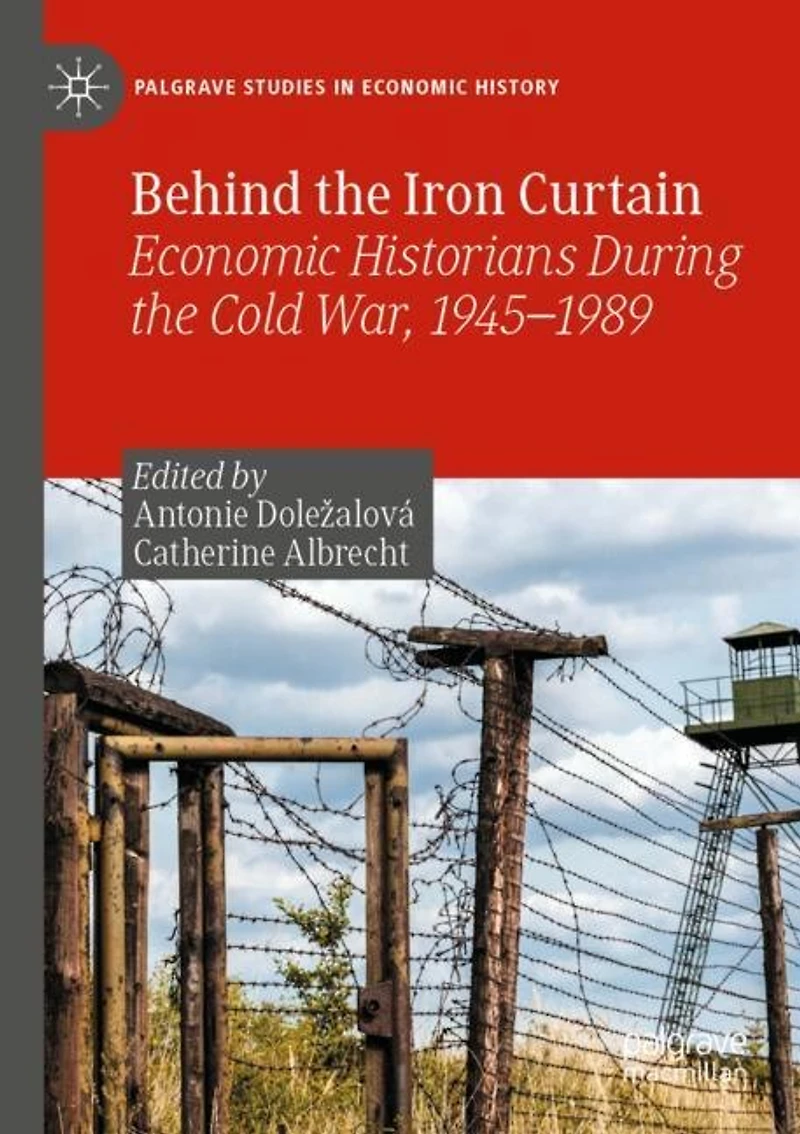
Behind the Iron Curtain: Economic Historians During the Cold War, 1945-1989 in Ottawa, ON
Current price: $291.95

Behind the Iron Curtain: Economic Historians During the Cold War, 1945-1989 in Ottawa, ON
Current price: $291.95
Loading Inventory...
Size: Paperback
*Product information may vary - to confirm product availability, pricing, shipping and return information please contact Coles
This edited volume offers a systematic exploration of the relations between Western and Eastern scientists during the Cold War from the Eastern European perspective using the example of economic history. Introducing famous as well as almost forgotten scholars who attempted to eliminate the Iron Curtain and strove to break through the obstacles against the transfer of scientific ideas, the book challenges the narrative of the non-cooperative nature of scientific work during the Cold War due to socialist scientists' incapability and disinclination to engage openly in international discussions. The book contributes to a deeper collective understanding of the multiple contemporary ideological and political circumstances that influenced scientific work and individual scientists' careers and explores the options scientists in socialist countries had - and utilized - to develop their research in collaboration with their Western colleagues.
This edited volume offers a systematic exploration of the relations between Western and Eastern scientists during the Cold War from the Eastern European perspective using the example of economic history. Introducing famous as well as almost forgotten scholars who attempted to eliminate the Iron Curtain and strove to break through the obstacles against the transfer of scientific ideas, the book challenges the narrative of the non-cooperative nature of scientific work during the Cold War due to socialist scientists' incapability and disinclination to engage openly in international discussions. The book contributes to a deeper collective understanding of the multiple contemporary ideological and political circumstances that influenced scientific work and individual scientists' careers and explores the options scientists in socialist countries had - and utilized - to develop their research in collaboration with their Western colleagues.
You May Also Like
















More About Coles at Bayshore Shopping Centre
Coles is renowned for its outstanding customer service and great selection of books. Along with the vast array of magazines, stationary, audio-books, children's literature, fiction, non-fiction and reference books, you can find accessories to make your reading experience more pleasurable. We can recommend the very best in reading today. We will help you search our titles for exactly what you need, and if we do not have it in stock, we will order it for you.
100 Bayshore Dr, Nepean, ON K2B 8C1, Canada
Find Coles at Bayshore Shopping Centre in Ottawa, ON
Visit Coles at Bayshore Shopping Centre in Ottawa, ON