

Give the Gift of Choice!
Too many options? Treat your friends and family to their favourite stores with a Bayshore Shopping Centre gift card, redeemable at participating retailers throughout the centre. Click below to purchase yours today!Purchase HereHome
Being Understood: Deaf Interpreters, Embodied Language and Relationality
Coles
Loading Inventory...
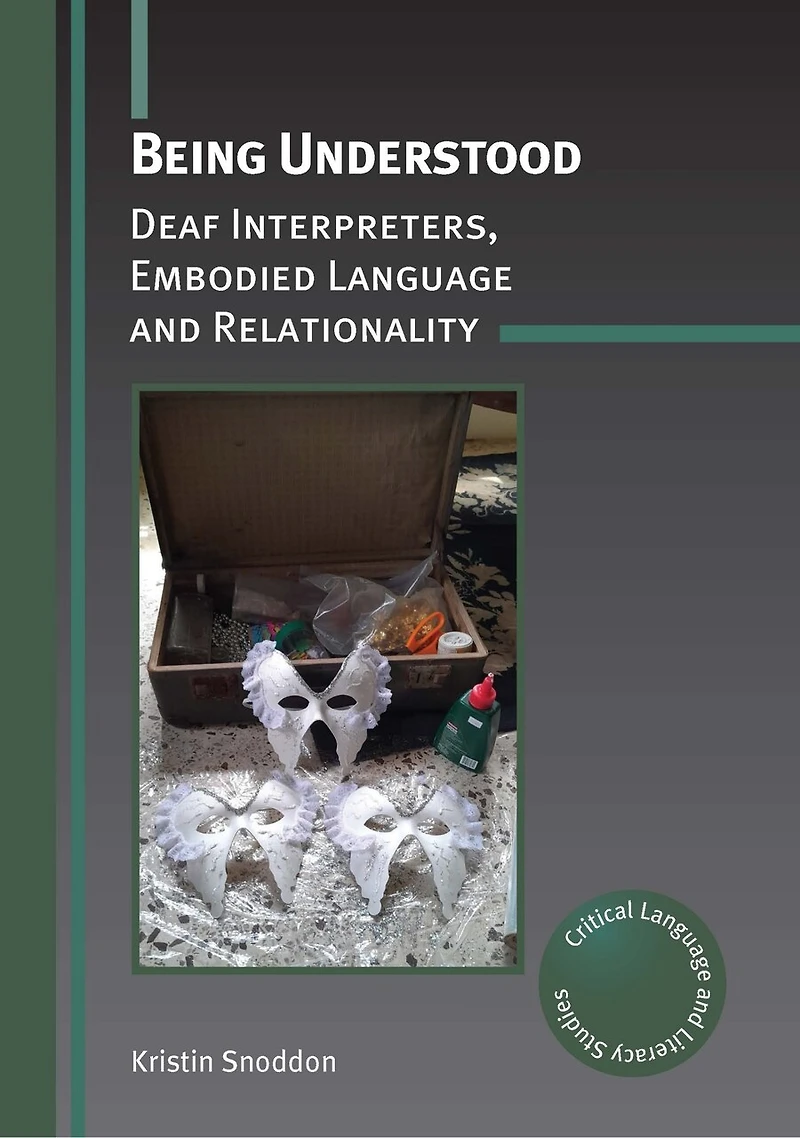
Being Understood: Deaf Interpreters, Embodied Language and Relationality in Ottawa, ON
Current price: $184.95

Being Understood: Deaf Interpreters, Embodied Language and Relationality in Ottawa, ON
Current price: $184.95
Loading Inventory...
Size: Hardcover
*Product information may vary - to confirm product availability, pricing, shipping and return information please contact Coles
Experiences of not understanding and not being understood during interactions are a pervasive aspect of life for many deaf people, so ensuring understanding becomes a moral imperative in deaf worlds and part of deaf ontologies. Through a series of linked applied linguistics studies regarding the primacy of text, signing songs, the mediation practices of deaf interpreters and Caribbean deaf epistemologies of language and understanding, this book outlines theoretical and methodological approaches to analyzing deaf people’s experiences of understanding and being understood. These are grounded in a Continental philosophy of language and qualitative methods including autoethnography, interpretative interviews and phenomenology. The book explores issues surrounding linguistic and semiotic repertoires; access and affordances; orientation, sociality and power; and mediated communication. Ultimately, it reveals both the workings of epistemic injustice related to deaf signers and ways of understanding and being understood that extend beyond named languages.
Experiences of not understanding and not being understood during interactions are a pervasive aspect of life for many deaf people, so ensuring understanding becomes a moral imperative in deaf worlds and part of deaf ontologies. Through a series of linked applied linguistics studies regarding the primacy of text, signing songs, the mediation practices of deaf interpreters and Caribbean deaf epistemologies of language and understanding, this book outlines theoretical and methodological approaches to analyzing deaf people’s experiences of understanding and being understood. These are grounded in a Continental philosophy of language and qualitative methods including autoethnography, interpretative interviews and phenomenology. The book explores issues surrounding linguistic and semiotic repertoires; access and affordances; orientation, sociality and power; and mediated communication. Ultimately, it reveals both the workings of epistemic injustice related to deaf signers and ways of understanding and being understood that extend beyond named languages.
You May Also Like









More About Coles at Bayshore Shopping Centre
Coles is renowned for its outstanding customer service and great selection of books. Along with the vast array of magazines, stationary, audio-books, children's literature, fiction, non-fiction and reference books, you can find accessories to make your reading experience more pleasurable. We can recommend the very best in reading today. We will help you search our titles for exactly what you need, and if we do not have it in stock, we will order it for you.
100 Bayshore Dr, Nepean, ON K2B 8C1, Canada
Find Coles at Bayshore Shopping Centre in Ottawa, ON
Visit Coles at Bayshore Shopping Centre in Ottawa, ON