

Give the Gift of Choice!
Too many options? Treat your friends and family to their favourite stores with a Bayshore Shopping Centre gift card, redeemable at participating retailers throughout the centre. Click below to purchase yours today!Purchase HereHome
Beriberi Modern Japan: The Making of a National Disease
Coles
Loading Inventory...
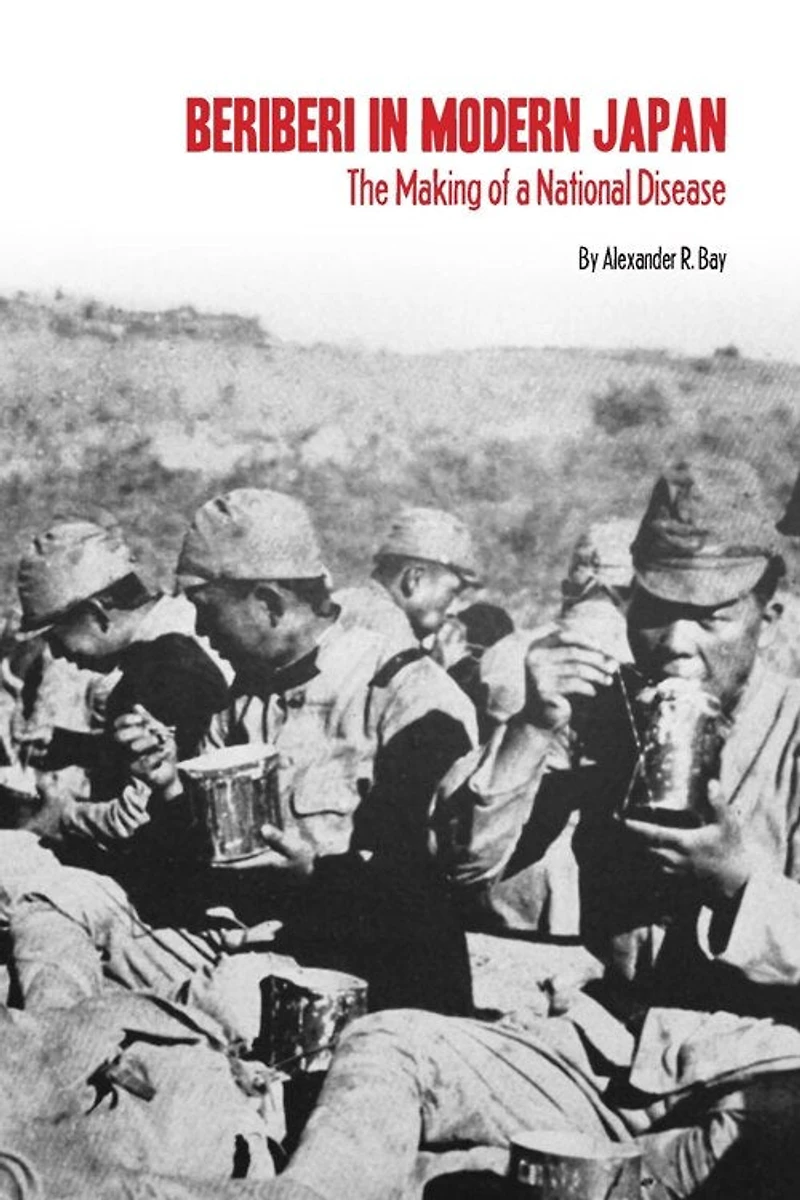
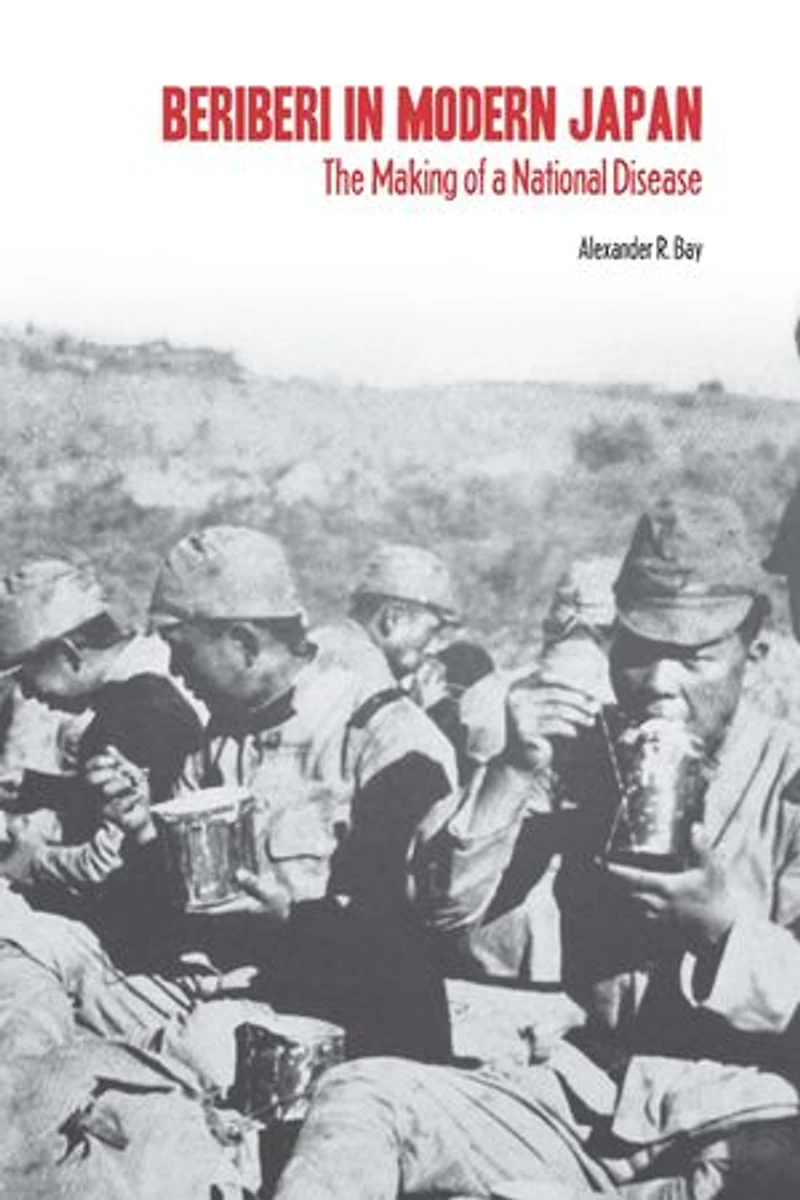
Beriberi Modern Japan: The Making of a National Disease in Ottawa, ON
Current price: $157.20

Beriberi Modern Japan: The Making of a National Disease in Ottawa, ON
Current price: $157.20
Loading Inventory...
Size: Hardcover
*Product information may vary - to confirm product availability, pricing, shipping and return information please contact Coles
The history of the medical and scientific debate about the etiology of the disease as it played out between diet theorists and contagionists from 1880 to 1940.
In modern Japan, beriberi (or thiamin deficiency) became a public health problem that cut across all social boundaries, afflicting even the Meiji Emperor. During an age of empire building for the Japanese nation, incidence rates in the military ranged from 30 percent in peacetime to 90 percent during war. Doctors and public health officials called beriberi a "national disease" because it festered within the bodies of the people and threatened the health ofthe empire. Nevertheless, they could not agree over what caused the disease, attributing it to a diet deficiency or a microbe.
In Beriberi in Modern Japan , Alexander R. Bay examines the debates over the etiologyof this "national disease" during the late nineteenth and early twentieth centuries. Etiological consensus came after World War I, but the struggle at the national level to direct beriberi prevention continued, peaking during wartime mobilization. War served as the context within which scientific knowledge of beriberi and its prevention was made. The story of beriberi research is not simply about the march toward the inevitable discovery of "the beriberi vitamin," but rather the history of the role of medicine in state-making and empire-building in modern Japan.
Alexander Bay is assistant professor of history at Chapman University.
The history of the medical and scientific debate about the etiology of the disease as it played out between diet theorists and contagionists from 1880 to 1940.
In modern Japan, beriberi (or thiamin deficiency) became a public health problem that cut across all social boundaries, afflicting even the Meiji Emperor. During an age of empire building for the Japanese nation, incidence rates in the military ranged from 30 percent in peacetime to 90 percent during war. Doctors and public health officials called beriberi a "national disease" because it festered within the bodies of the people and threatened the health ofthe empire. Nevertheless, they could not agree over what caused the disease, attributing it to a diet deficiency or a microbe.
In Beriberi in Modern Japan , Alexander R. Bay examines the debates over the etiologyof this "national disease" during the late nineteenth and early twentieth centuries. Etiological consensus came after World War I, but the struggle at the national level to direct beriberi prevention continued, peaking during wartime mobilization. War served as the context within which scientific knowledge of beriberi and its prevention was made. The story of beriberi research is not simply about the march toward the inevitable discovery of "the beriberi vitamin," but rather the history of the role of medicine in state-making and empire-building in modern Japan.
Alexander Bay is assistant professor of history at Chapman University.
You May Also Like









More About Coles at Bayshore Shopping Centre
Coles is renowned for its outstanding customer service and great selection of books. Along with the vast array of magazines, stationary, audio-books, children's literature, fiction, non-fiction and reference books, you can find accessories to make your reading experience more pleasurable. We can recommend the very best in reading today. We will help you search our titles for exactly what you need, and if we do not have it in stock, we will order it for you.
100 Bayshore Dr, Nepean, ON K2B 8C1, Canada
Find Coles at Bayshore Shopping Centre in Ottawa, ON
Visit Coles at Bayshore Shopping Centre in Ottawa, ON