

Give the Gift of Choice!
Too many options? Treat your friends and family to their favourite stores with a Bayshore Shopping Centre gift card, redeemable at participating retailers throughout the centre. Click below to purchase yours today!Purchase HereHome
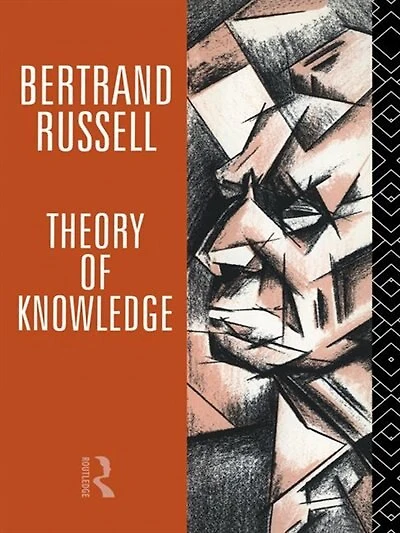
Bertrand Russell's Theory of Knowledge
Coles
Loading Inventory...
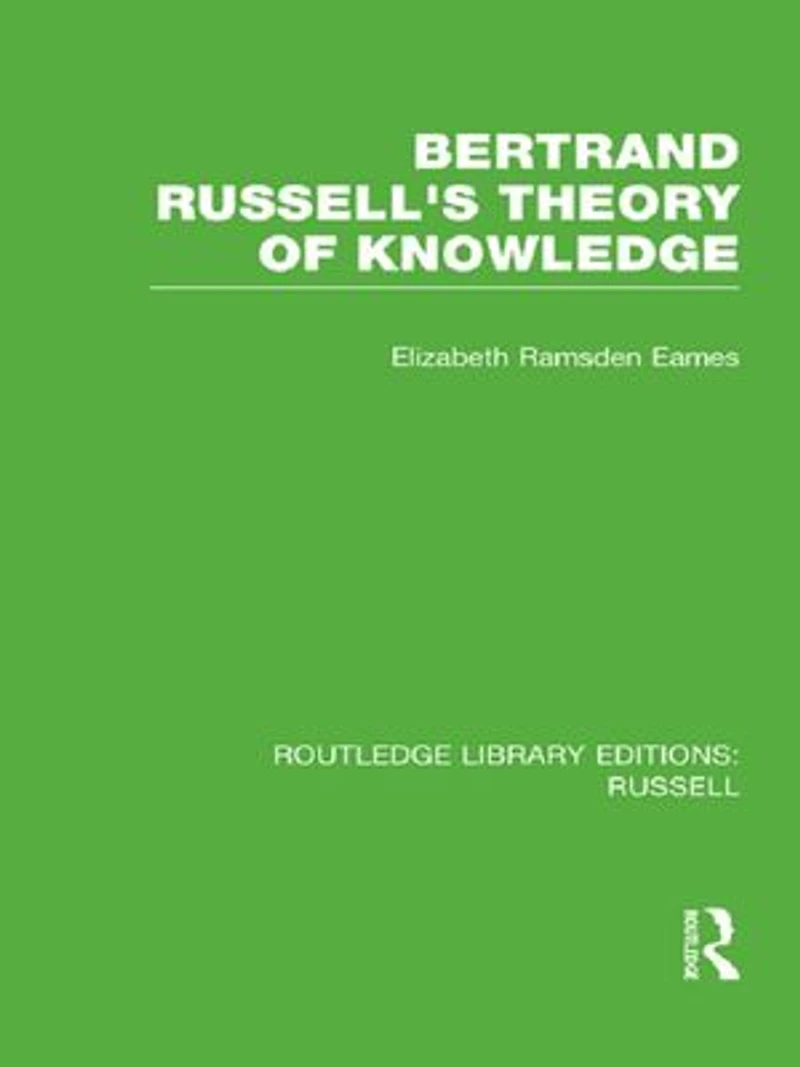
Bertrand Russell's Theory of Knowledge in Ottawa, ON
Current price: $89.56

Bertrand Russell's Theory of Knowledge in Ottawa, ON
Current price: $89.56
Loading Inventory...
Size: Kobo eBook
*Product information may vary - to confirm product availability, pricing, shipping and return information please contact Coles
When future generations come to analyze and survey twentieth-century philosophy as a whole, Bertrand Russell's logic and theory of knowledge is assured a place of prime importance. Yet until this book was first published in 1969 no comprehensive treatment of his epistemology had appeared. Commentators on twentieth-century philosophy at the time assumed that Russell's important contributions to the theory of knowledge were made before 1921. This book challenges that assumption and draws attention to features of Russell's later work which were overlooked. The analysis starts with Russell's earliest views and moves from book to book and article to article through his enormous span of writing on the problems and theory of knowledge. The changes in ideas as he developed the theory are traced, and the study culminates in a statement of his latest views. His work is seen in a continuity in which the changes were part of the development of his mature thought, and the total evaluation and interpretation clarify many of the common misunderstandings of his philosophy. This is naturally of interest to all philosophers, and for students this is the answer to inevitable questions on the nature of Russell's ideas and their evolution.
When future generations come to analyze and survey twentieth-century philosophy as a whole, Bertrand Russell's logic and theory of knowledge is assured a place of prime importance. Yet until this book was first published in 1969 no comprehensive treatment of his epistemology had appeared. Commentators on twentieth-century philosophy at the time assumed that Russell's important contributions to the theory of knowledge were made before 1921. This book challenges that assumption and draws attention to features of Russell's later work which were overlooked. The analysis starts with Russell's earliest views and moves from book to book and article to article through his enormous span of writing on the problems and theory of knowledge. The changes in ideas as he developed the theory are traced, and the study culminates in a statement of his latest views. His work is seen in a continuity in which the changes were part of the development of his mature thought, and the total evaluation and interpretation clarify many of the common misunderstandings of his philosophy. This is naturally of interest to all philosophers, and for students this is the answer to inevitable questions on the nature of Russell's ideas and their evolution.
You May Also Like









More About Coles at Bayshore Shopping Centre
Coles is renowned for its outstanding customer service and great selection of books. Along with the vast array of magazines, stationary, audio-books, children's literature, fiction, non-fiction and reference books, you can find accessories to make your reading experience more pleasurable. We can recommend the very best in reading today. We will help you search our titles for exactly what you need, and if we do not have it in stock, we will order it for you.
100 Bayshore Dr, Nepean, ON K2B 8C1, Canada
Find Coles at Bayshore Shopping Centre in Ottawa, ON
Visit Coles at Bayshore Shopping Centre in Ottawa, ON