

Give the Gift of Choice!
Too many options? Treat your friends and family to their favourite stores with a Bayshore Shopping Centre gift card, redeemable at participating retailers throughout the centre. Click below to purchase yours today!Purchase HereHome
Between Opposition and Collaboration: Nobles, Bishops, and the German Reformations in the Prince-Bishopric of Bamberg, 1555–1619
Coles
Loading Inventory...
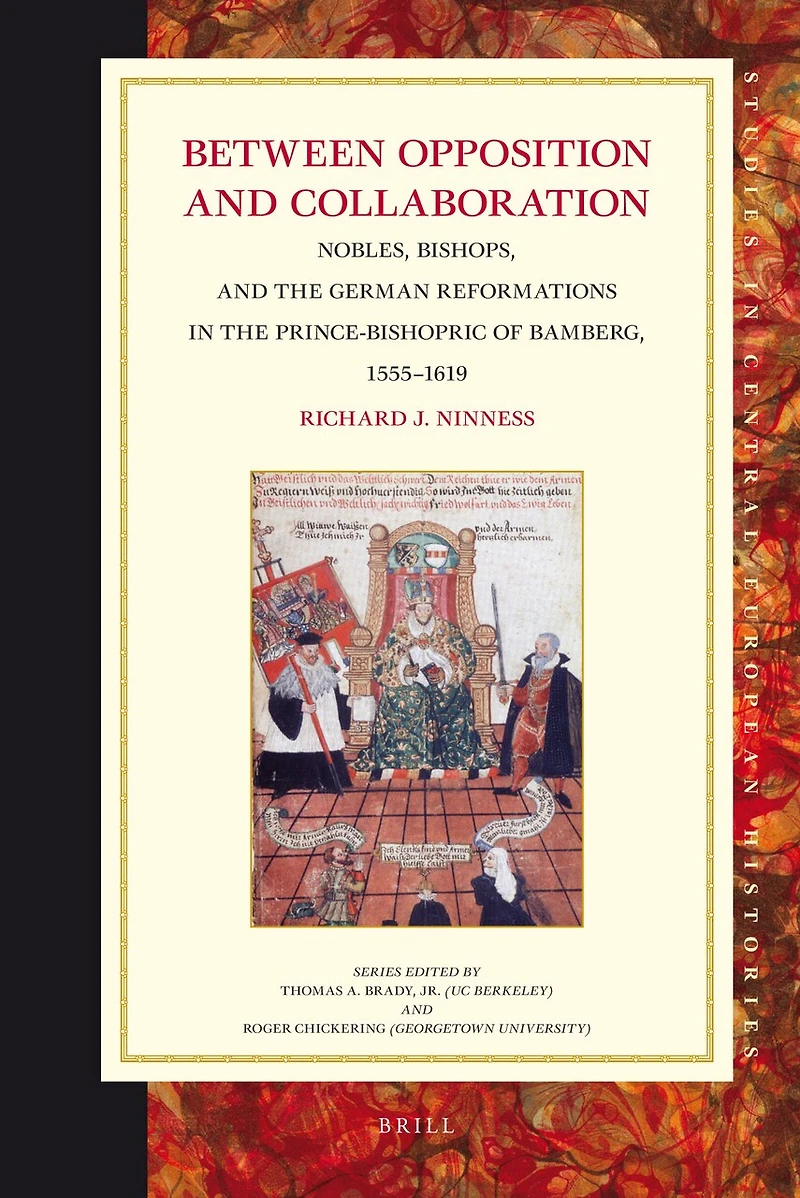
Between Opposition and Collaboration: Nobles, Bishops, and the German Reformations in the Prince-Bishopric of Bamberg, 1555–1619 in Ottawa, ON
Current price: $223.99

Between Opposition and Collaboration: Nobles, Bishops, and the German Reformations in the Prince-Bishopric of Bamberg, 1555–1619 in Ottawa, ON
Current price: $223.99
Loading Inventory...
Size: Hardcover
*Product information may vary - to confirm product availability, pricing, shipping and return information please contact Coles
This study of the Catholic Prince-Bishopric of Bamberg and its largely Protestant aristocracy demonstrates that shared family ties and traditional privilege could reduce religious based conflict. These findings raise fundamental questions about current interpretations of the Reformation era. Prince-bishops regularly appointed Lutheran nobles to administrative positions, and those Lutheran appointees served their Catholic overlords ably and loyally. Bamberg was a center for social interaction, business transactions, and career opportunities for aristocrats. As these nobles saw it, birthright and kinship ties made them suitable for service in the prince-bishopric. Catholic leaders concurred, confessional differences notwithstanding. This study tells the complicated story of how Lutheran nobles and their Catholic relatives struggled to maintain solidarity and cooperation during an era of religious strife and animosity
This study of the Catholic Prince-Bishopric of Bamberg and its largely Protestant aristocracy demonstrates that shared family ties and traditional privilege could reduce religious based conflict. These findings raise fundamental questions about current interpretations of the Reformation era. Prince-bishops regularly appointed Lutheran nobles to administrative positions, and those Lutheran appointees served their Catholic overlords ably and loyally. Bamberg was a center for social interaction, business transactions, and career opportunities for aristocrats. As these nobles saw it, birthright and kinship ties made them suitable for service in the prince-bishopric. Catholic leaders concurred, confessional differences notwithstanding. This study tells the complicated story of how Lutheran nobles and their Catholic relatives struggled to maintain solidarity and cooperation during an era of religious strife and animosity
















More About Coles at Bayshore Shopping Centre
Coles is renowned for its outstanding customer service and great selection of books. Along with the vast array of magazines, stationary, audio-books, children's literature, fiction, non-fiction and reference books, you can find accessories to make your reading experience more pleasurable. We can recommend the very best in reading today. We will help you search our titles for exactly what you need, and if we do not have it in stock, we will order it for you.
100 Bayshore Dr, Nepean, ON K2B 8C1, Canada
Find Coles at Bayshore Shopping Centre in Ottawa, ON
Visit Coles at Bayshore Shopping Centre in Ottawa, ON