

Give the Gift of Choice!
Too many options? Treat your friends and family to their favourite stores with a Bayshore Shopping Centre gift card, redeemable at participating retailers throughout the centre. Click below to purchase yours today!Purchase HereHome
Between Prometheism and Realpolitik: Poland and Soviet Ukraine, 1921-1926
Coles
Loading Inventory...
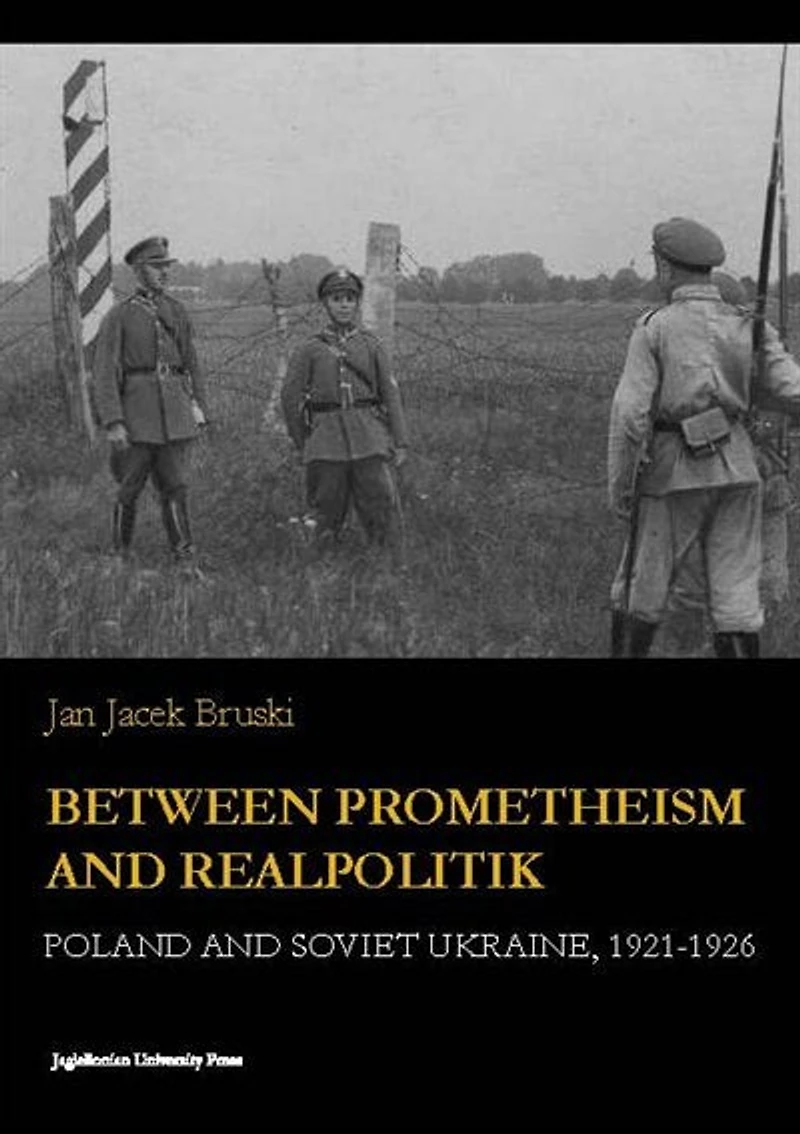
Between Prometheism and Realpolitik: Poland and Soviet Ukraine, 1921-1926 in Ottawa, ON
Current price: $72.00

Between Prometheism and Realpolitik: Poland and Soviet Ukraine, 1921-1926 in Ottawa, ON
Current price: $72.00
Loading Inventory...
Size: Paperback
*Product information may vary - to confirm product availability, pricing, shipping and return information please contact Coles
The Treaty of Riga of March 1921 did not signify real peace. It was soon followed by the outbreak of a Polish-Soviet cold war, which in the early 1920s threatened to reach a boiling point. One of the salient fronts on which it was fought was Ukraine and the Ukrainian question. The means by which it was waged – first by Poland, and subsequently, more successfully, by the Soviets – was by attempts to stir up centrifugal tendencies on enemy territory, leading eventually to the splitting up of the neighboring state along its national seams. Polish-Soviet rivalry over Ukraine had flared up at the Riga peace conference. In the following years both antagonists struggled to win over the sympathies of Ukrainians living on either side of the frontier River Zbrucz (Zbruch) and dispersed in various émigré centers, and the weapons employed were propaganda, diplomacy, nationalities policy, economic projects, political subterfuge, and armed irredentism. Jan Jacek Bruski's book addresses the first, very important phase of this Polish-Soviet tussle.
The Treaty of Riga of March 1921 did not signify real peace. It was soon followed by the outbreak of a Polish-Soviet cold war, which in the early 1920s threatened to reach a boiling point. One of the salient fronts on which it was fought was Ukraine and the Ukrainian question. The means by which it was waged – first by Poland, and subsequently, more successfully, by the Soviets – was by attempts to stir up centrifugal tendencies on enemy territory, leading eventually to the splitting up of the neighboring state along its national seams. Polish-Soviet rivalry over Ukraine had flared up at the Riga peace conference. In the following years both antagonists struggled to win over the sympathies of Ukrainians living on either side of the frontier River Zbrucz (Zbruch) and dispersed in various émigré centers, and the weapons employed were propaganda, diplomacy, nationalities policy, economic projects, political subterfuge, and armed irredentism. Jan Jacek Bruski's book addresses the first, very important phase of this Polish-Soviet tussle.
You May Also Like










More About Coles at Bayshore Shopping Centre
Coles is renowned for its outstanding customer service and great selection of books. Along with the vast array of magazines, stationary, audio-books, children's literature, fiction, non-fiction and reference books, you can find accessories to make your reading experience more pleasurable. We can recommend the very best in reading today. We will help you search our titles for exactly what you need, and if we do not have it in stock, we will order it for you.
100 Bayshore Dr, Nepean, ON K2B 8C1, Canada
Find Coles at Bayshore Shopping Centre in Ottawa, ON
Visit Coles at Bayshore Shopping Centre in Ottawa, ON