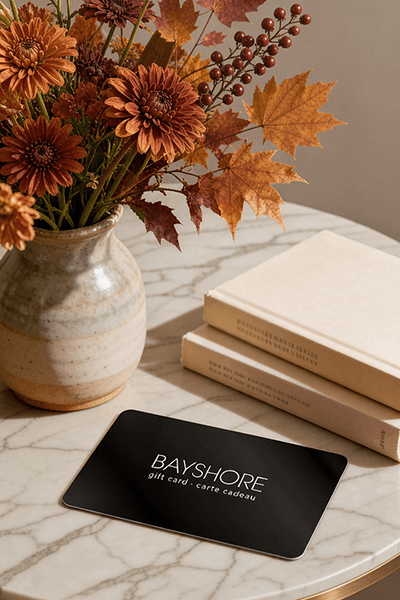
Too many options? Treat your friends and family to their favourite stores with a Bayshore Shopping Centre gift card, redeemable at participating retailers throughout the centre. Click below to purchase yours today!Purchase Here
*Product information may vary - to confirm product availability, pricing, shipping and return information please contact Coles
This edited volume compares the internal dimension, politics and society in Kurdistan-Iraq and Palestine. In particular, it focuses on internal processes in Kurdistan-Iraq and Palestine (Palestinian Territory of the West Bank and Gaza Strip) in their specific shaping, development and transformation. The contributing authors analyze the transformation processes of the internal power structures, the economic basics, and the civil societies and provide an overview of the current political, economic and societal situation and challenges in both regions. The book presents the similarities and differences between both de facto states with regard to a set of guidelines: legitimacy, power relations, transformation of politics and society. It provides empirical explanations and contributes to a better understanding of both de facto states.
This edited volume compares the internal dimension, politics and society in Kurdistan-Iraq and Palestine. In particular, it focuses on internal processes in Kurdistan-Iraq and Palestine (Palestinian Territory of the West Bank and Gaza Strip) in their specific shaping, development and transformation. The contributing authors analyze the transformation processes of the internal power structures, the economic basics, and the civil societies and provide an overview of the current political, economic and societal situation and challenges in both regions. The book presents the similarities and differences between both de facto states with regard to a set of guidelines: legitimacy, power relations, transformation of politics and society. It provides empirical explanations and contributes to a better understanding of both de facto states.
Coles is renowned for its outstanding customer service and great selection of books. Along with the vast array of magazines, stationary, audio-books, children's literature, fiction, non-fiction and reference books, you can find accessories to make your reading experience more pleasurable. We can recommend the very best in reading today. We will help you search our titles for exactly what you need, and if we do not have it in stock, we will order it for you.