

Give the Gift of Choice!
Too many options? Treat your friends and family to their favourite stores with a Bayshore Shopping Centre gift card, redeemable at participating retailers throughout the centre. Click below to purchase yours today!Purchase HereHome
Beyond Emasculation: Pleasure And Power In The Making Of Hijra In Bangladesh
Coles
Loading Inventory...
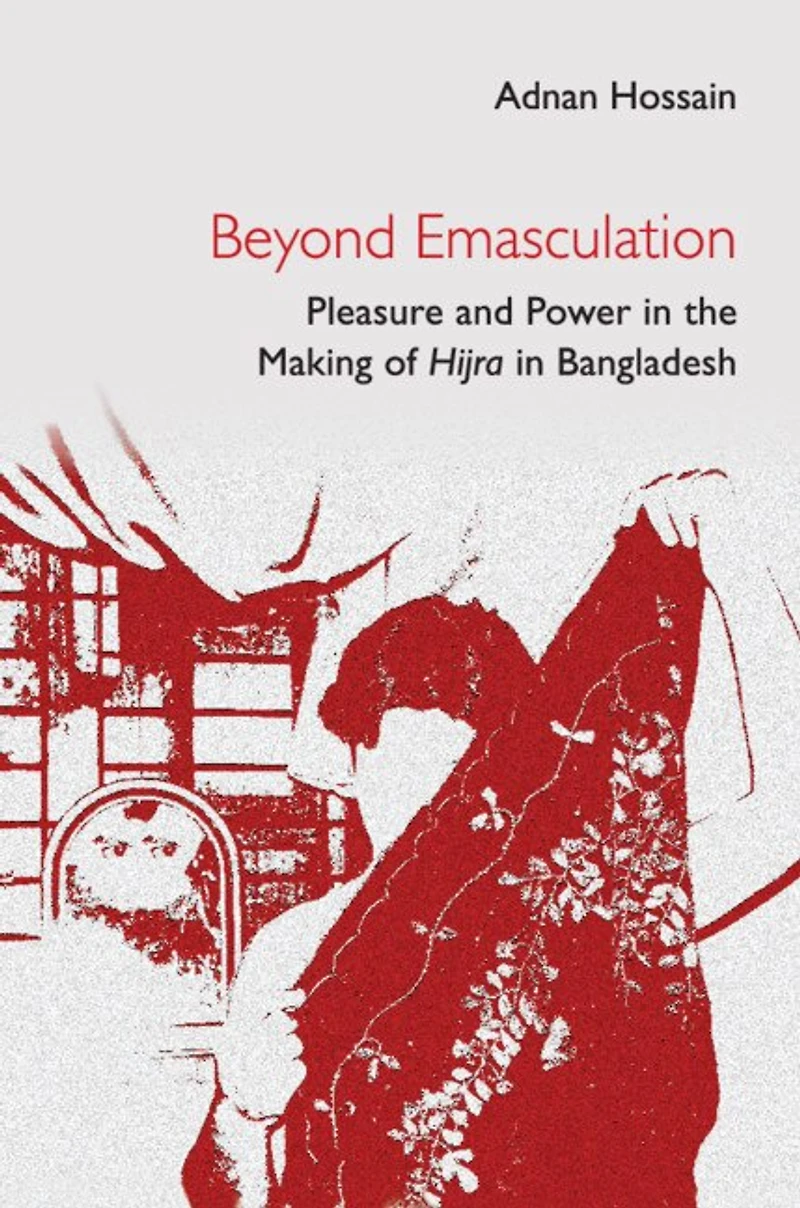
Beyond Emasculation: Pleasure And Power In The Making Of Hijra In Bangladesh in Ottawa, ON
By None
Current price: $140.95

By None
Beyond Emasculation: Pleasure And Power In The Making Of Hijra In Bangladesh in Ottawa, ON
Current price: $140.95
Loading Inventory...
Size: Hardcover
*Product information may vary - to confirm product availability, pricing, shipping and return information please contact Coles
This book is based on long term ethnographic research with hijras, the emblematic figure of South Asian sexual and gender difference in Dhaka, Bangladesh. It proposes the hijra as a counter-cultural formation that embodies not only a direct contrast to hegemonic patterns of masculinity but also as an alternative subculture offering the possibility of varied forms of erotic pleasures and practices otherwise forbidden in mainstream society. While most studies view hijras as an asexual, emasculated, third sex/gender, this book calls into question the phallocentric logic that obscures alternative sites and sources of bodily power and pleasure, emphasizing how hijras craft their own subject position. Ethnographically rich and theoretically engaged, this book will cause a new, global re-examination of both hijras in particular and the wider range of 'male femininities' in general.
This book is based on long term ethnographic research with hijras, the emblematic figure of South Asian sexual and gender difference in Dhaka, Bangladesh. It proposes the hijra as a counter-cultural formation that embodies not only a direct contrast to hegemonic patterns of masculinity but also as an alternative subculture offering the possibility of varied forms of erotic pleasures and practices otherwise forbidden in mainstream society. While most studies view hijras as an asexual, emasculated, third sex/gender, this book calls into question the phallocentric logic that obscures alternative sites and sources of bodily power and pleasure, emphasizing how hijras craft their own subject position. Ethnographically rich and theoretically engaged, this book will cause a new, global re-examination of both hijras in particular and the wider range of 'male femininities' in general.
You May Also Like









More About Coles at Bayshore Shopping Centre
Coles is renowned for its outstanding customer service and great selection of books. Along with the vast array of magazines, stationary, audio-books, children's literature, fiction, non-fiction and reference books, you can find accessories to make your reading experience more pleasurable. We can recommend the very best in reading today. We will help you search our titles for exactly what you need, and if we do not have it in stock, we will order it for you.
100 Bayshore Dr, Nepean, ON K2B 8C1, Canada
Find Coles at Bayshore Shopping Centre in Ottawa, ON
Visit Coles at Bayshore Shopping Centre in Ottawa, ON