

Give the Gift of Choice!
Too many options? Treat your friends and family to their favourite stores with a Bayshore Shopping Centre gift card, redeemable at participating retailers throughout the centre. Click below to purchase yours today!Purchase HereHome
Beyond Federation: Ideas and Practices of East African Regionalism in a National and Global Age, 1950–1975
Coles
Loading Inventory...
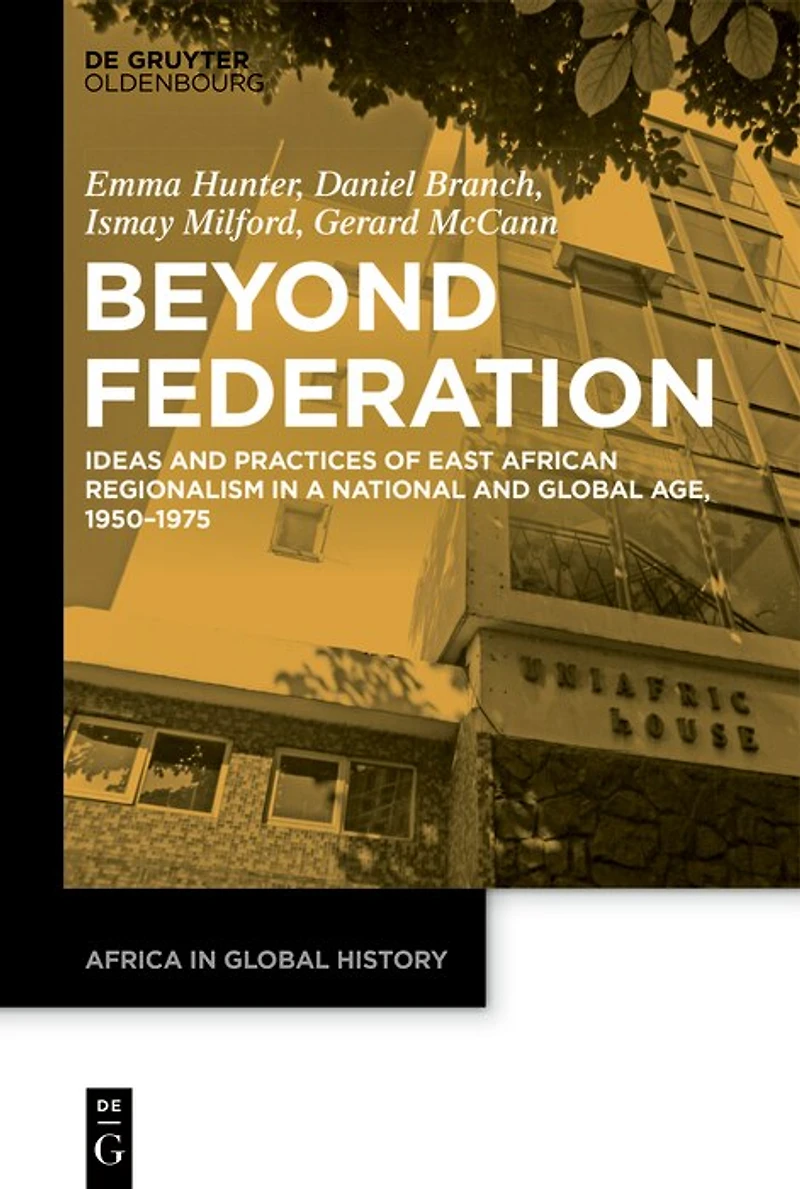
Beyond Federation: Ideas and Practices of East African Regionalism in a National and Global Age, 1950–1975 in Ottawa, ON
Current price: $105.99

Beyond Federation: Ideas and Practices of East African Regionalism in a National and Global Age, 1950–1975 in Ottawa, ON
Current price: $105.99
Loading Inventory...
Size: Hardcover
*Product information may vary - to confirm product availability, pricing, shipping and return information please contact Coles
In the period of mid-twentieth-century decolonization, when nationalism and globalism were hotly contested, East Africans nurtured regionalism in their intellectual and creative work. This book looks beyond political projects of federation to recover ideas and practices of regionalism, their remarkable longevity and their significance for understanding possibilities of radical change. In doing so, it tells a different story about the fate of the category of East Africa, building on a body of scholarship about the imagined political communities of decolonizing Africa, and rejecting narratives that explain the failure of regional integration as the immediate consequence of postcolonial authoritarianism or global economic crisis.
In the period of mid-twentieth-century decolonization, when nationalism and globalism were hotly contested, East Africans nurtured regionalism in their intellectual and creative work. This book looks beyond political projects of federation to recover ideas and practices of regionalism, their remarkable longevity and their significance for understanding possibilities of radical change. In doing so, it tells a different story about the fate of the category of East Africa, building on a body of scholarship about the imagined political communities of decolonizing Africa, and rejecting narratives that explain the failure of regional integration as the immediate consequence of postcolonial authoritarianism or global economic crisis.
You May Also Like













More About Coles at Bayshore Shopping Centre
Coles is renowned for its outstanding customer service and great selection of books. Along with the vast array of magazines, stationary, audio-books, children's literature, fiction, non-fiction and reference books, you can find accessories to make your reading experience more pleasurable. We can recommend the very best in reading today. We will help you search our titles for exactly what you need, and if we do not have it in stock, we will order it for you.
100 Bayshore Dr, Nepean, ON K2B 8C1, Canada
Find Coles at Bayshore Shopping Centre in Ottawa, ON
Visit Coles at Bayshore Shopping Centre in Ottawa, ON