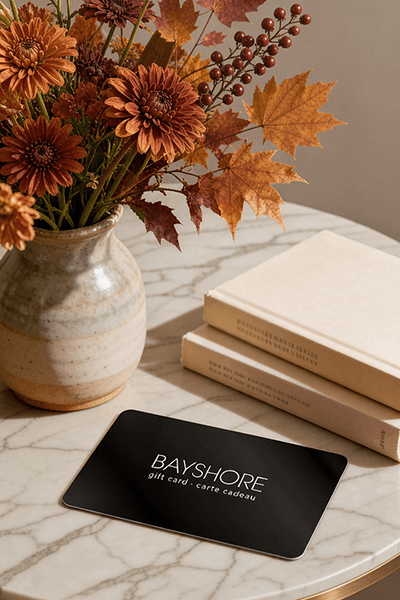
Too many options? Treat your friends and family to their favourite stores with a Bayshore Shopping Centre gift card, redeemable at participating retailers throughout the centre. Click below to purchase yours today!Purchase Here
Coles Beyond Plagiarism: Transforming Pedagogy to Help Students Write with Sources at Bayshore Shopping Centre in Ottawa, ON
*Product information may vary - to confirm product availability, pricing, shipping and return information please contact Coles
When academia treats plagiarism as a right-or-wrong issue, university students are expected to already understand how to avoid this act of academic dishonesty. However, source use is filled with complexities, and student plagiarism is often connected to student struggles with the subtleties of academic writing. Scholarly work that involves incorporation of sources is, in fact, a complex network of processes. Beyond Plagiarism offers a pedagogical approach to plagiarism that is intended to help instructors, administrators, and advisors address plagiarism and mentor students’ understanding of these processes and their development as academic writers and scholars.
Starting with an overview of the complexities underlying plagiarism and source use, the book offers practical tools that teachers can integrate in their classes. These tools include examples of modifications to syllabi; integrating processes into assignment design, classroom support, and feedback and grading; meta-texts to guide student reflection on their use of sources; explanations of why source use is important in academic writing; guiding students through learning how to read for writing, analyze genres to better understand expectations, and practice paraphrasing, summarizing, and quoting in their own assignments; approaching AI tools strategically; and modeling successful strategies for each step of the scholarly process. By taking a pedagogical approach, expert members of the academic community can help students understand how academic writing builds on and incorporates sources; provide support for students to learn to do these things through a process approach; and respond to situations of plagiarism with nuance, compassion, and a growth mindset.
When academia treats plagiarism as a right-or-wrong issue, university students are expected to already understand how to avoid this act of academic dishonesty. However, source use is filled with complexities, and student plagiarism is often connected to student struggles with the subtleties of academic writing. Scholarly work that involves incorporation of sources is, in fact, a complex network of processes. Beyond Plagiarism offers a pedagogical approach to plagiarism that is intended to help instructors, administrators, and advisors address plagiarism and mentor students’ understanding of these processes and their development as academic writers and scholars.
Starting with an overview of the complexities underlying plagiarism and source use, the book offers practical tools that teachers can integrate in their classes. These tools include examples of modifications to syllabi; integrating processes into assignment design, classroom support, and feedback and grading; meta-texts to guide student reflection on their use of sources; explanations of why source use is important in academic writing; guiding students through learning how to read for writing, analyze genres to better understand expectations, and practice paraphrasing, summarizing, and quoting in their own assignments; approaching AI tools strategically; and modeling successful strategies for each step of the scholarly process. By taking a pedagogical approach, expert members of the academic community can help students understand how academic writing builds on and incorporates sources; provide support for students to learn to do these things through a process approach; and respond to situations of plagiarism with nuance, compassion, and a growth mindset.
Coles is renowned for its outstanding customer service and great selection of books. Along with the vast array of magazines, stationary, audio-books, children's literature, fiction, non-fiction and reference books, you can find accessories to make your reading experience more pleasurable. We can recommend the very best in reading today. We will help you search our titles for exactly what you need, and if we do not have it in stock, we will order it for you.