

Give the Gift of Choice!
Too many options? Treat your friends and family to their favourite stores with a Bayshore Shopping Centre gift card, redeemable at participating retailers throughout the centre. Click below to purchase yours today!Purchase HereHome
Bilingual Development in Childhood
Coles
Loading Inventory...
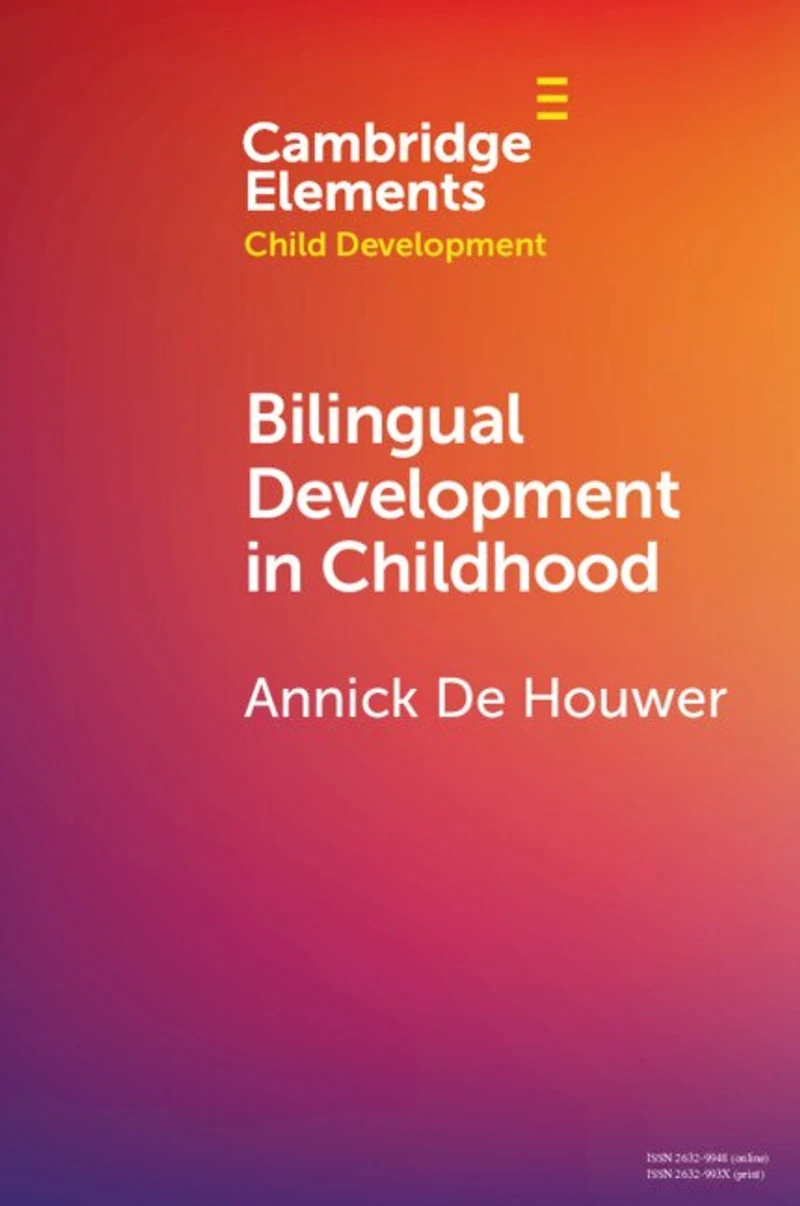
Bilingual Development in Childhood in Ottawa, ON
Current price: $29.54

Bilingual Development in Childhood in Ottawa, ON
Current price: $29.54
Loading Inventory...
Size: Paperback
*Product information may vary - to confirm product availability, pricing, shipping and return information please contact Coles
In the first decade of life, children become bilingual in different language learning environments. Many children start learning two languages from birth (Bilingual First Language Acquisition). In early childhood hitherto monolingual children start hearing a second language through daycare or preschool (Early Second Language Acquisition). Yet other hitherto monolingual children in middle childhood may acquire a second language only after entering school (Second Language Acquisition). This Element explains how these different language learning settings dynamically affect bilingual children's language learning trajectories. All children eventually learn to speak the societal language, but they often do not learn to fluently speak their non-societal language and may even stop speaking it. Children's and families' harmonious bilingualism is threatened if bilingual children do not develop high proficiency in both languages. Educational institutions and parental conversational practices play a pivotal role in supporting harmonious bilingual development.
In the first decade of life, children become bilingual in different language learning environments. Many children start learning two languages from birth (Bilingual First Language Acquisition). In early childhood hitherto monolingual children start hearing a second language through daycare or preschool (Early Second Language Acquisition). Yet other hitherto monolingual children in middle childhood may acquire a second language only after entering school (Second Language Acquisition). This Element explains how these different language learning settings dynamically affect bilingual children's language learning trajectories. All children eventually learn to speak the societal language, but they often do not learn to fluently speak their non-societal language and may even stop speaking it. Children's and families' harmonious bilingualism is threatened if bilingual children do not develop high proficiency in both languages. Educational institutions and parental conversational practices play a pivotal role in supporting harmonious bilingual development.
You May Also Like







More About Coles at Bayshore Shopping Centre
Coles is renowned for its outstanding customer service and great selection of books. Along with the vast array of magazines, stationary, audio-books, children's literature, fiction, non-fiction and reference books, you can find accessories to make your reading experience more pleasurable. We can recommend the very best in reading today. We will help you search our titles for exactly what you need, and if we do not have it in stock, we will order it for you.
100 Bayshore Dr, Nepean, ON K2B 8C1, Canada
Find Coles at Bayshore Shopping Centre in Ottawa, ON
Visit Coles at Bayshore Shopping Centre in Ottawa, ON