

Give the Gift of Choice!
Too many options? Treat your friends and family to their favourite stores with a Bayshore Shopping Centre gift card, redeemable at participating retailers throughout the centre. Click below to purchase yours today!Purchase HereHome
Bioethics after God: Morality, Culture, and Medicine
Coles
Loading Inventory...
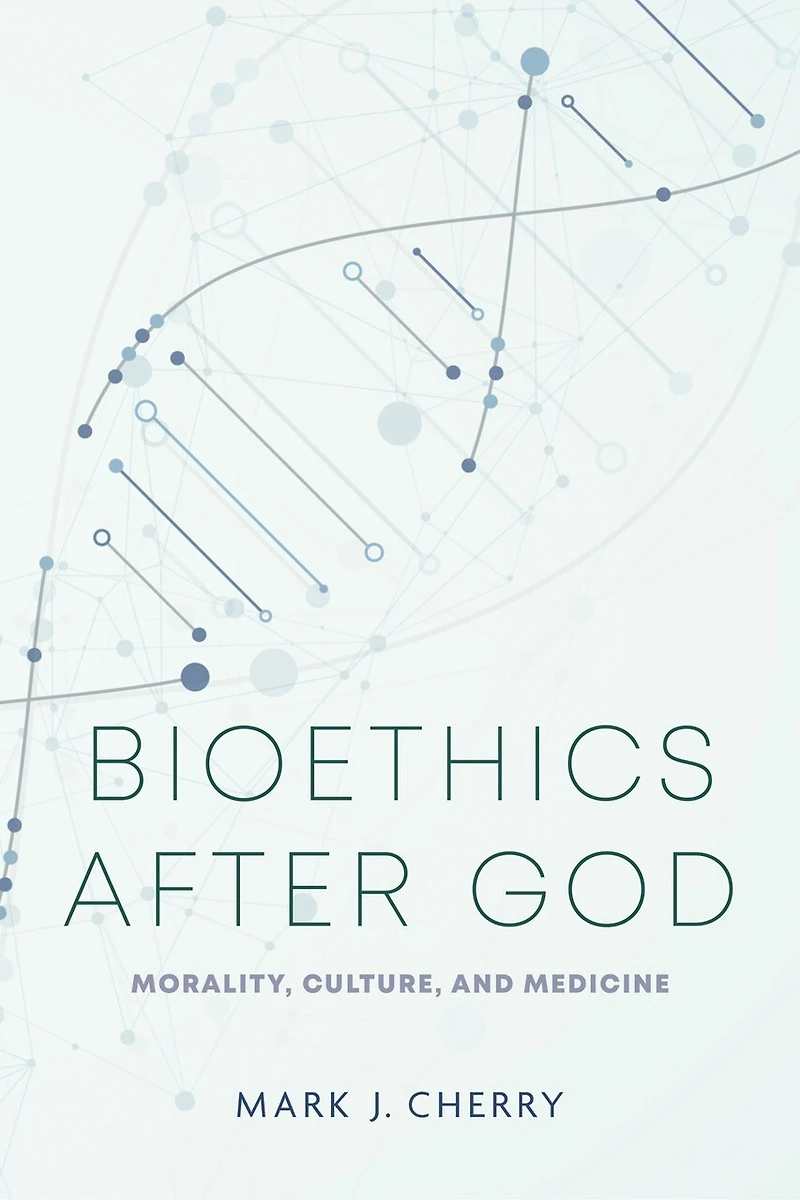
Bioethics after God: Morality, Culture, and Medicine in Ottawa, ON
By None
Current price: $74.95

By None
Bioethics after God: Morality, Culture, and Medicine in Ottawa, ON
Current price: $74.95
Loading Inventory...
Size: Hardcover
*Product information may vary - to confirm product availability, pricing, shipping and return information please contact Coles
Bioethics after God explores the relationship between morality and medicine in a society that has denied the existence of God. Medicine and bioethics are going through profound changes in the Western world. Practices that prior generations would have recognized as morally impermissible, such as abortion, eugenics, and euthanasia, are becoming central components of modern health care. Bioethics after God argues that in the process of rejecting its Christian roots, the Western world has upended traditional understandings of truth that are central to both scientific and moral judgment. The effect is felt throughout medicine as health care professionals increasingly work without the context and guidance provided by traditional Christian ethics. Cherry uses the conceptual framework of “weak bioethics”—bioethics solely informed by the stark limits of secular morality—to delve into shifting concepts of health and disease, the active embrace of ethically fraught practices, and technological developments such as brain transplantation and humanoid robots designed for sexual activity. The implications of a bioethics after God are wide-ranging and profound, and Cherry challenges us to consider the repercussions of pushing forward in medicine without the support of a solid ethical foundation.
Bioethics after God explores the relationship between morality and medicine in a society that has denied the existence of God. Medicine and bioethics are going through profound changes in the Western world. Practices that prior generations would have recognized as morally impermissible, such as abortion, eugenics, and euthanasia, are becoming central components of modern health care. Bioethics after God argues that in the process of rejecting its Christian roots, the Western world has upended traditional understandings of truth that are central to both scientific and moral judgment. The effect is felt throughout medicine as health care professionals increasingly work without the context and guidance provided by traditional Christian ethics. Cherry uses the conceptual framework of “weak bioethics”—bioethics solely informed by the stark limits of secular morality—to delve into shifting concepts of health and disease, the active embrace of ethically fraught practices, and technological developments such as brain transplantation and humanoid robots designed for sexual activity. The implications of a bioethics after God are wide-ranging and profound, and Cherry challenges us to consider the repercussions of pushing forward in medicine without the support of a solid ethical foundation.
You May Also Like
















More About Coles at Bayshore Shopping Centre
Coles is renowned for its outstanding customer service and great selection of books. Along with the vast array of magazines, stationary, audio-books, children's literature, fiction, non-fiction and reference books, you can find accessories to make your reading experience more pleasurable. We can recommend the very best in reading today. We will help you search our titles for exactly what you need, and if we do not have it in stock, we will order it for you.
100 Bayshore Dr, Nepean, ON K2B 8C1, Canada
Find Coles at Bayshore Shopping Centre in Ottawa, ON
Visit Coles at Bayshore Shopping Centre in Ottawa, ON